How to Design a Home Workout Routine with Minimal Equipment
 By Aditi Sharma |
 2 min read
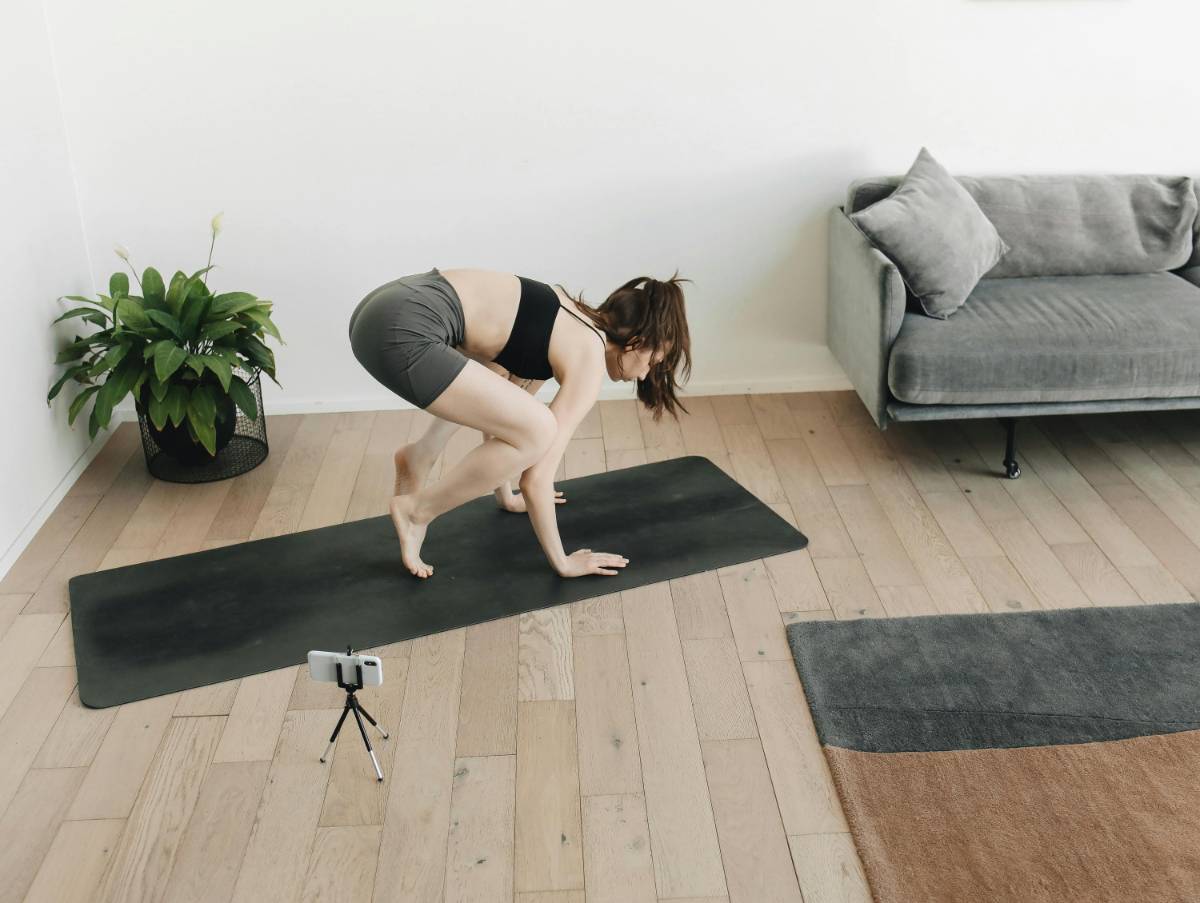
|10 Apr 2025Designing an effective home workout routine with minimal equipment can be both practical and rewarding. With the right approach, you can achieve a balanced and efficient workout without the need for a fully equipped gym. This guide will help you create a home workout routine that maximizes your results using limited equipment.

Understanding Your Fitness Goals
Before designing your workout routine, identify your fitness goals. Whether you aim to build muscle, improve cardiovascular fitness, or enhance flexibility, understanding your goals will guide your exercise selection and routine structure.
Choosing the Right Equipment
Minimal equipment can still offer a wide range of exercises. Consider investing in the following versatile pieces of equipment:

1. Resistance Bands
Resistance bands are affordable, portable, and offer various levels of resistance. They can be used for strength training exercises, including squats, lunges, and shoulder presses.
2. Dumbbells

Dumbbells are excellent for strength training and come in various weights. They can be used for exercises such as bicep curls, tricep extensions, and chest presses.
3. Exercise Mat

An exercise mat provides cushioning and support for floor-based exercises, including yoga and bodyweight movements.
4. Stability Ball
A stability ball can enhance core workouts and improve balance. It can be used for exercises like ball squats, stability ball rollouts, and seated marches.

Designing Your Routine
Create a balanced workout routine by incorporating the following elements:

1. Warm-Up
Start with a 5-10 minute warm-up to prepare your body for exercise and reduce the risk of injury. Activities such as light jogging, jumping jacks, or dynamic stretches are effective for warming up.
2. Strength Training
Include bodyweight exercises and resistance band or dumbbell exercises to build strength. Examples include:
Push-Ups

Push-ups target the chest, shoulders, and triceps. Modify them as needed (e.g., incline or knee push-ups) to match your fitness level.
Squats
Squats engage the quadriceps, hamstrings, and glutes. Add resistance with dumbbells or resistance bands for added challenge.
Rows
Resistance bands or dumbbells can be used for rows to target the back muscles. Perform bent-over rows or single-arm rows.
Lunges
Lunges work the lower body and can be performed with or without added resistance. Incorporate forward, reverse, or side lunges.
3. Cardiovascular Exercise
Incorporate cardio exercises to improve heart health and burn calories. Options include:
High Knees
High knees are a simple yet effective cardio exercise that can be performed in place.
Burpees
Burpees are a full-body exercise that combines cardio and strength training.
Jump Rope
If space allows, jumping rope is an excellent way to elevate your heart rate and improve coordination.
4. Flexibility and Cool-Down
Finish your workout with a cool-down to relax your muscles and improve flexibility. Spend 5-10 minutes stretching major muscle groups, focusing on areas that may have been worked intensely.
Sample Routine
Here is a sample routine for a full-body workout using minimal equipment:
Warm-Up:
5 minutes of light jogging or jumping jacks
Strength Training:
Push-Ups: 3 sets of 10-15 reps
Squats: 3 sets of 12-15 reps
Rows (using resistance bands or dumbbells): 3 sets of 10-12 reps
Lunges: 3 sets of 10-12 reps per leg
Cardio:
High Knees: 2 minutes
Burpees: 2 minutes
Flexibility and Cool-Down:
5-10 minutes of stretching (focusing on major muscle groups)
Tips for Success
1. Stay Consistent: Consistency is key to seeing results. Aim to perform your workout routine 3-4 times per week.
2. Listen to Your Body: Adjust exercises and intensity based on your fitness level and any physical limitations.
3. Track Your Progress: Keep a workout log to monitor your progress and make adjustments as needed.
4. Stay Hydrated and Eat Well: Proper hydration and nutrition support your fitness goals and overall health.
By designing a well-rounded home workout routine with minimal equipment, you can achieve your fitness goals efficiently and effectively. Focus on incorporating a variety of exercises, maintaining consistency, and supporting your workouts with good nutrition and hydration for the best results.
Trending Around the Web
About the Author
Aditi Sharma
Aditi Sharma is a passionate health and wellness advocate, with a deep understanding of the challenges modern parents face. With a focus on holistic well-being, Aditi Sharma aims to empower mothers and families with practical tips, science-backed advice, and inspiring stories to promote a healthy lifestyle. Whether it's nutrition, fitness, mental health, or parenting, Aditi Sharma is committed to making health and wellness approachable and accessible for every SuperMoomy reader.
MORE ARTICLES

2 min read | 26 Feb 2025
The Benefits of Omega-3 Fatty Acids
Omega-3 fatty acids are essential fats that play a crucial role in maintaining overall health. Unlike some fats that can be harmful to the body, omega-3s offer a wide range of benefits, from supporting heart health to improving brain function. In this article, we’ll explore the many advantages of incorporating omega-3 fatty acids into your diet and how they contribute to a healthier lifestyle.

4 min read | 25 Feb 2025
Understanding Healthy Fats: Monounsaturated and Polyunsaturated
Fats are an essential part of a healthy diet, but not all fats are created equal. While some fats can be harmful to your health, others are incredibly beneficial. Two types of healthy fats that play a crucial role in maintaining overall health are monounsaturated fats (MUFAs) and polyunsaturated fats (PUFAs). In this article, we’ll explore the importance of these healthy fats, their sources, and how to incorporate them into your diet.

2 min read | 24 Feb 2025
Tips for Incorporating More Fiber into Every Meal
Incorporating more fiber into your daily diet is one of the simplest yet most impactful ways to improve your overall health. Fiber plays a crucial role in digestive health, helps regulate blood sugar levels, lowers cholesterol, and can even aid in weight management. Despite its importance, many people struggle to consume enough fiber each day. In this article, we’ll explore practical tips for increasing your fiber intake at every meal, making it easier to reap the benefits of this essential nutrient.
4 min read | 23 Feb 2025
Fiber and Heart Health: What You Need to Know
Fiber is often celebrated for its benefits to digestive health, but its impact on heart health is equally significant. A diet rich in fiber can contribute to reducing the risk of heart disease, managing cholesterol levels, and maintaining overall cardiovascular health. In this article, we’ll explore how fiber supports heart health, the types of fiber that are most beneficial, and practical ways to incorporate more fiber into your diet.
2 min read | 22 Feb 2025
How Fiber Affects Satiety and Weight Management
Fiber is an essential component of a healthy diet, renowned for its benefits to digestive health, heart health, and blood sugar control. One of its most significant roles, however, is its ability to promote feelings of fullness, or satiety, which can be a powerful tool in weight management. In this article, we’ll explore how fiber affects satiety, the mechanisms behind this effect, and how it can support your weight management goals.

5 min read | 21 Feb 2025
Soluble vs. Insoluble Fiber: What’s the Difference?
Fiber is an essential component of a healthy diet, known for its numerous benefits, including improved digestion, heart health, and blood sugar control. However, not all fiber is the same. It can be categorized into two main types: soluble and insoluble fiber. Each type plays a unique role in the body, offering distinct health benefits. In this article, we’ll explore the differences between soluble and insoluble fiber, their sources, and how to incorporate both into your diet for optimal health.
RECENT POSTS
1
The Importance of Cleansing Your Face Before Bed
3 min read | 21 Jan 20252
Anti-Aging Skincare Tips for a Youthful Glow
3 min read | 20 Jan 20253
Natural Remedies for Acne-Prone Skin
3 min read | 19 Jan 20254
How to Create an Effective Skincare Routine
4 min read | 18 Jan 20255
Choosing the Right Moisturizer for Your Skin Type
4 min read | 17 Jan 20256
Benefits of Using Sunscreen Daily
5 min read | 16 Jan 2025MORE POSTS
The Role of Protein Supplements in Weight Loss
4 min read | 08 Mar 2025
Popular Weight Loss Supplements: What You Need to Know
5 min read | 07 Mar 2025
Understanding the Link Between Water and Metabolism
4 min read | 06 Mar 2025
How to Increase Water Intake Throughout the Day
4 min read | 05 Mar 2025
The Impact of Caffeinated and Sugary Drinks on Hydration
6 min read | 04 Mar 2025