The Benefits of Omega-3 Fatty Acids

 By Wilson Baker |
 2 min read
|26 Feb 2025Omega-3 fatty acids are essential fats that play a crucial role in maintaining overall health. Unlike some fats that can be harmful to the body, omega-3s offer a wide range of benefits, from supporting heart health to improving brain function. In this article, we’ll explore the many advantages of incorporating omega-3 fatty acids into your diet and how they contribute to a healthier lifestyle.

What Are Omega-3 Fatty Acids?
Omega-3 fatty acids are a type of polyunsaturated fat that the body cannot produce on its own. This means they must be obtained through diet or supplements. The three main types of omega-3s are alpha-linolenic acid (ALA), eicosapentaenoic acid (EPA), and docosahexaenoic acid (DHA). Each type plays a unique role in supporting various bodily functions.
Health Benefits of Omega-3 Fatty Acids
Omega-3 fatty acids offer numerous health benefits that are backed by scientific research. Some of the key advantages include:

Promotes Heart Health: Omega-3s are well-known for their heart-protective properties. They help reduce triglyceride levels, lower blood pressure, and prevent the formation of dangerous blood clots. These effects contribute to a reduced risk of heart disease and stroke.
Supports Brain Function: DHA, a type of omega-3, is a major structural component of the brain. It supports cognitive function, memory, and overall mental well-being. Adequate DHA levels are crucial for brain development in infants and maintaining cognitive function as we age.
Reduces Inflammation: Chronic inflammation is linked to a variety of diseases, including heart disease, arthritis, and cancer. Omega-3s have powerful anti-inflammatory properties that help reduce inflammation throughout the body, lowering the risk of chronic conditions.

Supports Eye Health: DHA is also a major component of the retina, the part of the eye responsible for vision. Omega-3s help protect against age-related macular degeneration (AMD) and dry eye syndrome, supporting overall eye health.
Promotes Healthy Skin: Omega-3 fatty acids help maintain the skin’s natural barrier, keeping it hydrated and reducing the risk of inflammation-related skin conditions such as eczema and psoriasis. They also contribute to a youthful appearance by preventing premature aging.

Improves Mental Health: Research has shown that omega-3s can have a positive impact on mental health conditions such as depression and anxiety. EPA, in particular, has been found to reduce symptoms of depression, providing a natural way to support emotional well-being.
Supports Pregnancy and Early Life: Omega-3s are crucial for fetal brain development during pregnancy and early childhood. They contribute to the development of the nervous system and may reduce the risk of developmental disorders.
Helps Manage Weight: Some studies suggest that omega-3s can aid in weight management by improving metabolism and reducing appetite. This can be particularly beneficial for individuals looking to lose or maintain weight.

Sources of Omega-3 Fatty Acids
Incorporating omega-3 fatty acids into your diet is essential for reaping their benefits. Some of the best sources of omega-3s include:
Fatty Fish: Salmon, mackerel, sardines, and trout are rich in EPA and DHA, the most beneficial forms of omega-3s. Aim to include fatty fish in your diet at least twice a week.
Flaxseeds and Chia Seeds: These plant-based sources are high in ALA, a precursor to EPA and DHA. Add them to smoothies, cereals, or baked goods to boost your omega-3 intake.
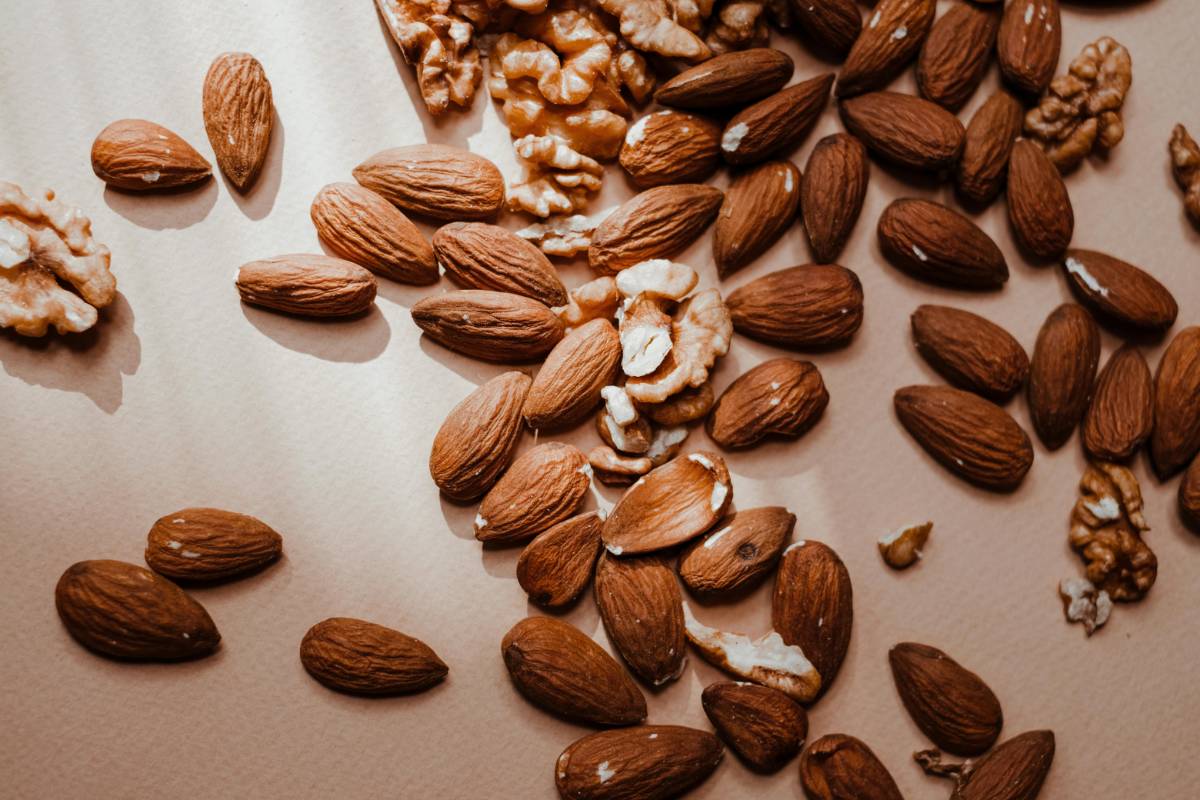
Walnuts: Walnuts are another plant-based source of ALA and can be enjoyed as a snack or added to salads and dishes for extra crunch and nutrition.
Algae Oil: Algae oil is a vegetarian source of DHA and is an excellent option for those who do not consume fish. It is available in supplement form and can be used as a daily omega-3 boost.
Omega-3 Supplements: For individuals who may not get enough omega-3s through diet alone, supplements such as fish oil, krill oil, or algae oil can be an effective way to ensure adequate intake. Consult with a healthcare professional before starting any supplement regimen.

Balancing Omega-3 and Omega-6 Fatty Acids
It’s important to maintain a balance between omega-3 and omega-6 fatty acids in your diet. While omega-6s are also essential, they are more abundant in the typical Western diet, often leading to an imbalance. This imbalance can promote inflammation and counteract the benefits of omega-3s. To achieve a healthier balance:
Reduce Processed Foods: Processed and fried foods are often high in omega-6 fatty acids. Limiting these foods can help reduce your omega-6 intake.
Focus on Whole Foods: Incorporate more whole foods, such as fruits, vegetables, nuts, seeds, and fatty fish, into your diet. These foods are naturally higher in omega-3s and lower in omega-6s.
Consider Omega-3 Supplements: If you have difficulty balancing your intake through diet alone, omega-3 supplements can help correct the imbalance and support overall health.
Conclusion
Omega-3 fatty acids are an essential component of a healthy diet, offering a wide range of benefits from heart health to cognitive function. By incorporating omega-3-rich foods such as fatty fish, flaxseeds, and walnuts into your diet, you can support your body’s vital functions and reduce the risk of chronic diseases. Whether through diet or supplementation, ensuring an adequate intake of omega-3s is a simple yet powerful way to improve your overall health and well-being.
Trending Around the Web
About the Author
Wilson Baker
Wilson Baker is a passionate health and wellness advocate, with a deep understanding of the challenges modern parents face. With a focus on holistic well-being, Wilson Baker aims to empower mothers and families with practical tips, science-backed advice, and inspiring stories to promote a healthy lifestyle. Whether it's nutrition, fitness, mental health, or parenting, Wilson Baker is committed to making health and wellness approachable and accessible for every SuperMoomy reader.
MORE ARTICLES

3 min read | 11 Apr 2025
Top 10 Healthy Eating Habits for Weight Loss and Fitness
Adopting healthy eating habits is crucial for achieving weight loss and fitness goals. A well-balanced diet not only supports weight management but also enhances overall health and performance. Here are the top 10 healthy eating habits to help you stay on track with your weight loss and fitness journey.

4 min read | 10 Apr 2025
How to Develop a Balanced Diet to Complement Your Exercise Routine
Developing a balanced diet that complements your exercise routine is essential for achieving optimal fitness results. A well-rounded diet provides the necessary nutrients to fuel your workouts, enhance recovery, and support overall health. Here’s a guide to help you create a balanced diet that works in harmony with your exercise regimen.

3 min read | 09 Apr 2025
Daily Personal Care Habits That Boost Your Workout Performance
Incorporating daily personal care habits into your routine can significantly enhance your workout performance and overall fitness. By focusing on habits that support your body and mind, you can improve your exercise efficiency, boost recovery, and achieve better results. Here are some essential daily personal care habits that can elevate your workout performance.

2 min read | 08 Apr 2025
The Role of Nutrition in Supporting Your Weight Loss Goals
Nutrition plays a pivotal role in supporting and achieving weight loss goals. Understanding how different nutrients affect your body can help you make better dietary choices and optimize your weight loss journey. Here’s an overview of how nutrition impacts weight loss and how to incorporate it effectively into your plan.

3 min read | 07 Apr 2025
Personal Care Tips to Enhance Your Fitness Routine
Incorporating personal care into your fitness routine can greatly enhance your overall well-being and performance. Taking care of yourself beyond just your workouts can lead to better results, improved recovery, and a more balanced approach to fitness. Here are some essential personal care tips to complement and enhance your fitness journey.

3 min read | 06 Apr 2025
How to Combine Healthy Eating and Effective Workouts for Optimal Results
Achieving optimal results from your fitness routine involves more than just hitting the gym or following a structured workout plan. Combining healthy eating with effective workouts is essential for maximizing performance, enhancing recovery, and achieving your fitness goals. Here’s how to integrate these two crucial components to get the best results from your efforts.
RECENT POSTS
1
How to Care for Your Beard
3 min read | 13 Mar 20252
Benefits of Using a Shaving Brush
5 min read | 12 Mar 20253
How to Choose the Right Razor for Your Skin
2 min read | 11 Mar 20254
Tips for Preventing Razor Burn
2 min read | 10 Mar 20255
The Importance of Using Aftershave Lotion
3 min read | 09 Mar 20256
How to Achieve a Smooth Shave Every Time
5 min read | 08 Mar 2025MORE POSTS

Tips for Incorporating More Fiber into Every Meal
2 min read | 24 Feb 2025
Fiber and Heart Health: What You Need to Know
4 min read | 23 Feb 2025
How Fiber Affects Satiety and Weight Management
2 min read | 22 Feb 2025
Soluble vs. Insoluble Fiber: What’s the Difference?
5 min read | 21 Feb 2025
The Role of Fiber in Managing Blood Sugar Levels
4 min read | 20 Feb 2025