Choosing the Right Moisturizer for Your Skin Type
 By Wilson Baker |
 4 min read
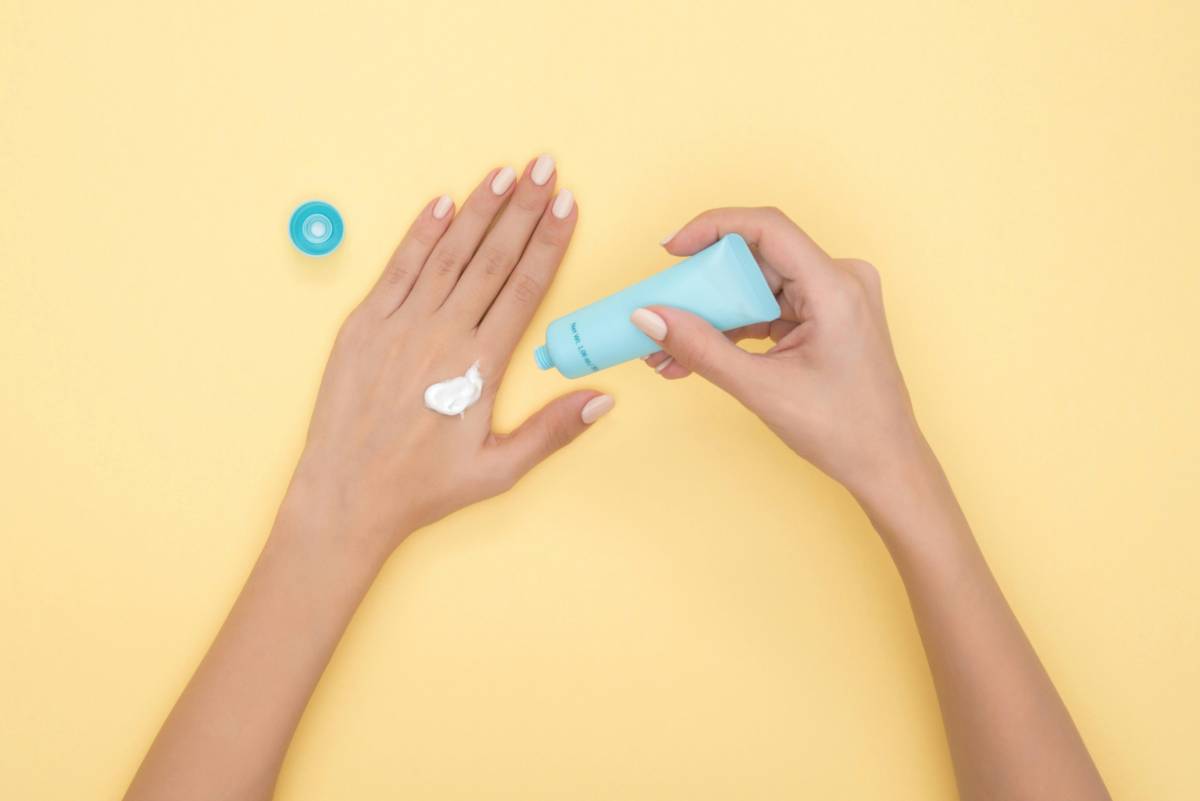
|17 Jan 2025Selecting the right moisturizer can make a significant difference in your skincare routine, as it helps keep your skin hydrated, balanced, and healthy. However, with the myriad of options available, choosing the right one for your specific skin type can be overwhelming. In this article, we’ll guide you through how to select the best moisturizer tailored to your skin type, ensuring that you achieve optimal results.

Understanding Your Skin Type
Before choosing a moisturizer, it's crucial to identify your skin type. Here are the most common skin types and their characteristics:
Normal Skin: This type of skin is well-balanced, not too oily or dry. It has a smooth texture with minimal visible pores and is less prone to breakouts or sensitivity.
Dry Skin: Dry skin often feels tight, rough, or flaky. It may show signs of redness or irritation and can be prone to fine lines and wrinkles.

Oily Skin: Oily skin appears shiny, particularly in the T-zone (forehead, nose, and chin). It can be prone to acne and enlarged pores.
Combination Skin: Combination skin exhibits characteristics of more than one skin type. For example, you might have an oily T-zone while the rest of your face feels dry or normal.
Sensitive Skin: Sensitive skin is prone to redness, irritation, and reactions to various products. It can be caused by environmental factors or skincare products.

Choosing the Right Moisturizer
Once you understand your skin type, you can select a moisturizer that addresses your specific needs. Here’s a breakdown of the best moisturizers for each skin type:

Normal Skin: For normal skin, look for lightweight, non-greasy moisturizers that provide hydration without making the skin feel oily. Gel-based or water-based formulas work well, offering a balanced level of moisture.
Dry Skin: Opt for rich, emollient moisturizers that provide intense hydration. Ingredients such as hyaluronic acid, glycerin, and ceramides are excellent for dry skin as they help retain moisture and restore the skin’s barrier.
Oily Skin: Choose oil-free or non-comedogenic moisturizers to prevent clogging pores and exacerbating oiliness. Gel-based or matte finish moisturizers are ideal as they hydrate without adding extra shine.

Combination Skin: Look for a balanced moisturizer that caters to both oily and dry areas. A lightweight formula with hydrating yet non-greasy ingredients can help maintain equilibrium across different skin zones.
Sensitive Skin: Sensitive skin requires gentle, fragrance-free moisturizers with soothing ingredients like aloe vera, chamomile, or oat extract. Avoid products with harsh chemicals or allergens that could trigger irritation.

Application Tips
No matter your skin type, proper application of moisturizer is essential. Follow these tips to maximize the benefits of your chosen product:
Cleanse First: Always start with a clean face. Use a gentle cleanser suited to your skin type to remove impurities and prepare your skin for better absorption of the moisturizer.
Apply While Damp: For optimal hydration, apply your moisturizer while your skin is still slightly damp from cleansing. This helps lock in moisture and enhance the product's effectiveness.
Use the Right Amount: Apply a pea-sized amount of moisturizer to your face and neck. Using too much can lead to excess oil or product buildup, while too little may not provide adequate hydration.

Don’t Forget Sunscreen: If your moisturizer doesn’t include SPF, be sure to apply a separate sunscreen as the final step in your morning routine to protect your skin from UV damage.
Adjust with Seasons: Your skin’s needs can change with the seasons. In winter, you might need a richer moisturizer to combat dryness, while in summer, a lighter formula may be more suitable to avoid feeling greasy.
Choosing the right moisturizer tailored to your skin type is key to achieving healthy, hydrated skin. By understanding your skin’s unique needs and selecting a product that meets those needs, you can enhance your skincare routine and maintain a radiant complexion. Remember to consider your skin’s condition and any changes throughout the year to ensure you always use the most appropriate moisturizer for your skin type.
Trending Around the Web
About the Author
Wilson Baker
Wilson Baker is a passionate health and wellness advocate, with a deep understanding of the challenges modern parents face. With a focus on holistic well-being, Wilson Baker aims to empower mothers and families with practical tips, science-backed advice, and inspiring stories to promote a healthy lifestyle. Whether it's nutrition, fitness, mental health, or parenting, Wilson Baker is committed to making health and wellness approachable and accessible for every SuperMoomy reader.
MORE ARTICLES

5 min read | 06 Feb 2025
Cooking with Whole Foods: Easy Recipes to Get Started
Cooking with whole foods can transform your meals into nourishing and flavorful experiences. Whole foods are minimally processed and packed with essential nutrients, making them an excellent choice for maintaining a healthy diet. If you're new to cooking with whole foods, starting with simple recipes can make the transition smoother. In this article, we'll explore easy and delicious recipes that highlight the benefits of whole foods and provide a great foundation for your culinary journey.
4 min read | 05 Feb 2025
How to Transition to a Whole Foods Diet
Transitioning to a whole foods diet can be a transformative journey towards better health and well-being. Whole foods are minimally processed and retain most of their natural nutrients, offering numerous benefits such as improved digestion, better energy levels, and a reduced risk of chronic diseases. However, making this shift can be challenging if you're accustomed to a diet high in processed foods. This article provides a step-by-step guide on how to transition smoothly to a whole foods diet and maintain it long-term.

5 min read | 04 Feb 2025
Benefits of Eating Whole Foods for Your Health
Eating a diet rich in whole foods is one of the most effective ways to improve overall health and well-being. Whole foods are minimally processed and free from artificial additives, preservatives, and unhealthy fats, making them an excellent choice for maintaining good health. In this article, we will explore the numerous benefits of incorporating whole foods into your diet and how they can positively impact various aspects of your health.
4 min read | 03 Feb 2025
Whole Grains vs. Refined Grains: What’s the Difference?
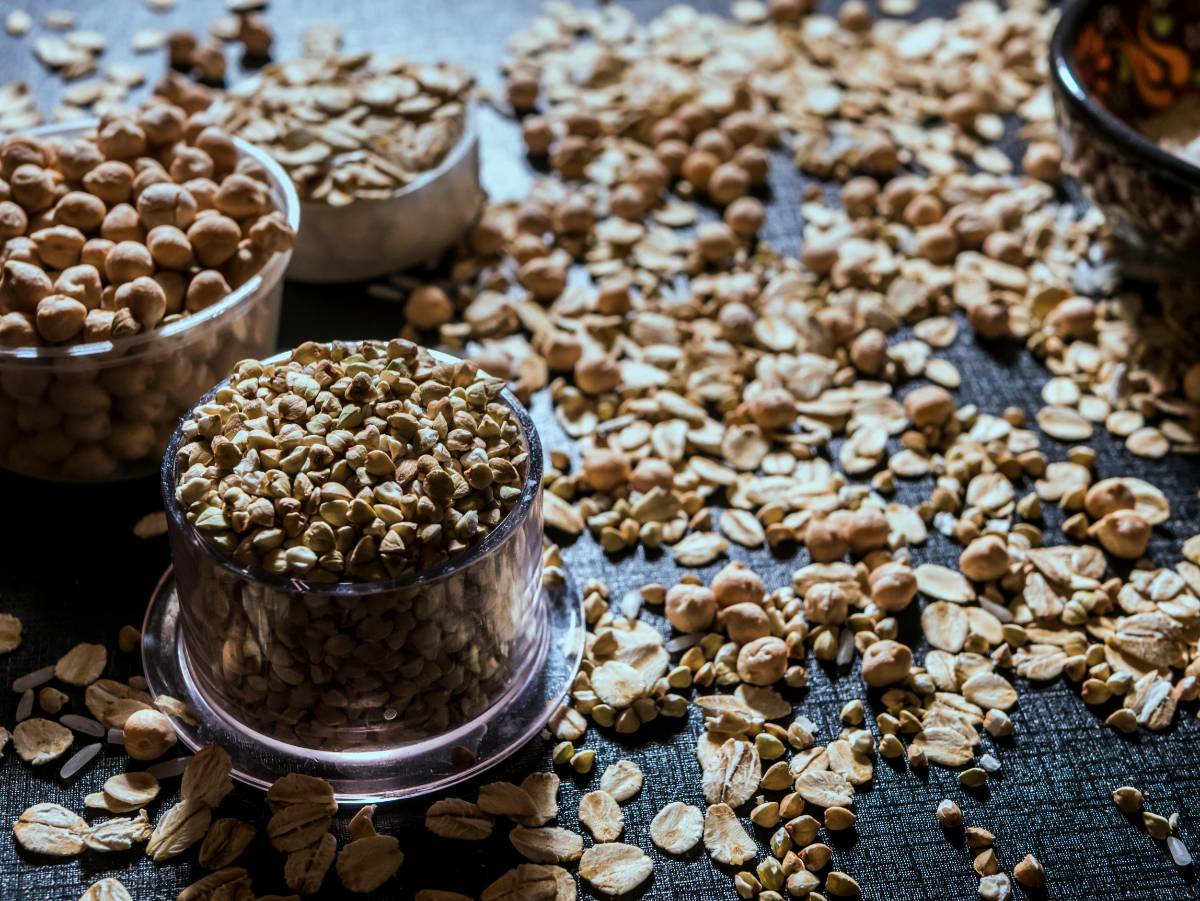
Grains are a fundamental part of many diets around the world, providing a significant source of energy and essential nutrients. However, not all grains are created equal. Whole grains and refined grains differ significantly in their nutritional value and health benefits. Understanding these differences can help you make more informed dietary choices. In this article, we will explore what whole grains and refined grains are, their differences, and the impact they have on your health.
5 min read | 02 Feb 2025
Incorporating More Fruits and Vegetables into Your Diet
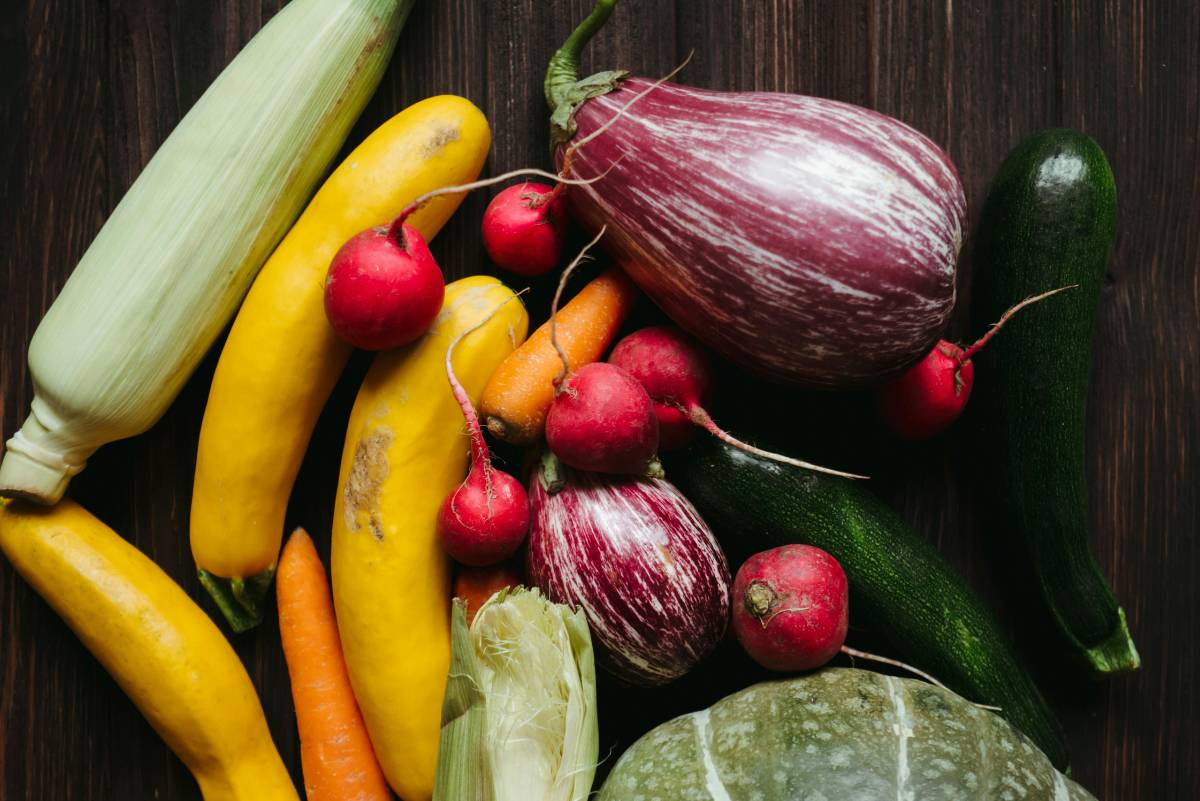
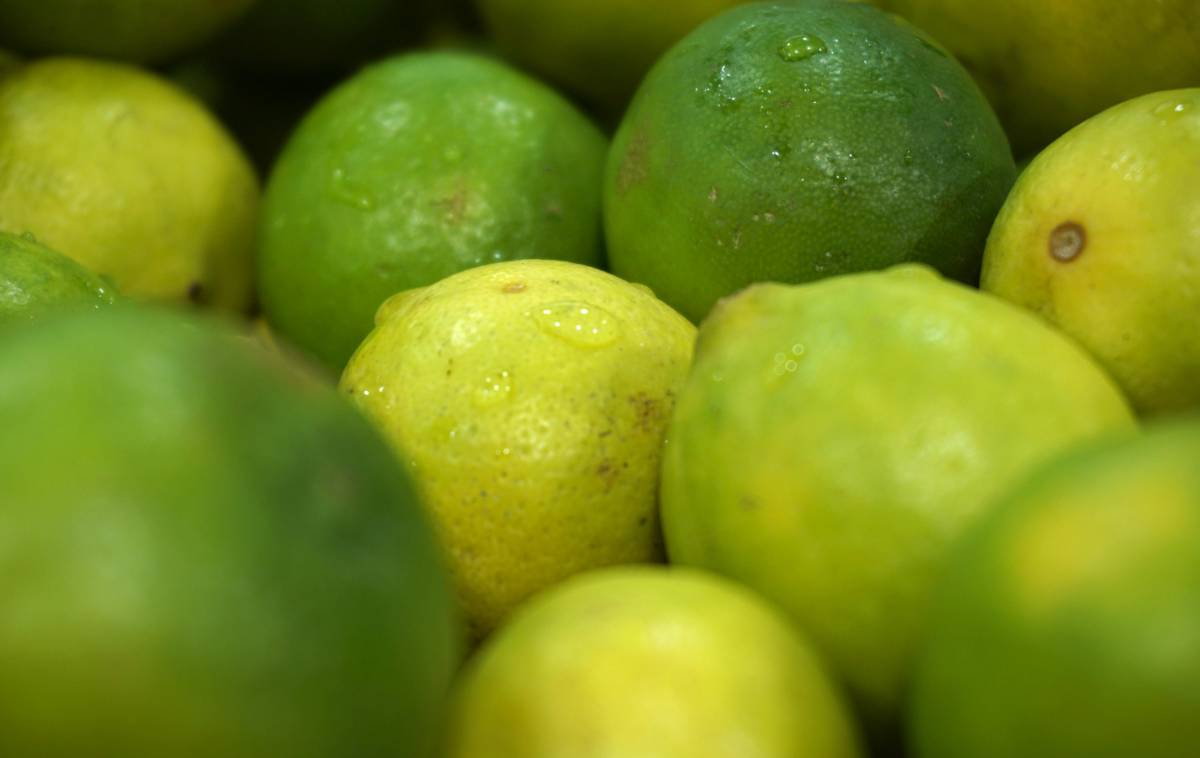
Eating more fruits and vegetables is essential for maintaining a healthy diet and overall well-being. They are packed with essential nutrients, vitamins, minerals, and fiber that support various bodily functions and can help prevent chronic diseases. This article will provide you with practical tips and strategies to increase your fruit and vegetable intake and make them a more prominent part of your diet.
5 min read | 01 Feb 2025
What Are Whole Foods and Why Are They Important?
Whole foods are foods that are minimally processed and free from artificial additives, preservatives, and refined ingredients. They are typically close to their natural state, which means they retain most of their nutrients and beneficial properties. In this article, we will explore what whole foods are, their importance in a balanced diet, and how incorporating them into your meals can benefit your overall health.
RECENT POSTS
1
The Importance of Cleansing Your Face Before Bed
3 min read | 21 Jan 20252
Anti-Aging Skincare Tips for a Youthful Glow
3 min read | 20 Jan 20253
Natural Remedies for Acne-Prone Skin
3 min read | 19 Jan 20254
How to Create an Effective Skincare Routine
4 min read | 18 Jan 20255
Choosing the Right Moisturizer for Your Skin Type
4 min read | 17 Jan 20256
Benefits of Using Sunscreen Daily
5 min read | 16 Jan 2025MORE POSTS

The Connection Between Healthy Eating and Mental Health
4 min read | 15 Apr 2025
Healthy Snack Alternatives to Curb Your Cravings
3 min read | 14 Apr 2025
How to Eat Healthy While Dining Out
2 min read | 13 Apr 2025
The Importance of Hydration in Your Diet
4 min read | 12 Apr 2025
Debunking Common Myths About Healthy Eating
2 min read | 11 Apr 2025