How to Transition to a Whole Foods Diet
 By Aditi Sharma |
 4 min read
|05 Feb 2025Transitioning to a whole foods diet can be a transformative journey towards better health and well-being. Whole foods are minimally processed and retain most of their natural nutrients, offering numerous benefits such as improved digestion, better energy levels, and a reduced risk of chronic diseases. However, making this shift can be challenging if you're accustomed to a diet high in processed foods. This article provides a step-by-step guide on how to transition smoothly to a whole foods diet and maintain it long-term.

Understanding Whole Foods
Whole foods are foods that are as close to their natural state as possible. This includes fresh fruits and vegetables, whole grains, lean proteins, nuts, seeds, and legumes. Unlike processed foods, whole foods do not contain artificial additives, refined sugars, or unhealthy fats. They provide a rich array of nutrients, including vitamins, minerals, fiber, and antioxidants.
Steps to Transition to a Whole Foods Diet
Start Slowly

Rather than overhauling your entire diet overnight, start by making gradual changes. Begin by incorporating more whole foods into your meals while slowly reducing processed foods. For example, you could start with one or two meals a week that focus on whole foods and gradually increase this number over time.
Plan Your Meals
Meal planning is crucial when transitioning to a whole foods diet. Plan your weekly meals and snacks to ensure you have a balanced intake of fruits, vegetables, whole grains, and proteins. Create a shopping list that includes a variety of whole foods and avoid buying processed items that can be tempting.

Educate Yourself
Understanding the nutritional benefits of whole foods can motivate you to make better choices. Learn about the different types of whole foods and their health benefits. Familiarize yourself with recipes that feature whole ingredients and explore cooking methods that retain the nutrients in your food.

Swap Refined Ingredients
Replace refined ingredients with whole food alternatives in your recipes. For example, use whole grain flour instead of white flour, brown rice instead of white rice, and natural sweeteners like honey or maple syrup instead of refined sugar. These swaps will help you maintain the taste and texture of your favorite dishes while making them healthier.
Focus on Fresh Produce

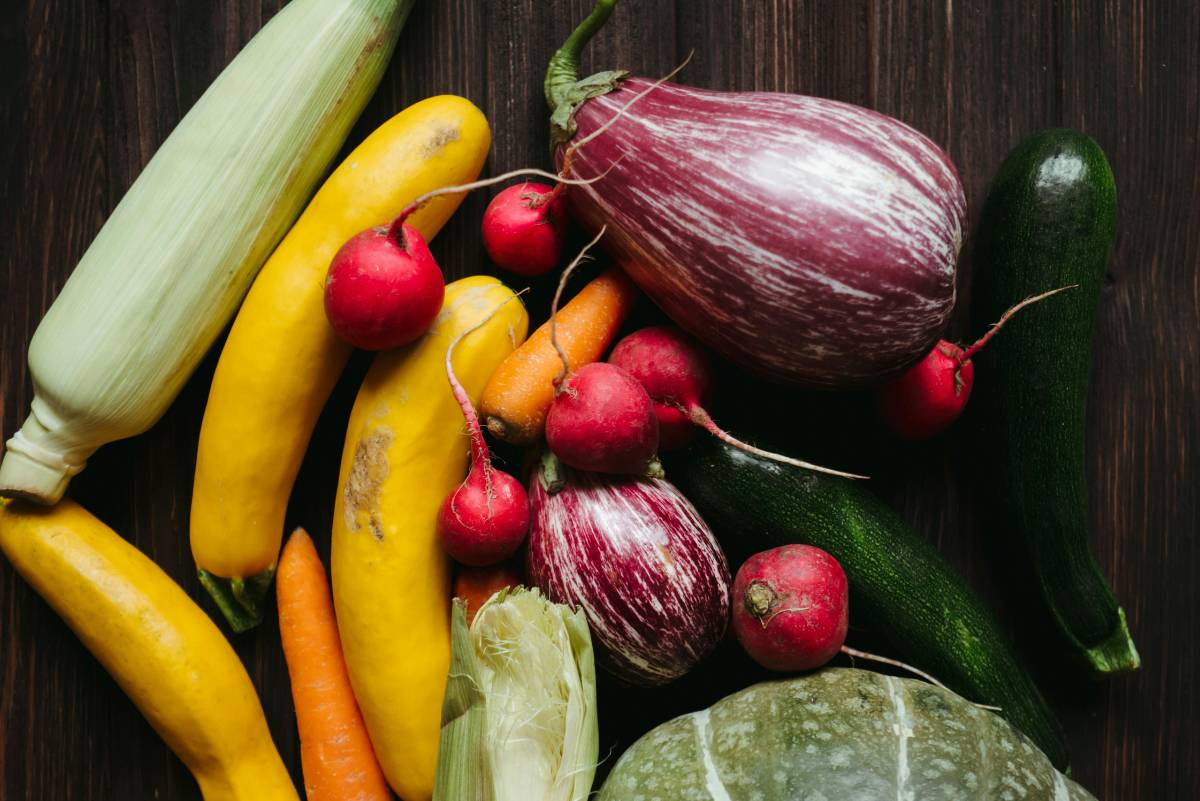
Increase your intake of fresh fruits and vegetables, which are staples of a whole foods diet. Aim to include a variety of colors and types in your meals to ensure a diverse range of nutrients. Fresh produce provides essential vitamins, minerals, and fiber that are often lost in processed foods.
Incorporate Whole Grains

Whole grains are a significant part of a whole foods diet. Replace refined grains with options like quinoa, barley, oats, and whole wheat. These grains are rich in fiber, vitamins, and minerals that support overall health and digestion.
Choose Lean Proteins
Include lean proteins in your diet, such as poultry, fish, legumes, and tofu. These protein sources provide essential amino acids without excessive saturated fat. Opt for grass-fed meats and wild-caught fish when possible for added nutritional benefits.
Snack Wisely
Snacking on whole foods can help you stay satisfied and maintain your energy levels. Choose snacks like fresh fruit, nuts, seeds, and yogurt. Avoid processed snacks that are high in sugar, sodium, and unhealthy fats.

Stay Hydrated
Proper hydration is an important aspect of a whole foods diet. Drink plenty of water throughout the day to support digestion, energy levels, and overall health. Herbal teas and infused water with fresh fruits or herbs can also be refreshing and hydrating options.
Listen to Your Body
Pay attention to how your body responds to dietary changes. Eating more whole foods may lead to improved energy levels, better digestion, and a sense of overall well-being. If you experience any discomfort or adverse effects, consult with a healthcare professional or a registered dietitian for personalized guidance.
Overcoming Challenges
Transitioning to a whole foods diet may come with challenges, such as cravings for processed foods or a lack of time for meal preparation. Here are some tips to overcome common obstacles:
Plan and Prepare: Invest time in meal planning and preparation to make the transition easier. Cook in batches and store meals in the refrigerator or freezer for quick and convenient options.
Find Support: Join a community or support group focused on whole foods eating. Sharing experiences and recipes with others can provide motivation and new ideas.
Experiment with Recipes: Explore new recipes and cooking methods to keep your meals interesting and enjoyable. Try different spices, herbs, and cooking techniques to enhance the flavor of whole foods.
Be Patient: Adjusting to a whole foods diet takes time. Be patient with yourself and recognize that it is a gradual process. Celebrate your progress and stay committed to making healthier choices.
In Conclusion
Transitioning to a whole foods diet is a positive step towards better health and wellness. By gradually incorporating more whole foods into your meals, planning ahead, and staying informed, you can make this dietary shift successfully. Emphasizing fresh produce, whole grains, lean proteins, and proper hydration will enhance your overall well-being and help you maintain a balanced and nutritious diet. Embrace the journey towards a healthier lifestyle with whole foods and enjoy the benefits they bring.
Trending Around the Web
About the Author
Aditi Sharma
Aditi Sharma is a passionate health and wellness advocate, with a deep understanding of the challenges modern parents face. With a focus on holistic well-being, Aditi Sharma aims to empower mothers and families with practical tips, science-backed advice, and inspiring stories to promote a healthy lifestyle. Whether it's nutrition, fitness, mental health, or parenting, Aditi Sharma is committed to making health and wellness approachable and accessible for every SuperMoomy reader.
MORE ARTICLES

2 min read | 11 Mar 2025
Understanding Hidden Sugars in Processed Foods
Processed foods are a major part of many diets, offering convenience and a variety of flavors. However, one of the significant concerns with these foods is the presence of hidden sugars. These sugars can be disguised under various names and contribute to excessive sugar intake, which is linked to several health issues. In this article, we will explore how hidden sugars are used in processed foods, how to identify them, and strategies to reduce their consumption.

4 min read | 10 Mar 2025
How Reducing Sugar Can Improve Your Energy Levels
Sugar is a common ingredient in many foods and beverages, often enjoyed for its sweet taste and quick energy boost. However, excessive sugar consumption can lead to various health issues, including energy crashes and fatigue. Reducing sugar intake can have significant benefits for your energy levels and overall well-being. This article explores how cutting back on sugar can improve your energy and provide tips for making healthier dietary choices.

2 min read | 09 Mar 2025
The Role of Natural Sweeteners in a Healthy Diet
Natural sweeteners are becoming increasingly popular as people seek healthier alternatives to refined sugars and artificial sweeteners. These sweeteners, derived from natural sources, offer various benefits and can play a significant role in a balanced diet. This article explores the role of natural sweeteners in promoting health, their potential benefits, and how to use them wisely in your diet.

3 min read | 08 Mar 2025
Tips for Reducing Sugar in Your Diet
Reducing sugar intake is a key step towards improving overall health and managing weight. Excessive sugar consumption is linked to various health issues, including obesity, diabetes, and heart disease. Fortunately, making simple changes to your diet can help you cut down on sugar and maintain a healthier lifestyle. Here are some practical tips for reducing sugar in your diet.

4 min read | 07 Mar 2025
Sugar Substitutes: What’s Safe and What’s Not?
Sugar substitutes offer a way to enjoy sweetness without the extra calories and potential health risks associated with regular sugar. With a variety of options available, it’s important to understand which substitutes are safe and which ones may pose health concerns. In this article, we'll explore the different types of sugar substitutes, their safety profiles, and how to make informed choices.

2 min read | 06 Mar 2025
How to Read Nutrition Labels for Added Sugars
Understanding nutrition labels is crucial for making informed choices about your diet, especially when it comes to added sugars. Added sugars are sugars that are added to foods and beverages during processing or preparation, and they can significantly impact your health. Learning how to read nutrition labels can help you manage your sugar intake and make healthier decisions. Here’s a guide to help you navigate nutrition labels and identify added sugars effectively.
RECENT POSTS
1
Recipes for Low-Sugar Desserts and Snacks
5 min read | 12 Mar 20252
Understanding Hidden Sugars in Processed Foods
2 min read | 11 Mar 20253
How Reducing Sugar Can Improve Your Energy Levels
4 min read | 10 Mar 20254
The Role of Natural Sweeteners in a Healthy Diet
2 min read | 09 Mar 20255
Tips for Reducing Sugar in Your Diet
3 min read | 08 Mar 20256
Sugar Substitutes: What’s Safe and What’s Not?
4 min read | 07 Mar 2025MORE POSTS

The Role of Hydration in Overall Health
5 min read | 09 Feb 2025
How to Identify and Avoid Processed Foods
4 min read | 08 Feb 2025
The Environmental Benefits of Choosing Whole Foods
3 min read | 07 Feb 2025
Cooking with Whole Foods: Easy Recipes to Get Started
5 min read | 06 Feb 2025How to Transition to a Whole Foods Diet
4 min read | 05 Feb 2025