Understanding Hidden Sugars in Processed Foods

 By Christin Hume |
 2 min read
|11 Mar 2025Processed foods are a major part of many diets, offering convenience and a variety of flavors. However, one of the significant concerns with these foods is the presence of hidden sugars. These sugars can be disguised under various names and contribute to excessive sugar intake, which is linked to several health issues. In this article, we will explore how hidden sugars are used in processed foods, how to identify them, and strategies to reduce their consumption.

The Role of Hidden Sugars in Processed Foods
Manufacturers often add sugars to processed foods for several reasons:
Flavor Enhancement: Sugars improve the taste and palatability of many processed foods, making them more appealing to consumers.
Preservation: Sugars can act as preservatives, extending the shelf life of products by inhibiting microbial growth.

Texture and Appearance: Sugars contribute to the texture and appearance of foods, affecting how they feel and look when consumed.
Common Names for Hidden Sugars
Sugars in processed foods can appear under various names on ingredient lists. Here are some common terms to watch out for:

High-Fructose Corn Syrup (HFCS): A sweetener made from corn starch that is high in fructose. It is commonly found in soft drinks and packaged snacks.
Sucrose: Regular table sugar, often used in baked goods and sweets.

Glucose: A type of sugar found in many processed foods and beverages.
Fructose: A sugar naturally found in fruits but also used as a sweetener in processed foods.
Corn Syrup: A syrup derived from corn starch, used to sweeten and thicken foods.

Agave Nectar: A sweetener made from the agave plant, often marketed as a healthier alternative but still high in sugars.
Honey: While natural, honey is still a form of sugar and can contribute to excess sugar intake if consumed in large amounts.

Maple Syrup: Another natural sweetener, similar to honey, and can add significant sugar to your diet.
Identifying Hidden Sugars
To effectively manage your sugar intake, it's essential to recognize hidden sugars in processed foods. Here are some tips to help:
Check Ingredient Lists: Review ingredient lists on food packaging to identify any of the above-mentioned sugar names. Ingredients are listed in descending order by quantity, so if sugar is listed early, it's present in significant amounts.
Look for Added Sugars: The Nutrition Facts label on food packaging now includes a section for added sugars. This can help you identify how much sugar has been added to the product beyond what is naturally occurring.

Beware of Low-Fat or Diet Foods: Products labeled as low-fat or diet may contain added sugars to compensate for lost flavor and texture.
Monitor Sugar Content: Be mindful of the total sugar content in foods, even if it’s not explicitly labeled as “added sugar.” Some processed foods can have high natural sugar content, contributing to overall intake.
Strategies to Reduce Hidden Sugar Intake
Here are practical strategies to help you reduce your consumption of hidden sugars:
Opt for Whole Foods: Choose fresh, whole foods such as fruits, vegetables, lean proteins, and whole grains. These foods are less likely to contain hidden sugars and offer more nutritional benefits.
Cook at Home: Preparing meals at home allows you to control the ingredients and avoid hidden sugars found in processed foods. Use natural sweeteners in moderation if needed.
Read Labels Carefully: Develop the habit of reading nutrition labels and ingredient lists to make informed choices. Be aware of common sugar aliases and watch for products with high added sugar content.
Choose Unsweetened Products: Opt for unsweetened versions of products such as yogurt, beverages, and cereals. You can add your own natural sweeteners if desired.
Incorporate Healthy Alternatives: Use fruits, spices like cinnamon, or small amounts of natural sweeteners to add flavor to your foods instead of relying on processed sugars.
Be Mindful of Beverages: Many sugary beverages contribute to hidden sugar intake. Opt for water, herbal teas, or unsweetened drinks to reduce your sugar consumption.
Understanding hidden sugars in processed foods is crucial for maintaining a healthy diet and avoiding excessive sugar intake. By recognizing the various names for sugars, carefully reading labels, and making mindful food choices, you can better manage your sugar consumption and improve your overall health. Remember, reducing hidden sugars is a step towards a balanced diet and a healthier lifestyle.
Trending Around the Web
About the Author
Christin Hume
Christin Hume is a passionate health and wellness advocate, with a deep understanding of the challenges modern parents face. With a focus on holistic well-being, Christin Hume aims to empower mothers and families with practical tips, science-backed advice, and inspiring stories to promote a healthy lifestyle. Whether it's nutrition, fitness, mental health, or parenting, Christin Hume is committed to making health and wellness approachable and accessible for every SuperMoomy reader.
MORE ARTICLES

2 min read | 03 Apr 2025
The Connection Between Mindful Eating and Digestion
Mindful eating is more than just a dietary practice; it's a holistic approach that can significantly impact your digestive health. By paying attention to how, when, and what you eat, you can enhance your digestion and overall well-being. Here’s how mindful eating connects with digestive health and how you can leverage this practice for better digestive outcomes.

4 min read | 02 Apr 2025
Tips for Eating Mindfully at Social Events
Social events often present a variety of food options and can sometimes lead to mindless eating, especially when you're focused on socializing. However, it’s possible to enjoy these occasions while still practicing mindful eating. Here are some tips to help you stay mindful at social events and maintain a balanced approach to food.

5 min read | 01 Apr 2025
The Role of Mindful Eating in Reducing Stress
Mindful eating, a practice rooted in mindfulness, can significantly impact stress levels by fostering a healthier relationship with food and promoting relaxation. This approach to eating involves paying full attention to the eating experience, from the flavors and textures of the food to the sensations of hunger and fullness. By incorporating mindful eating into your daily routine, you can manage stress more effectively and enhance overall well-being. Here’s how mindful eating can play a role in reducing stress.

4 min read | 31 Mar 2025
How Mindful Eating Can Help with Weight Management
Mindful eating is more than just a practice for enjoying meals; it can also play a significant role in managing weight. By focusing on the present moment and tuning into your body's signals, mindful eating can help you develop a healthier relationship with food, make better choices, and support your weight management goals. Here’s how mindful eating can be a powerful tool for weight management.

2 min read | 30 Mar 2025
Techniques for Practicing Mindful Eating
Mindful eating is a practice that encourages you to slow down and savor your meals, enhancing your overall dining experience and improving your relationship with food. By focusing on the present moment and being fully engaged during meals, you can foster healthier eating habits and greater enjoyment of your food. Here are some techniques for practicing mindful eating effectively.

3 min read | 29 Mar 2025
What is Mindful Eating and Why It Matters
Mindful eating is more than just a buzzword; it's a practice that encourages a more intentional and conscious approach to eating. Rooted in mindfulness, this practice involves paying full attention to the experience of eating and drinking, both inside and outside the body. By focusing on the present moment, mindful eating helps individuals develop a healthier relationship with food and promotes overall well-being. Here’s a closer look at what mindful eating is and why it matters.
RECENT POSTS
1
What Are Whole Foods and Why Are They Important?
5 min read | 01 Feb 20252
The Impact of Portion Control on Digestive Health
4 min read | 31 Jan 20253
Tips for Dining Out and Controlling Portions
3 min read | 30 Jan 20254
Understanding Serving Sizes vs. Portion Sizes
2 min read | 29 Jan 20255
The Psychology of Portion Sizes
4 min read | 28 Jan 20256
Using Portion Control Plates and Tools
2 min read | 27 Jan 2025MORE POSTS
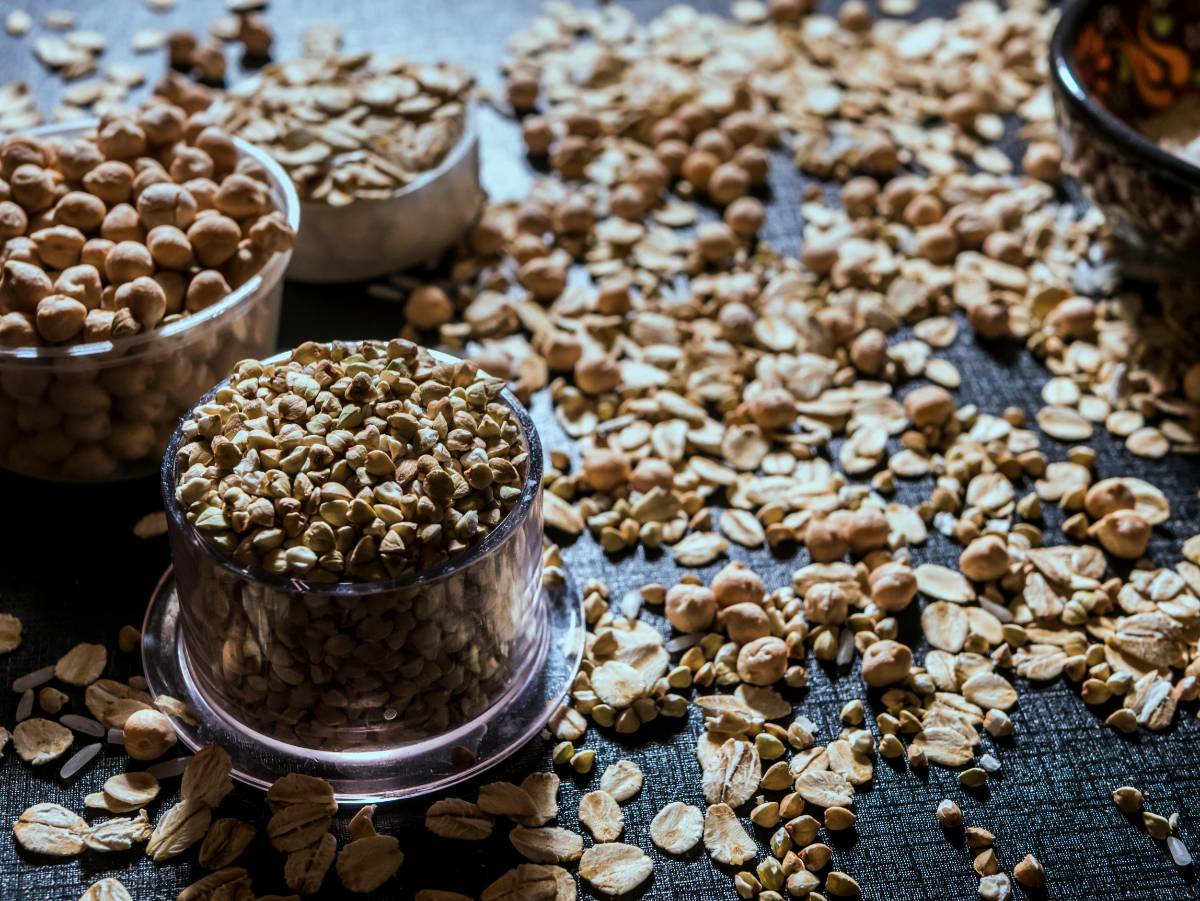
Whole Grains vs. Refined Grains: What’s the Difference?
4 min read | 03 Feb 2025
Incorporating More Fruits and Vegetables into Your Diet
5 min read | 02 Feb 2025
What Are Whole Foods and Why Are They Important?
5 min read | 01 Feb 2025
The Impact of Portion Control on Digestive Health
4 min read | 31 Jan 2025
Tips for Dining Out and Controlling Portions
3 min read | 30 Jan 2025