Incorporating Seasonal Produce into Your Meal Plan
 By Sayan Gosh |
 5 min read
|24 Mar 2025Incorporating seasonal produce into your meal plan not only enhances the flavor and nutrition of your dishes but also supports local farmers and reduces your environmental footprint. Seasonal fruits and vegetables are at their peak in terms of taste and nutritional value, making them a fantastic choice for a healthy diet. Here’s how to effectively include seasonal produce in your meal planning.

Understand What’s in Season
Start by familiarizing yourself with what fruits and vegetables are in season during each time of the year. Seasonal produce varies depending on your location and climate. Consult local farmer’s markets, seasonal produce guides, or online resources to find out which items are currently at their peak.
Plan Your Meals Around Seasonal Produce
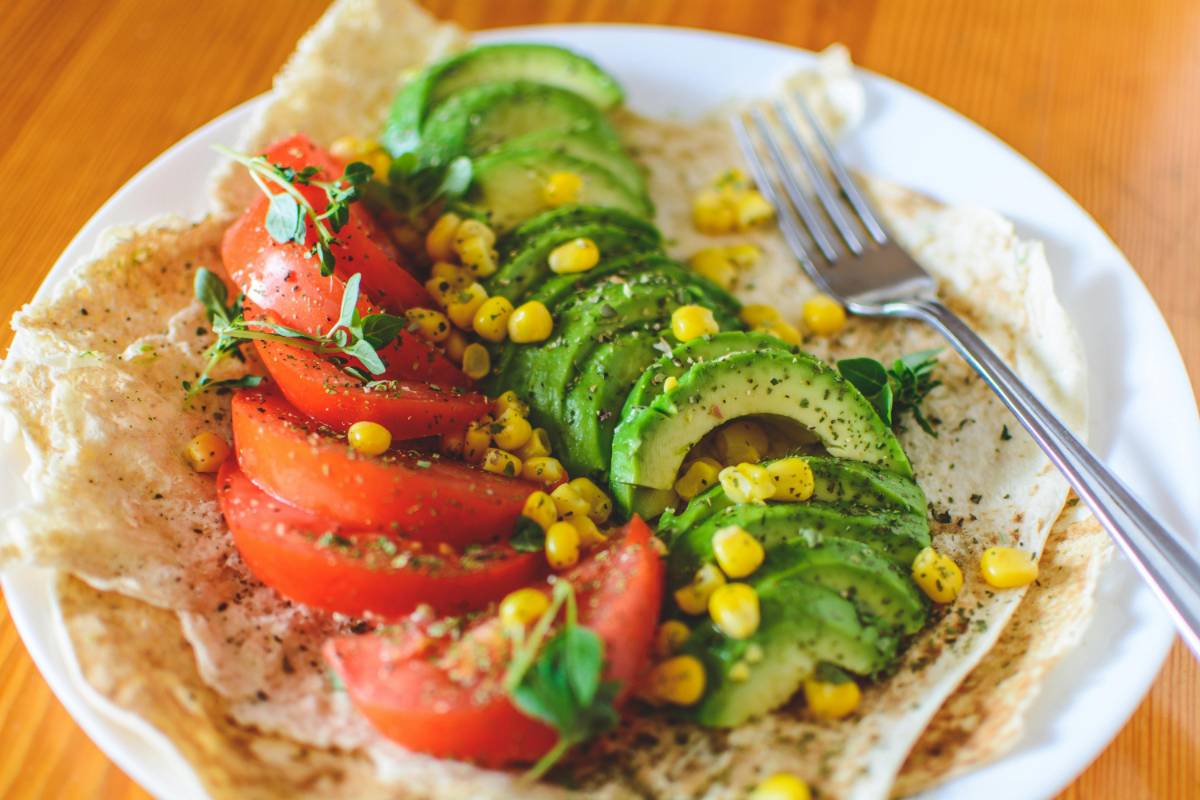
Once you know what’s in season, plan your meals to include these ingredients. Create a weekly menu that features seasonal fruits and vegetables in different dishes. For example, use fresh tomatoes and bell peppers for summer salads, or incorporate root vegetables like carrots and sweet potatoes into winter stews and roasts.

Explore New Recipes
Seasonal produce often inspires new recipe ideas. Look for recipes that highlight the fruits and vegetables currently in season. This can help you discover new flavors and cooking techniques. Seasonal produce is versatile, so experiment with different cuisines and cooking methods to keep your meals interesting and varied.
Preserve Seasonal Produce
If you find yourself with an abundance of seasonal produce, consider preserving it for later use. You can freeze, can, or dehydrate fruits and vegetables to enjoy them throughout the year. For example, freeze berries for smoothies or make homemade tomato sauce to use in winter recipes.
Visit Local Farmers’ Markets

Support local farmers by visiting farmers' markets to purchase seasonal produce. Farmers' markets often offer a wide variety of fresh, locally-grown fruits and vegetables that may not be available in grocery stores. Shopping at these markets also provides an opportunity to learn more about the produce and how it’s grown.
Incorporate Seasonal Produce into Snacks
Don’t limit seasonal produce to just meals; include it in your snacks as well. Fresh fruits and vegetables make excellent, healthy snacks. For instance, enjoy apple slices with almond butter in the fall or carrot sticks with hummus during the summer. Seasonal produce can add variety and nutritional benefits to your snacking habits.

Adjust Your Grocery List
When incorporating seasonal produce into your meal plan, adjust your grocery list accordingly. Focus on purchasing seasonal items and plan your shopping around what’s available. This approach not only ensures that you’re eating the freshest produce but also helps you stay within budget by taking advantage of in-season pricing.

Make Seasonal Produce the Star of Your Dishes
Highlight seasonal produce in your dishes by making it the focal point of your meals. For example, create a summer vegetable stir-fry featuring zucchini, squash, and corn, or a fall salad with roasted butternut squash and apples. Let the natural flavors of the seasonal produce shine through in your cooking.
Consider Seasonal Produce Substitutions
If a recipe calls for out-of-season produce, consider making substitutions with seasonal alternatives. For instance, if a recipe calls for strawberries in the winter, substitute with apples or citrus fruits that are in season. This approach helps you maintain variety in your diet while utilizing the best available ingredients.
Incorporating seasonal produce into your meal plan offers numerous benefits, including better flavor, increased nutritional value, and support for local agriculture. By understanding what’s in season, planning your meals, exploring new recipes, and making the most of local markets, you can enjoy the freshest and most delicious fruits and vegetables throughout the year. Embrace the seasonality of produce to enrich your diet and enhance your culinary experience.

Trending Around the Web
About the Author
Sayan Gosh
Sayan Gosh is a passionate health and wellness advocate, with a deep understanding of the challenges modern parents face. With a focus on holistic well-being, Sayan Gosh aims to empower mothers and families with practical tips, science-backed advice, and inspiring stories to promote a healthy lifestyle. Whether it's nutrition, fitness, mental health, or parenting, Sayan Gosh is committed to making health and wellness approachable and accessible for every SuperMoomy reader.
MORE ARTICLES
4 min read | 15 Mar 2025
How to Incorporate More Fruits and Vegetables into Your Meals
Increasing your intake of fruits and vegetables is a great way to boost your overall health and add essential nutrients to your diet. Incorporating more produce into your meals doesn't have to be complicated or time-consuming. Here are some practical tips to help you enjoy more fruits and vegetables every day.

2 min read | 14 Mar 2025
The Role of Hydration in a Healthy Diet
Hydration is a fundamental aspect of maintaining overall health and supporting bodily functions. Water plays a critical role in various physiological processes and is essential for optimal well-being. In this article, we'll explore the importance of hydration, its benefits, and how to ensure you stay properly hydrated.
4 min read | 13 Mar 2025
Healthy Eating on a Budget: Tips and Tricks
Eating healthy doesn't have to break the bank. With a bit of planning and smart shopping, you can maintain a nutritious diet while sticking to a budget. Here are some practical tips and tricks to help you eat well without overspending.
3 min read | 12 Mar 2025
How to Transition to a Plant-Based Diet
Transitioning to a plant-based diet can be a rewarding way to improve your health and reduce your environmental impact. A plant-based diet focuses on consuming whole, plant-derived foods while minimizing or eliminating animal products. If you're considering making this change, here are some steps to help you transition smoothly and sustainably.
3 min read | 11 Mar 2025
The Importance of Fiber in Your Diet
Fiber is an essential component of a healthy diet that offers a range of benefits for overall well-being. Found in plant-based foods, fiber is crucial for maintaining digestive health, managing weight, and reducing the risk of chronic diseases. In this article, we'll explore the importance of fiber, its various types, and how to incorporate more of it into your diet.
4 min read | 10 Mar 2025
10 Healthy Snacks You Can Make in Under 10 Minutes
Snacking can be a great way to fuel your body between meals, but choosing healthy options is key to maintaining a balanced diet. Quick and nutritious snacks can keep you satisfied and energized throughout the day. Here are ten healthy snacks that you can prepare in under 10 minutes.
RECENT POSTS
1
Best Equipment for HIIT Workouts
2 min read | 21 Feb 20252
HIIT Workouts You Can Do at Home
5 min read | 20 Feb 20253
The Science Behind HIIT and Its Benefits
3 min read | 19 Feb 20254
How to Incorporate HIIT into Your Existing Workout Routine
2 min read | 18 Feb 20255
HIIT Workouts for Burning Fat Quickly
5 min read | 17 Feb 20256
Creating a Beginner-Friendly HIIT Routine
4 min read | 16 Feb 2025MORE POSTS
Top Fiber-Rich Foods to Add to Your Diet
4 min read | 18 Feb 2025
The Benefits of Dietary Fiber for Digestive Health
2 min read | 17 Feb 2025
The Impact of Caffeine and Alcohol on Hydration
3 min read | 16 Feb 2025
How to Incorporate Hydrating Foods into Your Diet
4 min read | 15 Feb 2025
Hydration Tips for Active Lifestyles
5 min read | 14 Feb 2025