Top Fiber-Rich Foods to Add to Your Diet
 By Wilson Baker |
 4 min read
|18 Feb 2025Incorporating fiber-rich foods into your diet is essential for maintaining digestive health, managing weight, and supporting overall well-being. Fiber, a type of carbohydrate found in plant-based foods, aids in digestion, helps regulate blood sugar levels, and promotes a healthy gut. If you’re looking to increase your fiber intake, consider adding the following top fiber-rich foods to your meals and snacks.

Fruits
Fruits are not only delicious but also packed with fiber. Here are some of the best options:
Apples: Apples are a great source of soluble fiber, particularly pectin. One medium apple contains about 4 grams of fiber.
Pears: Pears, especially when eaten with the skin on, are high in fiber. A medium pear offers around 5.5 grams of fiber.

Berries: Berries like raspberries, blackberries, and strawberries are rich in fiber and antioxidants. For example, one cup of raspberries contains about 8 grams of fiber.
Vegetables
Vegetables provide a wide range of nutrients and are excellent sources of fiber. Incorporate these vegetables into your diet:

Broccoli: Broccoli is high in both soluble and insoluble fiber. One cup of cooked broccoli offers around 5 grams of fiber.
Carrots: Carrots are a versatile vegetable that provides about 4 grams of fiber per cup. They can be eaten raw, cooked, or added to various dishes.

Sweet Potatoes: Sweet potatoes are rich in fiber and essential nutrients. One medium sweet potato provides around 4 grams of fiber.
Legumes
Legumes are among the best sources of dietary fiber and can be included in a variety of meals:
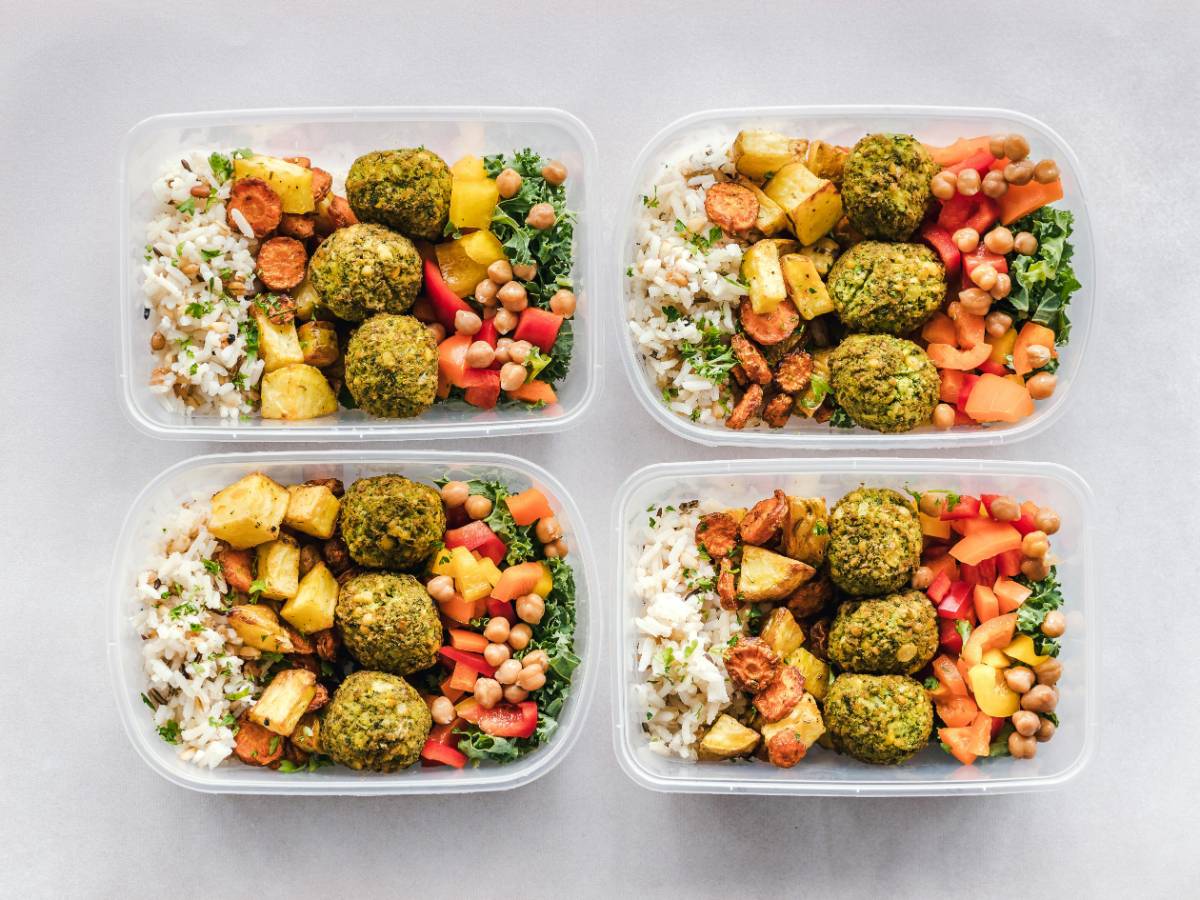
Lentils: Lentils are packed with fiber and protein. One cup of cooked lentils contains about 15.6 grams of fiber.
Chickpeas: Chickpeas, or garbanzo beans, are another excellent source of fiber. One cup of cooked chickpeas provides about 12.5 grams of fiber.

Black Beans: Black beans are rich in fiber and can be used in salads, soups, and stews. One cup of cooked black beans offers around 15 grams of fiber.
Whole Grains
Whole grains are an important part of a fiber-rich diet. They provide sustained energy and support digestive health:
Oats: Oats are an excellent source of soluble fiber, which helps to regulate blood sugar and cholesterol levels. One cup of cooked oats contains about 4 grams of fiber.
Quinoa: Quinoa is a complete protein and a good source of fiber. One cup of cooked quinoa offers around 5 grams of fiber.

Brown Rice: Brown rice is a whole grain that provides about 3.5 grams of fiber per cup of cooked rice. It’s a great alternative to white rice.
Nuts and Seeds
Nuts and seeds are not only nutritious but also provide a good amount of fiber. Try incorporating these into your diet:
Chia Seeds: Chia seeds are incredibly high in fiber. Two tablespoons of chia seeds contain about 10 grams of fiber.
Almonds: Almonds are a healthy snack option that provides about 3.5 grams of fiber per ounce.
Flaxseeds: Flaxseeds are rich in fiber and omega-3 fatty acids. One tablespoon of ground flaxseeds offers about 2.8 grams of fiber.
Tips for Incorporating Fiber-Rich Foods
To maximize the benefits of fiber, aim to include a variety of these fiber-rich foods in your diet. Here are some tips:
Start Your Day with Fiber: Begin your day with a high-fiber breakfast, such as oatmeal topped with berries or a smoothie made with spinach and chia seeds.
Snack Wisely: Choose fiber-rich snacks like raw vegetables, nuts, or fruit to keep you full and satisfied throughout the day.
Add Beans to Meals: Incorporate legumes like lentils or chickpeas into soups, salads, and stews for an extra fiber boost.
Opt for Whole Grains: Replace refined grains with whole grains in your meals. Choose whole-grain bread, pasta, and rice to increase your fiber intake.
In Conclusion
Adding fiber-rich foods to your diet is a simple yet effective way to support digestive health and overall well-being. Fruits, vegetables, legumes, whole grains, and nuts are all excellent sources of dietary fiber that can be easily incorporated into various meals and snacks. By including these foods in your diet and following the tips provided, you can enjoy the many health benefits that fiber has to offer and maintain a balanced and nutritious diet.
Trending Around the Web
About the Author
Wilson Baker
Wilson Baker is a passionate health and wellness advocate, with a deep understanding of the challenges modern parents face. With a focus on holistic well-being, Wilson Baker aims to empower mothers and families with practical tips, science-backed advice, and inspiring stories to promote a healthy lifestyle. Whether it's nutrition, fitness, mental health, or parenting, Wilson Baker is committed to making health and wellness approachable and accessible for every SuperMoomy reader.
MORE ARTICLES

2 min read | 27 Feb 2025
The Difference Between Eau de Parfum and Eau de Toilette
When selecting a fragrance, you’ll encounter terms like Eau de Parfum (EDP) and Eau de Toilette (EDT). These terms refer to different types of fragrance concentrations, each with its own characteristics. Understanding the difference between Eau de Parfum and Eau de Toilette can help you choose the right scent for your needs and preferences. This article breaks down the key differences between these two popular types of fragrances.

3 min read | 26 Feb 2025
How to Choose a Signature Scent
Choosing a signature scent is a personal and impactful decision that can enhance your identity and leave a lasting impression. A signature fragrance can become an integral part of your style and personality. With countless options available, selecting the right scent requires consideration of various factors. This article provides guidance on how to choose a signature scent that reflects your unique essence.
2 min read | 25 Feb 2025
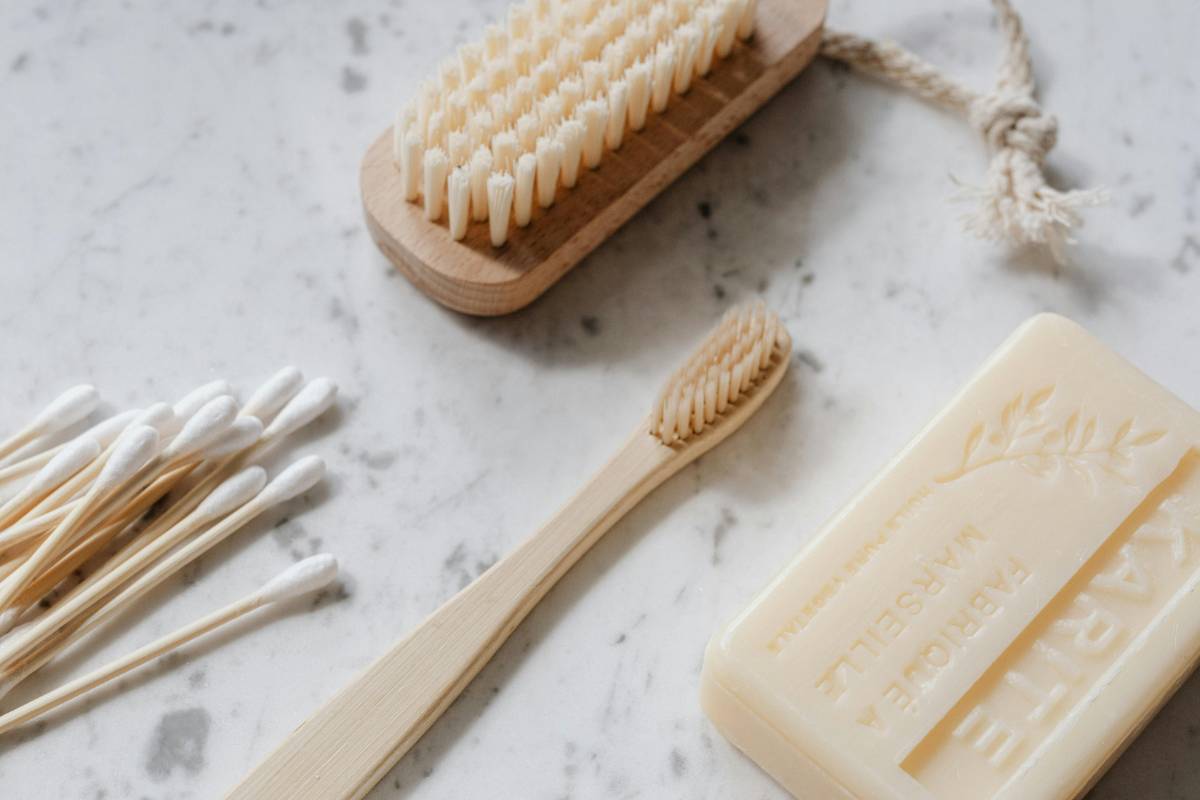
The Benefits of Using Natural Soaps
Natural soaps have gained popularity as a healthier alternative to commercial soaps that often contain synthetic ingredients and harsh chemicals. Made from natural oils, butters, and botanical extracts, these soaps offer various benefits for the skin and overall well-being. This article explores the advantages of using natural soaps and why they might be a great addition to your skincare routine.

3 min read | 24 Feb 2025
How to Keep Your Skin Hydrated All Day
Maintaining skin hydration throughout the day is crucial for a healthy, radiant complexion. Proper hydration helps to keep the skin plump, smooth, and resilient. To achieve long-lasting hydration, consider integrating the following strategies into your daily routine. This article provides practical tips to help you keep your skin hydrated from morning until night.

3 min read | 23 Feb 2025
Tips for Managing Eczema on the Body
Eczema, also known as atopic dermatitis, is a chronic skin condition characterized by inflammation, redness, and itching. It can occur on various parts of the body, including the arms, legs, and torso. Managing eczema effectively involves a combination of skincare practices, lifestyle adjustments, and treatments. This article provides practical tips for managing eczema on the body to help reduce flare-ups and maintain healthy skin.

3 min read | 22 Feb 2025
How to Create a Relaxing Bath Routine
A relaxing bath can be a perfect way to unwind and de-stress after a long day. Creating a calming bath routine involves more than just filling the tub with water; it requires attention to detail and thoughtful choices to enhance your overall experience. This article provides tips and ideas on how to create a relaxing bath routine that promotes relaxation and rejuvenation.
RECENT POSTS
1
HIIT Workouts for Burning Fat Quickly
5 min read | 17 Feb 20252
Creating a Beginner-Friendly HIIT Routine
4 min read | 16 Feb 20253
What is HIIT and Why is it Effective?
5 min read | 15 Feb 20254
How Flexibility Training Can Enhance Strength Workouts
4 min read | 14 Feb 20255
Creating a Daily Stretching Routine for Better Mobility
5 min read | 13 Feb 20256
Common Stretching Mistakes and How to Avoid Them
5 min read | 12 Feb 2025MORE POSTS

Benefits of Drinking Water Before Meals
5 min read | 27 Feb 2025
How Much Water Should You Drink Each Day?
6 min read | 26 Feb 2025
The Importance of Staying Hydrated for Weight Loss
4 min read | 25 Feb 2025
Strategies for Building a Healthy Relationship with Food
6 min read | 24 Feb 2025
How to Handle Social Situations that Involve Food
4 min read | 23 Feb 2025