How to Incorporate Hydrating Foods into Your Diet

 By Christin Hume |
 4 min read
|15 Feb 2025Hydrating foods are an excellent way to boost your fluid intake and support overall hydration. These foods not only help keep you hydrated but also provide essential nutrients and contribute to your overall well-being. In this article, we'll explore how to incorporate hydrating foods into your diet and offer practical tips for making them a regular part of your meals and snacks.

Understanding Hydrating Foods
Hydrating foods are those with high water content, which helps contribute to your daily fluid intake. Foods with at least 70% water content are considered hydrating. Incorporating these foods into your diet can help you stay hydrated, improve skin health, and support digestive function. Here are some key categories and examples of hydrating foods:
Fruits
Fruits are among the best sources of hydration due to their high water content. Some excellent hydrating fruits include:

Watermelon: Comprising over 90% water, watermelon is incredibly refreshing and perfect for hot weather. Enjoy it as a snack, in salads, or blended into smoothies.
Cucumber: With around 95% water content, cucumber is not only hydrating but also low in calories. Add it to salads, sandwiches, or enjoy it as a crunchy snack.
Strawberries: Strawberries are about 91% water and packed with antioxidants. Eat them fresh, add them to yogurt, or blend them into a smoothie.

Oranges: Oranges contain about 86% water and provide a good dose of vitamin C. Eat them whole or drink freshly squeezed orange juice.
Vegetables

Vegetables also contribute to hydration and offer a range of nutrients. Some hydrating vegetables include:
Celery: Celery is made up of approximately 95% water and is great for hydration. Snack on it raw, add it to salads, or use it in soups and stews.
Tomatoes: Tomatoes contain about 95% water and are rich in vitamins and antioxidants. Use them in salads, sauces, or as a base for soups.

Bell Peppers: With around 92% water content, bell peppers add a crisp, hydrating crunch to salads and sandwiches. They’re also great for dipping.
Incorporating Hydrating Foods into Your Meals
Incorporating hydrating foods into your diet is simple and can enhance both flavor and nutrition. Here are some tips for making them a regular part of your diet:
Start with Breakfast: Add hydrating fruits like berries or oranges to your breakfast. You can include them in yogurt, oatmeal, or smoothies to boost hydration right from the start of the day.
Snack Smart: Choose hydrating vegetables like cucumber or celery as snacks. Pair them with hummus or yogurt for added flavor and nutrients.
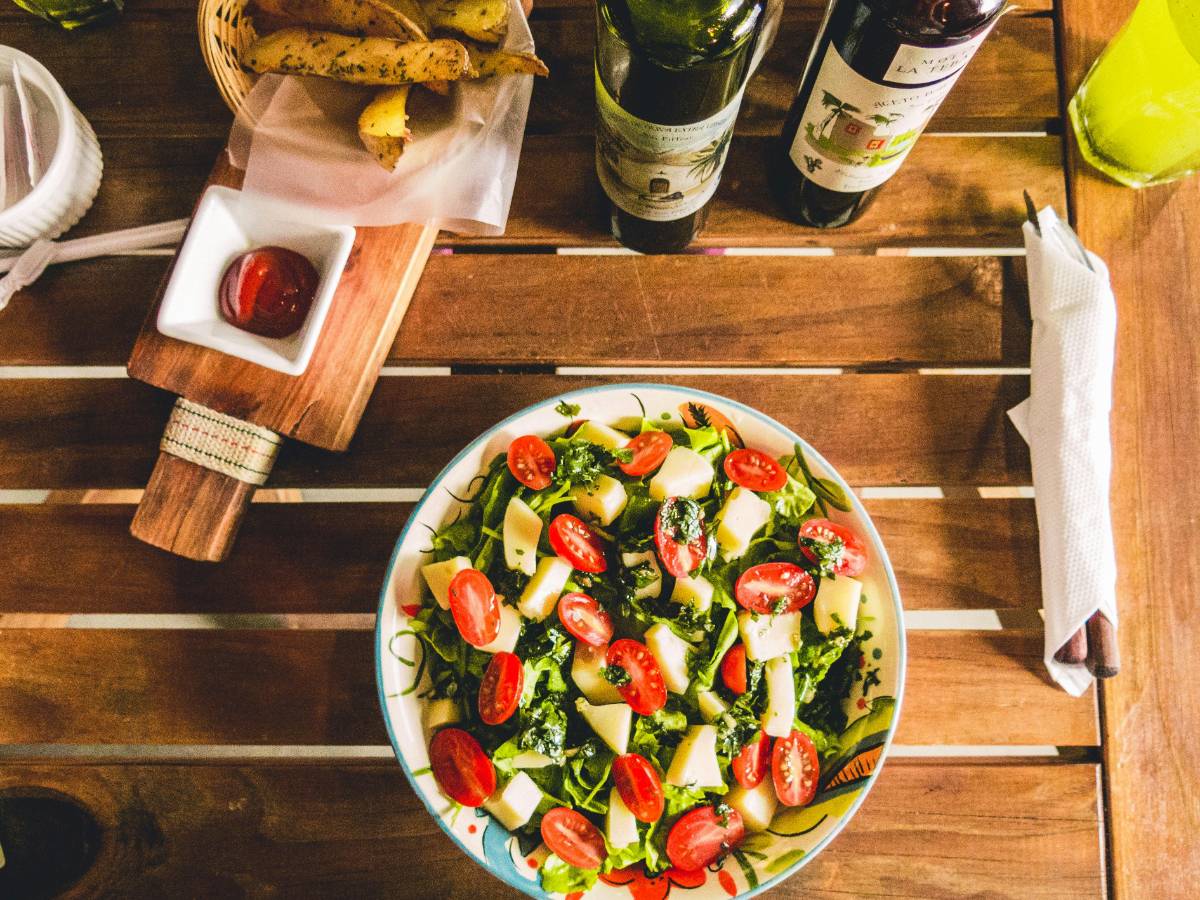
Make Hydrating Salads: Create salads with a mix of hydrating vegetables and fruits. A salad with cucumber, tomatoes, and strawberries can be both refreshing and hydrating.
Blend Smoothies: Use hydrating fruits and vegetables in your smoothies. Combine watermelon, spinach, and strawberries for a nutrient-packed, hydrating drink.

Add to Meals: Include hydrating foods in your main dishes. For example, add diced tomatoes to soups, stir-fry bell peppers with other vegetables, or incorporate cucumber into a quinoa salad.
Stay Hydrated Throughout the Day
To stay hydrated throughout the day, make sure to include hydrating foods in various meals and snacks. Hydrating foods can complement your water intake and ensure that you’re getting enough fluids. Aim to eat a variety of hydrating foods to benefit from their different nutrients and flavors.
In Conclusion
Incorporating hydrating foods into your diet is a delicious and effective way to boost your hydration levels and support overall health. By including fruits like watermelon, berries, and oranges, and vegetables such as cucumber, celery, and tomatoes, you can enhance your fluid intake while enjoying a range of flavors and nutrients. Make these hydrating foods a regular part of your meals and snacks to stay hydrated and nourish your body.
Trending Around the Web
About the Author
Christin Hume
Christin Hume is a passionate health and wellness advocate, with a deep understanding of the challenges modern parents face. With a focus on holistic well-being, Christin Hume aims to empower mothers and families with practical tips, science-backed advice, and inspiring stories to promote a healthy lifestyle. Whether it's nutrition, fitness, mental health, or parenting, Christin Hume is committed to making health and wellness approachable and accessible for every SuperMoomy reader.
MORE ARTICLES

4 min read | 14 Apr 2025
How to Read Nutrition Labels to Support Your Weight Loss Goals
Reading nutrition labels is an essential skill for managing your weight and making informed dietary choices. Nutrition labels provide valuable information about the nutrient content of food products, helping you to select options that align with your weight loss goals. Here’s a guide on how to read nutrition labels effectively to support your weight management efforts.
4 min read | 13 Apr 2025
The Role of Protein in Weight Loss and How to Include It in Your Diet
Protein plays a significant role in weight loss and overall health. As a crucial macronutrient, protein supports various bodily functions, including muscle repair, hormone production, and immune system support. Understanding how protein contributes to weight loss and finding ways to include it in your diet can enhance your weight management efforts. Here’s a guide on the role of protein in weight loss and tips for incorporating it into your meals.
5 min read | 12 Apr 2025
Low-Carb Diets: Do They Really Work for Weight Loss?
Low-carb diets have gained popularity as a weight loss strategy, with many people finding success with various low-carb eating plans. These diets typically involve reducing the intake of carbohydrates, which can lead to changes in metabolism and appetite. But do low-carb diets really work for weight loss? Here’s an in-depth look at how low-carb diets function and their effectiveness for weight management.
4 min read | 11 Apr 2025
The Importance of Portion Control in Weight Loss
Portion control is a crucial aspect of weight loss and overall healthy eating. It involves managing the quantity of food you consume to avoid overeating and maintain a balanced diet. Proper portion control helps regulate calorie intake, supports weight management, and promotes long-term health. Here’s why portion control is important for weight loss and how you can effectively implement it.

4 min read | 10 Apr 2025
How to Reduce Emotional Eating for Better Weight Management
Emotional eating, or eating in response to emotions rather than hunger, can hinder weight management and overall health. Recognizing the triggers and finding effective strategies to manage emotional eating are essential for achieving better weight control. Here’s a guide on how to reduce emotional eating and maintain a healthier relationship with food.

3 min read | 09 Apr 2025
The Best Home Workouts for Weight Loss
Home workouts offer a convenient and effective way to achieve your weight loss goals without needing a gym membership or specialized equipment. By incorporating a variety of exercises into your routine, you can target different muscle groups, boost your metabolism, and burn calories. Here’s a guide to some of the best home workouts for weight loss.
RECENT POSTS
1
Understanding Hidden Sugars in Processed Foods
2 min read | 11 Mar 20252
How Reducing Sugar Can Improve Your Energy Levels
4 min read | 10 Mar 20253
The Role of Natural Sweeteners in a Healthy Diet
2 min read | 09 Mar 20254
Tips for Reducing Sugar in Your Diet
3 min read | 08 Mar 20255
Sugar Substitutes: What’s Safe and What’s Not?
4 min read | 07 Mar 20256
How to Read Nutrition Labels for Added Sugars
2 min read | 06 Mar 2025MORE POSTS

Tips for Healthy Meal Prep and Batch Cooking
2 min read | 23 Mar 2025
How to Create a Weekly Meal Plan
2 min read | 22 Mar 2025
The Benefits of Planning Your Meals Ahead
5 min read | 21 Mar 2025
Benefits of a Low-Sodium Diet
5 min read | 20 Mar 2025
How to Balance Salt and Flavor in Your Meals
5 min read | 19 Mar 2025