The Role of Stability in Functional Training
 By Oliver Davis |
 5 min read
|04 Mar 2025Stability plays a crucial role in functional training, as it underpins nearly every movement you make and enhances your overall performance. Functional training aims to improve your ability to perform daily activities and sports movements effectively, and stability is a key component in achieving this goal. In this article, we’ll explore the importance of stability in functional training and how to enhance it through various exercises and techniques.

Understanding Stability
Stability refers to your ability to maintain control of your body’s position and movement while engaging various muscle groups. It involves the coordination and strength of your core muscles, as well as the ability to stabilize your joints and balance your body. Stability training focuses on improving these aspects to enhance functional movement patterns.
Benefits of Stability Training
Incorporating stability exercises into your functional training routine offers several benefits:

Enhanced Core Strength: Stability training helps build core strength, which is essential for maintaining proper posture and balance.
Improved Balance: Stability exercises challenge your ability to maintain balance, reducing the risk of falls and injuries.
Better Joint Stability: Strengthening stabilizing muscles around your joints helps prevent injuries and supports overall joint health.

Increased Functional Performance: Improved stability enhances your ability to perform everyday activities and athletic movements with greater efficiency and control.
Effective Stability Exercises
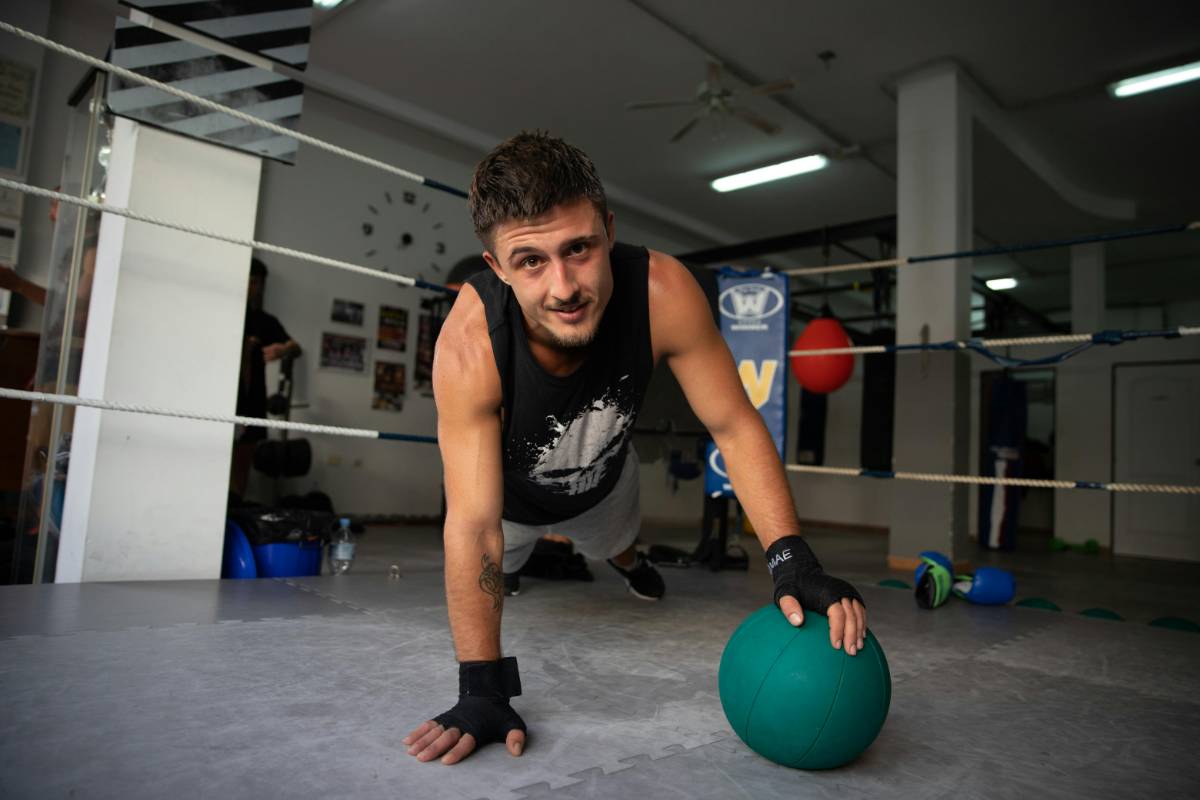
Here are some effective stability exercises to incorporate into your functional training routine:
Single-Leg Balance
Single-leg balance exercises improve stability and coordination by challenging your ability to maintain balance on one leg.

How to Perform:
Stand with your feet hip-width apart and lift one leg off the ground. Hold the position for 30-60 seconds, keeping your core engaged and your body aligned. Switch legs and repeat. To increase difficulty, try closing your eyes or standing on an unstable surface.
BOSU Ball Squats
BOSU ball squats combine balance and stability training with lower body strength exercises.
How to Perform:
Place a BOSU ball with the flat side facing down on the floor. Stand with your feet shoulder-width apart and position the ball under your feet. Perform squats while maintaining your balance on the unstable surface. Focus on controlled movements and proper form.
Stability Ball Rollouts

Stability ball rollouts challenge your core stability and strengthen your abdominal muscles.
How to Perform:
Kneel on the floor with a stability ball in front of you. Place your hands on the ball and slowly roll it forward, extending your body while keeping your core engaged. Roll the ball back to the starting position and repeat the movement.
Plank Variations
Planks are a fundamental stability exercise that targets the core and improves overall stability.
How to Perform:
Start in a forearm plank position with your body in a straight line. Hold this position for 30-60 seconds. To add variety, try side planks, plank with leg lifts, or plank with arm lifts to challenge your stability further.
Lateral Band Walks
Lateral band walks strengthen the hip muscles and improve stability during lateral movements.
How to Perform:
Place a resistance band around your thighs, just above your knees. Stand with your feet shoulder-width apart and slightly bend your knees. Step sideways while keeping tension on the band, then return to the starting position. Repeat the movement in both directions.
Incorporating Stability Exercises into Your Routine
When adding stability exercises to your functional training routine, consider the following tips:
Start with Basics: Begin with fundamental stability exercises and gradually progress to more challenging movements as your stability improves.
Focus on Form: Proper form is essential for maximizing the effectiveness of stability exercises and reducing the risk of injury.
Include Variety: Incorporate a range of stability exercises to target different muscle groups and movement patterns.
Combine with Other Exercises: Integrate stability exercises with strength and functional movements to create a comprehensive training routine.
Conclusion
Stability is a vital component of functional training that enhances your ability to perform everyday activities and sports movements effectively. By incorporating exercises such as single-leg balance, BOSU ball squats, stability ball rollouts, plank variations, and lateral band walks, you can improve your core strength, balance, and joint stability. Focus on proper form, start with basic exercises, and gradually progress to achieve the best results and support your overall functional fitness.
Trending Around the Web
About the Author
Oliver Davis
Oliver Davis is a passionate health and wellness advocate, with a deep understanding of the challenges modern parents face. With a focus on holistic well-being, Oliver Davis aims to empower mothers and families with practical tips, science-backed advice, and inspiring stories to promote a healthy lifestyle. Whether it's nutrition, fitness, mental health, or parenting, Oliver Davis is committed to making health and wellness approachable and accessible for every SuperMoomy reader.
MORE ARTICLES
5 min read | 28 Feb 2025
How Functional Training Enhances Athletic Performance
Functional training has gained popularity not only among fitness enthusiasts but also among athletes looking to enhance their performance. By focusing on exercises that mimic real-life movements and improve overall strength and stability, functional training offers numerous benefits for athletic performance. In this article, we’ll explore how functional training can boost your athletic abilities and help you achieve your performance goals.
5 min read | 27 Feb 2025
Creating a Functional Training Routine for Beginners
Functional training focuses on exercises that improve your ability to perform everyday activities with greater ease and efficiency. For beginners, creating a functional training routine can seem daunting, but it’s a valuable approach to building overall strength and stability. In this article, we’ll guide you through creating a beginner-friendly functional training routine.
5 min read | 26 Feb 2025
Top Functional Exercises for Everyday Strength
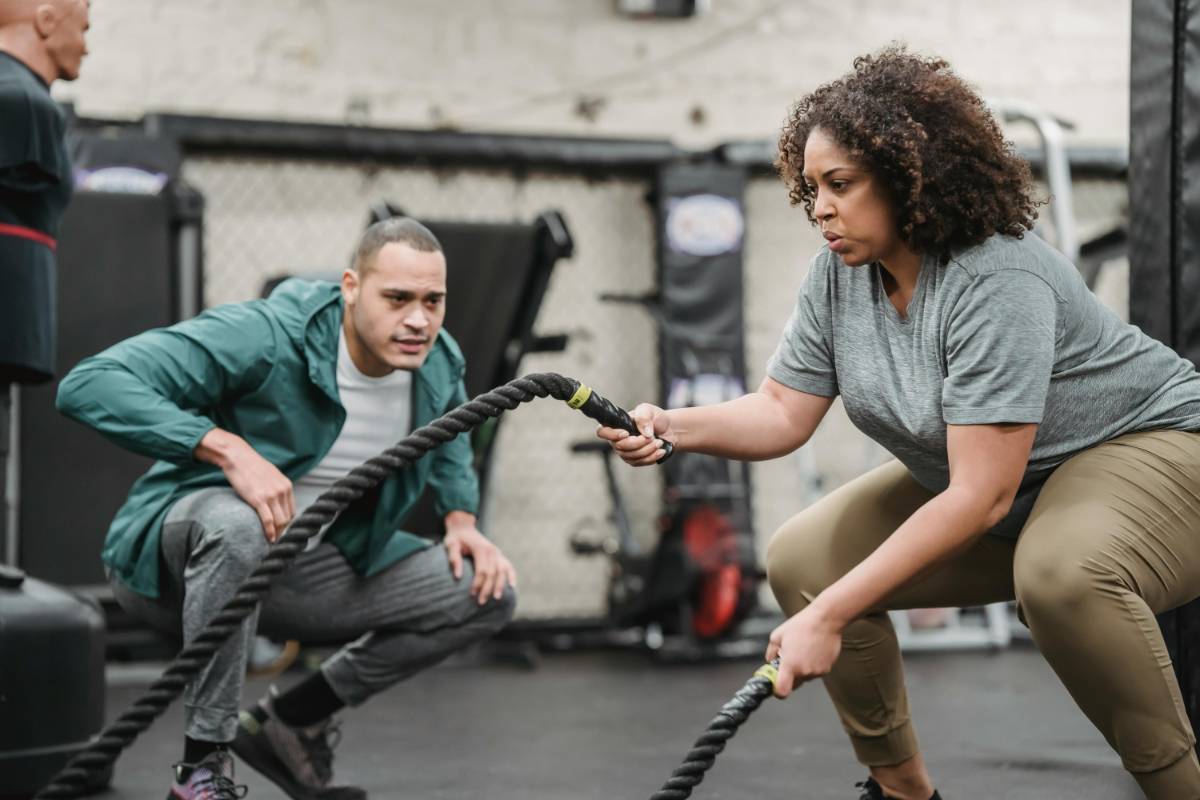
Functional exercises are designed to improve your ability to perform everyday tasks with ease and efficiency. By focusing on movements that mimic daily activities, these exercises enhance overall strength, stability, and coordination. In this article, we’ll highlight some of the top functional exercises to help build everyday strength.

3 min read | 25 Feb 2025
What is Functional Training and Why is it Important?
Functional training has become a popular approach to exercise, focusing on movements that improve daily life activities and overall fitness. This type of training emphasizes exercises that mimic real-life activities and enhance the body's ability to perform everyday tasks. In this article, we’ll explore what functional training is, its key benefits, and why it’s important.

2 min read | 24 Feb 2025
Common HIIT Mistakes and How to Fix Them
High-Intensity Interval Training (HIIT) is a popular workout method known for its efficiency and effectiveness. However, to reap the full benefits of HIIT, it is essential to avoid common mistakes that can undermine your results or lead to injury. In this article, we’ll discuss frequent HIIT mistakes and how to correct them.

3 min read | 23 Feb 2025
Combining HIIT with Strength Training for Maximum Results
Combining High-Intensity Interval Training (HIIT) with strength training is a powerful strategy to maximize fitness results. This approach allows you to benefit from the cardiovascular and metabolic advantages of HIIT while also building muscle and strength through resistance training. In this article, we'll explore how to effectively combine these two workout methods for optimal results.
RECENT POSTS
1
The Benefits of Regular Body Exfoliation
2 min read | 16 Feb 20252
How to Care for Sensitive Teeth
2 min read | 15 Feb 20253
The Role of Fluoride in Toothpaste
2 min read | 14 Feb 20254
Tips for Fresh Breath Throughout the Day
4 min read | 13 Feb 20255
How to Prevent Gum Disease
5 min read | 12 Feb 20256
The Impact of Diet on Oral Health
5 min read | 11 Feb 2025MORE POSTS

How to Incorporate Healthy Foods into Your Pre- and Post-Workout Meals
5 min read | 13 Apr 2025
The Best Skincare Practices for Active Individuals
3 min read | 12 Apr 2025
Top 10 Healthy Eating Habits for Weight Loss and Fitness
3 min read | 11 Apr 2025
How to Develop a Balanced Diet to Complement Your Exercise Routine
4 min read | 10 Apr 2025
Daily Personal Care Habits That Boost Your Workout Performance
3 min read | 09 Apr 2025