Why Flexibility is Important for Overall Fitness
 By Aditi Sharma |
 5 min read
|05 Feb 2025Flexibility is often overlooked in the pursuit of fitness, but it plays a crucial role in overall health and performance. Many people focus primarily on strength, endurance, or cardiovascular fitness, neglecting the importance of maintaining and improving flexibility. In this article, we’ll explore why flexibility is essential for overall fitness and how incorporating it into your routine can benefit your body.

The Role of Flexibility in Fitness
Flexibility refers to the range of motion around a joint and the ability of muscles and tendons to stretch. It affects nearly every aspect of physical activity and overall health. Here’s why flexibility is crucial:
Injury Prevention:
Improving flexibility can help prevent injuries by allowing your muscles and joints to move through their full range of motion. Stiff or tight muscles are more prone to strains and sprains, while flexible muscles can absorb impact more effectively and maintain proper alignment during exercise.

Enhanced Performance:
Flexible muscles and joints can contribute to better performance in various physical activities. Whether you're running, lifting weights, or practicing yoga, increased flexibility allows for a more efficient range of motion, which can enhance your performance and reduce the risk of injury.
Improved Posture:

Flexibility can positively impact your posture. Tight muscles, especially in the back and shoulders, can contribute to poor posture and discomfort. Regular stretching helps lengthen and loosen these muscles, promoting better alignment and reducing the risk of posture-related issues.
Increased Blood Flow:

Stretching and flexibility exercises stimulate blood flow to your muscles and connective tissues. This increased circulation helps deliver nutrients and oxygen to the muscles, aiding in recovery and reducing muscle soreness after exercise.
Enhanced Mobility:
Good flexibility supports overall mobility and functional movement. It helps you perform daily activities with ease, such as bending, reaching, and twisting, which can improve your quality of life and independence as you age.

Flexibility and Different Types of Exercise
Flexibility exercises can complement various types of fitness routines:

Strength Training:
Incorporating stretching or flexibility exercises into your strength training routine can improve your range of motion and help you perform exercises more effectively. Stretching before and after lifting weights can also aid in recovery and reduce muscle stiffness.
Cardiovascular Exercise:
For those engaging in cardiovascular workouts like running or cycling, flexibility exercises can help maintain muscle balance and prevent injuries caused by repetitive movements. Stretching can also improve overall comfort during and after cardio sessions.
Sports Performance:

Athletes in sports requiring agility and speed benefit greatly from flexibility. Enhanced flexibility can improve performance in sports such as soccer, basketball, and gymnastics, where a wide range of motion is necessary for optimal performance.
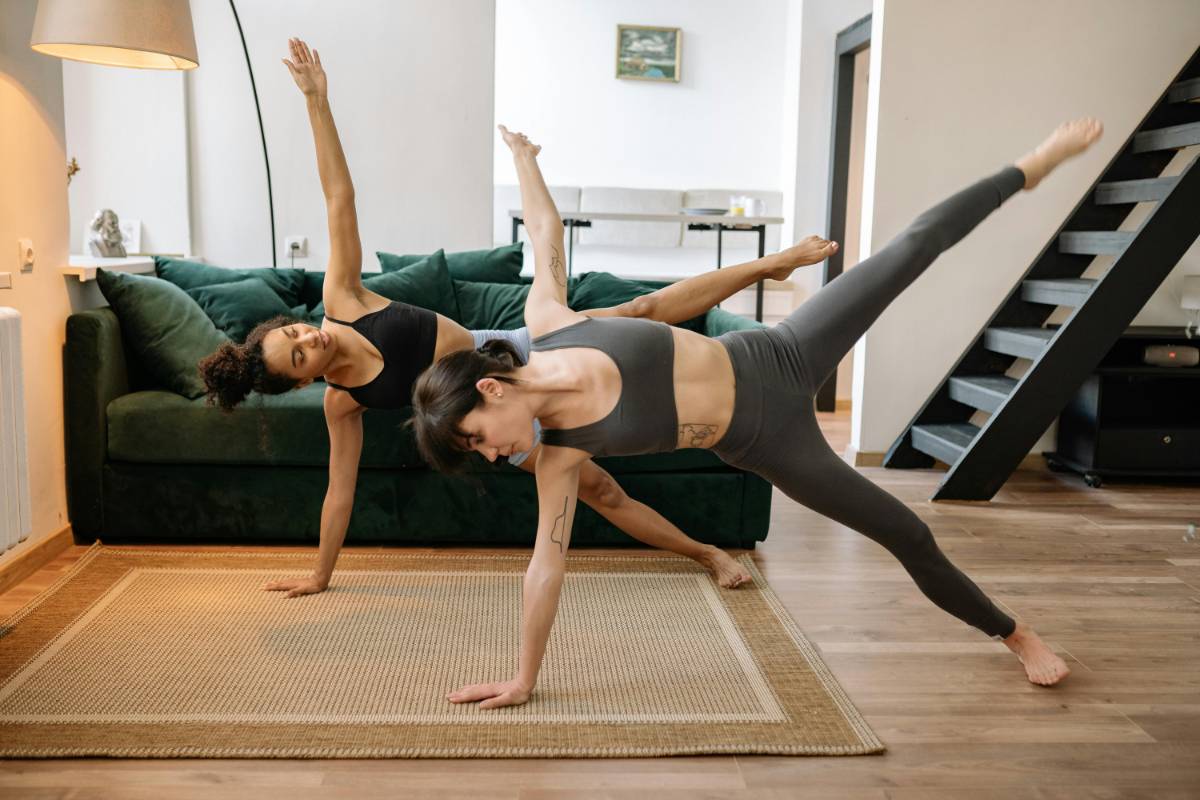
Yoga and Pilates:
These disciplines are inherently focused on flexibility and can greatly benefit overall fitness. Practicing yoga or Pilates can improve your flexibility, balance, and core strength, contributing to better overall fitness and well-being.
Incorporating Flexibility Training
To reap the benefits of flexibility training, consider these strategies:
Regular Stretching Routine:
Incorporate a stretching routine into your daily or weekly workout schedule. Focus on major muscle groups and joints, including hamstrings, quadriceps, shoulders, and hips.
Dynamic Stretching:
Perform dynamic stretches as part of your warm-up before exercise. This type of stretching involves controlled movements that prepare your muscles and joints for activity.
Static Stretching:
Engage in static stretching after workouts to help relax muscles and improve flexibility. Hold each stretch for 15-30 seconds, focusing on deep, controlled breaths.
Incorporate Flexibility Exercises:
Include exercises specifically designed to improve flexibility, such as yoga poses, Pilates movements, or dedicated stretching routines. These exercises can help you gradually increase your range of motion over time.
Listen to Your Body:
Pay attention to how your body responds to stretching and flexibility exercises. Avoid pushing beyond your limits and be mindful of any discomfort or pain. Gradually increase the intensity and duration of your stretches as your flexibility improves.
Final Thoughts
Flexibility is a vital component of overall fitness that should not be underestimated. By improving flexibility, you can enhance your performance, prevent injuries, and support your overall health and well-being. Incorporate flexibility exercises into your routine to experience the benefits and achieve a balanced approach to fitness. Remember, flexibility training complements other forms of exercise and contributes to a healthier, more functional body.
Trending Around the Web
About the Author
Aditi Sharma
Aditi Sharma is a passionate health and wellness advocate, with a deep understanding of the challenges modern parents face. With a focus on holistic well-being, Aditi Sharma aims to empower mothers and families with practical tips, science-backed advice, and inspiring stories to promote a healthy lifestyle. Whether it's nutrition, fitness, mental health, or parenting, Aditi Sharma is committed to making health and wellness approachable and accessible for every SuperMoomy reader.
MORE ARTICLES

4 min read | 25 Feb 2025
Daily Skincare Routine for Glowing Skin
Achieving glowing skin requires a consistent and effective skincare routine. A well-structured regimen helps maintain the skin's health, prevent breakouts, and enhance its natural radiance. This article outlines a step-by-step daily skincare routine that promotes glowing skin, with tips on selecting the right products and understanding the benefits of each step.

2 min read | 16 Apr 2025
Mindful Eating: How to Develop a Healthy Relationship with Food
In today’s fast-paced world, it’s easy to eat on the go or while distracted, often leading to overeating or unhealthy food choices. Mindful eating is the practice of paying full attention to the experience of eating and developing a healthier relationship with food. By becoming more aware of your food choices and eating habits, you can improve both your physical and mental well-being. Here’s how to cultivate the practice of mindful eating and create a positive connection with your meals.

5 min read | 15 Apr 2025
Incorporating More Vegetables into Your Daily Diet
Eating more vegetables is one of the best ways to improve your overall health, as they are packed with essential nutrients, fiber, and antioxidants. However, many people struggle to get enough vegetables into their daily diet. Here are some simple and practical tips to help you incorporate more vegetables into your meals every day.

4 min read | 14 Apr 2025
How to Stay Healthy During the Holidays
The holiday season is a time for celebration, family gatherings, and indulgent meals, but it can also be a time when healthy habits are put to the test. Staying healthy during the holidays doesn’t mean you have to miss out on the festivities—it just requires a little planning and mindfulness. Here are some tips to help you stay on track with your health goals while still enjoying the season.

4 min read | 13 Apr 2025
The Health Benefits of Organic Foods
As people become more health-conscious, many are turning to organic foods as a way to improve their diet and reduce their exposure to harmful substances. Organic foods are grown without the use of synthetic pesticides, herbicides, or fertilizers, and they must meet strict guidelines to earn the organic label. Here’s a look at the potential health benefits of incorporating organic foods into your diet.

3 min read | 12 Apr 2025
Portion Control Tips to Avoid Overeating
Overeating can often lead to weight gain and discomfort, but practicing portion control can help you manage your food intake and support your health goals. Here are some effective tips to help you control portions and avoid overeating.
RECENT POSTS
1
The Benefits of Regular Manicures
2 min read | 18 Mar 20252
How to Care for Dry, Cracked Hands
3 min read | 17 Mar 20253
Natural Alternatives to Shaving Cream
4 min read | 16 Mar 20254
How to Maintain a Clean Shave on the Go
2 min read | 15 Mar 20255
Best Practices for Grooming Sensitive Areas
3 min read | 14 Mar 20256
How to Care for Your Beard
3 min read | 13 Mar 2025MORE POSTS

The Importance of Regular Health Check-Ups
2 min read | 08 Feb 2025
Building Healthy Habits for Long-Term Weight Management
3 min read | 07 Feb 2025
How Stress Impacts Your Weight and What You Can Do About It
3 min read | 06 Feb 2025
The Link Between Sleep and Weight Loss
3 min read | 05 Feb 2025
Outdoor vs. Indoor Workouts: Which is Better?
3 min read | 04 Feb 2025