The Role of Nutrition in Supporting Your Weight Loss Goals

 By Prince Matthews |
 2 min read
|08 Apr 2025Nutrition plays a pivotal role in supporting and achieving weight loss goals. Understanding how different nutrients affect your body can help you make better dietary choices and optimize your weight loss journey. Here’s an overview of how nutrition impacts weight loss and how to incorporate it effectively into your plan.

Understanding Macronutrients
Macronutrients—carbohydrates, proteins, and fats—are essential for providing energy and supporting bodily functions. Balancing these macronutrients can significantly impact your weight loss progress:
Carbohydrates: Carbohydrates are the body's primary source of energy. However, not all carbs are created equal. Complex carbohydrates, found in whole grains, vegetables, and legumes, provide sustained energy and keep you fuller for longer. Conversely, simple carbohydrates, such as those in sugary snacks and drinks, can lead to rapid spikes in blood sugar and may contribute to weight gain. Opt for complex carbs to support steady energy levels and weight management.
Proteins: Protein is crucial for muscle repair and growth, especially when you're trying to lose weight. A high-protein diet can increase satiety, reduce overall calorie intake, and preserve muscle mass during weight loss. Include lean proteins like chicken, fish, beans, and tofu in your meals to help boost metabolism and support your weight loss efforts.

Fats: While fats are calorie-dense, they are essential for overall health and can aid in weight management. Healthy fats, such as those found in avocados, nuts, and olive oil, can help keep you satisfied and prevent overeating. It’s important to consume fats in moderation and focus on unsaturated fats rather than saturated and trans fats.
Micronutrients and Their Impact
Micronutrients, including vitamins and minerals, are required in smaller amounts but are vital for optimal health and weight management. Here’s how they contribute to your weight loss goals:
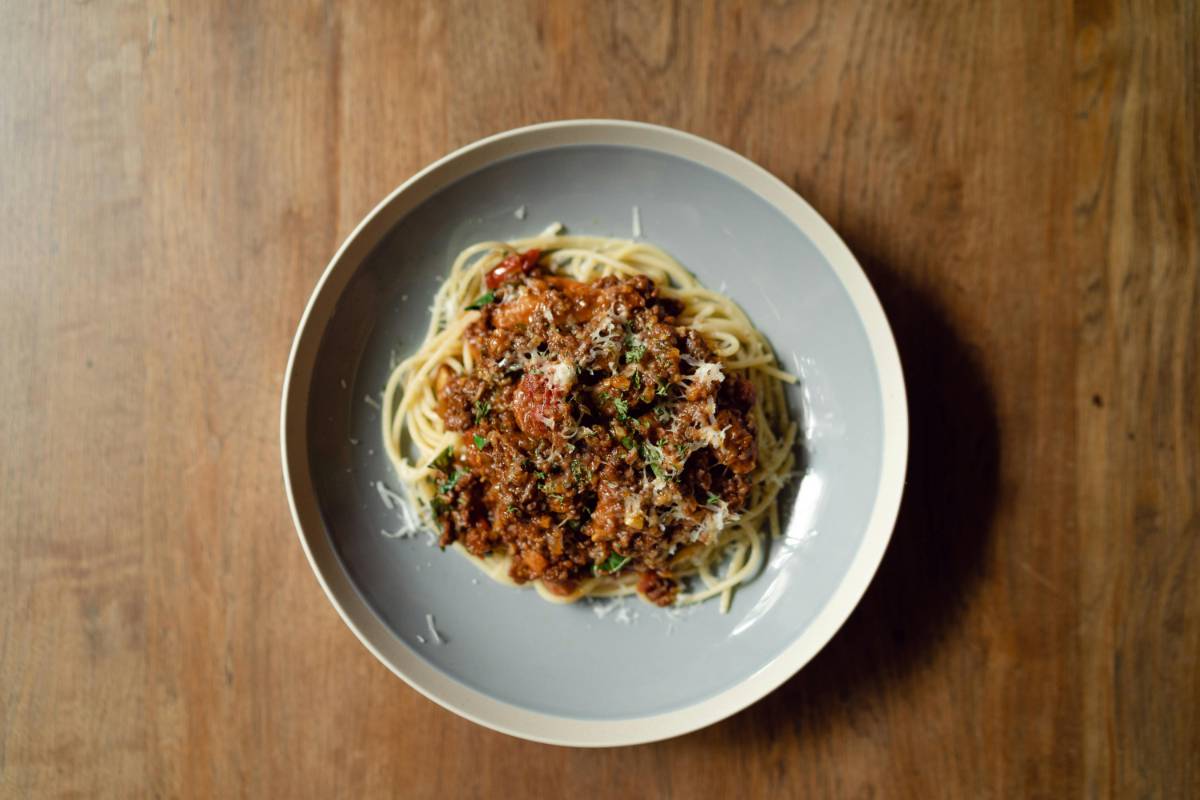
Vitamins: Vitamins play a crucial role in metabolism and overall health. B vitamins are involved in converting food into energy, while vitamin D supports bone health and may influence weight regulation. Vitamin C can aid in fat metabolism and support a healthy immune system. Ensure a balanced intake of these vitamins through a varied diet rich in fruits, vegetables, and whole grains.
Minerals: Minerals like calcium, magnesium, and potassium are important for maintaining bodily functions and supporting weight management. Calcium and magnesium are involved in muscle function and may aid in fat metabolism, while potassium helps regulate fluid balance and prevent bloating. Incorporate mineral-rich foods like leafy greens, nuts, seeds, and dairy products into your diet.

Creating a Balanced Diet
To support weight loss effectively, it's important to create a balanced diet that includes a variety of nutrients. Here are some tips for developing a nutrition plan that aligns with your weight loss goals:
1. Portion Control: Be mindful of portion sizes to manage calorie intake while ensuring you’re getting adequate macronutrients and micronutrients. Use smaller plates and measure servings to avoid overeating.

2. Meal Planning: Plan your meals and snacks in advance to ensure you’re incorporating a variety of nutrient-dense foods. Preparing meals ahead of time can help you avoid unhealthy choices and stay on track with your weight loss goals.
3. Hydration: Staying hydrated is crucial for overall health and weight management. Drinking plenty of water can help control hunger and support metabolic processes. Aim for at least 8 glasses of water a day.

4. Balanced Meals: Include a mix of proteins, healthy fats, and complex carbohydrates in each meal to promote satiety and provide sustained energy. Aim for meals that are rich in vegetables, lean proteins, and whole grains.
5. Mindful Eating: Pay attention to hunger and fullness cues to avoid overeating. Eating mindfully involves savoring your food, eating slowly, and being aware of portion sizes. This practice can help you make better food choices and improve digestion.
6. Nutrient-Dense Choices: Opt for foods that are rich in nutrients but lower in empty calories. Fresh fruits, vegetables, whole grains, lean proteins, and healthy fats should form the basis of your diet.
By focusing on balanced nutrition and incorporating a variety of nutrients into your diet, you can support your weight loss goals and improve overall health. Remember that sustainable weight loss involves making long-term changes to your eating habits and lifestyle. Prioritize nutrient-dense foods, practice portion control, and stay hydrated to achieve and maintain your weight loss objectives.
Trending Around the Web
About the Author
Prince Matthews
Prince Matthews is a passionate health and wellness advocate, with a deep understanding of the challenges modern parents face. With a focus on holistic well-being, Prince Matthews aims to empower mothers and families with practical tips, science-backed advice, and inspiring stories to promote a healthy lifestyle. Whether it's nutrition, fitness, mental health, or parenting, Prince Matthews is committed to making health and wellness approachable and accessible for every SuperMoomy reader.
MORE ARTICLES

4 min read | 12 Apr 2025
How to Improve Your Oral Hygiene Routine
Maintaining good oral hygiene is crucial for overall health and well-being. A proper oral hygiene routine can help prevent dental issues such as cavities, gum disease, and bad breath. Here are some effective strategies to improve your oral hygiene routine and keep your smile healthy.

5 min read | 11 Apr 2025
The Benefits of Facial Massages for Anti-Aging
Facial massages are a popular and effective method for promoting youthful and radiant skin. Regular facial massages can offer numerous anti-aging benefits, enhancing the overall appearance and health of your skin. Here’s how incorporating facial massages into your skincare routine can help combat signs of aging.

4 min read | 10 Apr 2025
How to Keep Your Nails Healthy and Strong
Maintaining healthy and strong nails is essential for both aesthetics and overall hand health. Whether you’re looking to prevent breakage, promote growth, or just keep your nails looking their best, there are several practices you can follow. Here are some effective tips for keeping your nails healthy and strong.

2 min read | 09 Apr 2025
Self-Care for Busy Professionals: Simple Steps to Feel Refreshed
For busy professionals, finding time for self-care can be a challenge. However, incorporating simple self-care practices into your routine is essential for maintaining your well-being and staying refreshed. Here are some effective and manageable steps to help you prioritize self-care despite a busy schedule.

5 min read | 08 Apr 2025
Men's Skincare: Essential Tips for a Clear Complexion
Skincare is not just for women; men also need to pay attention to their skin to maintain a clear and healthy complexion. Establishing a consistent skincare routine can make a significant difference in the appearance and health of your skin. Here are some essential tips for men to achieve a clear and vibrant complexion.

4 min read | 07 Apr 2025
The Role of Hydration in Personal Care
Hydration plays a crucial role in personal care and overall health. Proper hydration supports numerous bodily functions and contributes to the health and appearance of your skin, hair, and nails. Here’s an in-depth look at how hydration impacts personal care and why it should be a priority in your daily routine.
RECENT POSTS
1
Tips for Eating Balanced on a Budget
4 min read | 23 Jan 20252
The Role of Portion Sizes in a Balanced Diet
2 min read | 22 Jan 20253
Common Myths About Balanced Diets Debunked
5 min read | 21 Jan 20254
Balancing Nutrients for Different Life Stages
3 min read | 20 Jan 20255
How to Create a Balanced Meal Plan
3 min read | 19 Jan 20256
Essential Micronutrients and Their Sources
2 min read | 18 Jan 2025MORE POSTS

The Benefits of Using Natural Fragrances
3 min read | 04 Mar 2025
How to Store Perfume Properly
3 min read | 03 Mar 2025
The Art of Layering Scents
4 min read | 02 Mar 2025
Top Fragrance Notes for Each Season
5 min read | 01 Mar 2025
How to Make Your Perfume Last Longer
2 min read | 28 Feb 2025