How to Make Your Perfume Last Longer

 By Sayan Gosh |
 2 min read
|28 Feb 2025Making your perfume last longer can be a challenge, especially with the variety of factors that can affect its longevity. From application techniques to storage methods, there are several strategies you can use to extend the life of your fragrance throughout the day. This article provides practical tips to help you get the most out of your favorite perfumes.

Apply to Moisturized Skin
The condition of your skin plays a crucial role in how long your perfume lasts:
Moisturize Before Applying: Apply an unscented moisturizer or body lotion to your skin before spraying your perfume. Well-moisturized skin can help hold onto fragrance better than dry skin.
Use Fragrance-Enhancing Products: Consider using matching body lotions or shower gels from the same fragrance line. These products can enhance the longevity of your perfume by creating a layered scent experience.

Apply to Pulse Points
Pulse points are areas where blood vessels are closest to the skin’s surface:
Focus on Key Areas: Apply your perfume to pulse points such as your wrists, neck, behind your ears, and the inside of your elbows. The warmth of these areas helps to diffuse the fragrance and make it last longer.
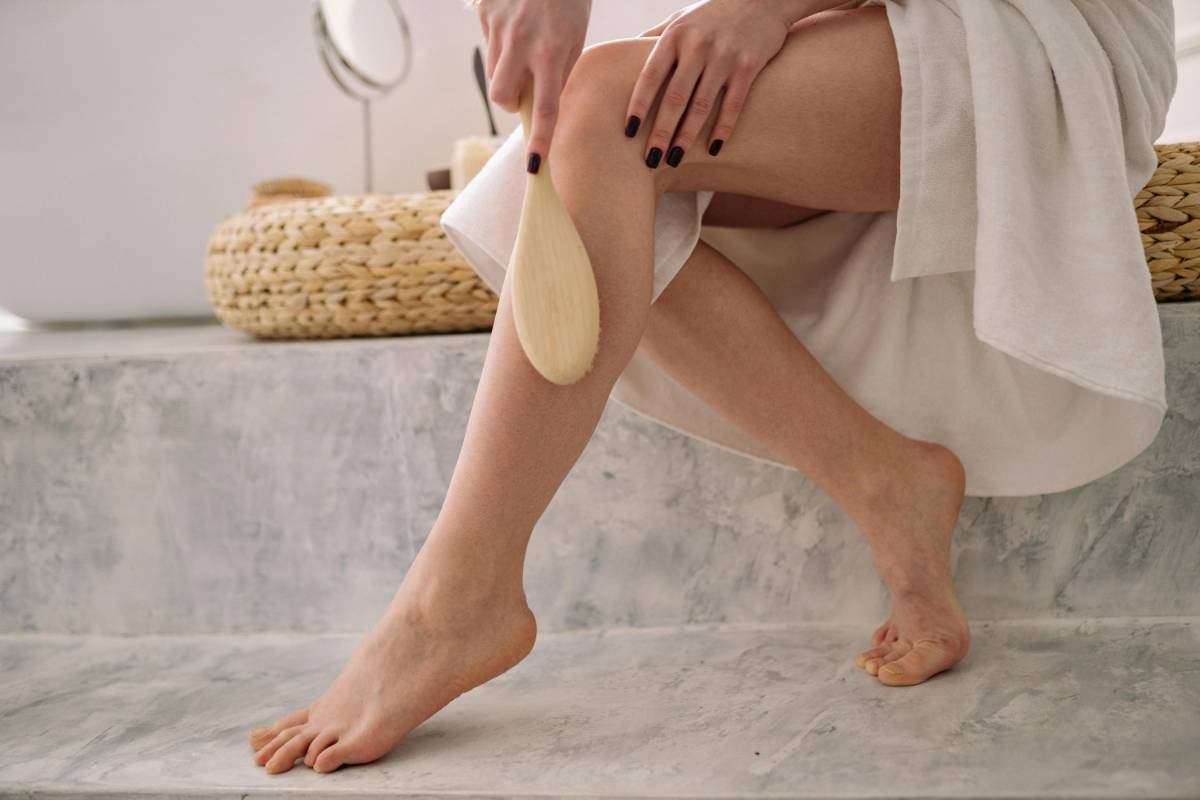
Avoid Rubbing: After applying, avoid rubbing your wrists together, as this can break down the fragrance molecules and reduce the scent’s longevity.
Use a Fragrance Primer

Fragrance primers can help improve the staying power of your perfume:
Apply a Fragrance Primer: Consider using a fragrance primer or base designed to extend the life of your perfume. These products can help create a barrier that holds the scent in place.
Layer Your Fragrance: Layering your perfume with complementary scented products can enhance its longevity. Start with a scented body wash or lotion and finish with your perfume for a longer-lasting effect.

Store Properly
Proper storage of your perfume can help maintain its potency:

Keep Away from Heat and Light: Store your perfume in a cool, dark place away from direct sunlight and heat sources. Exposure to heat and light can break down fragrance compounds and alter the scent.
Avoid Humidity: Keep your perfume away from humid environments, as moisture can affect the integrity of the fragrance. Store it in a dry area to preserve its quality.
Choose Long-Lasting Scents
Some fragrances naturally last longer than others:
Opt for EDP Over EDT: Eau de Parfums (EDP) generally have a higher concentration of fragrance oils compared to Eau de Toilettes (EDT), resulting in a longer-lasting scent. Consider choosing EDP for extended wear.

Select Stronger Fragrances: Fragrances with base notes like musk, amber, or sandalwood tend to last longer on the skin. Look for perfumes with these notes for improved longevity.
Reapply Strategically
If necessary, reapply your perfume during the day to maintain its presence:
Carry a Travel Size: Keep a travel-sized bottle of your perfume with you for quick touch-ups throughout the day. This allows you to refresh your scent as needed.
Apply Sparingly: When reapplying, use a light hand to avoid overwhelming your senses. A few spritzes on your pulse points can be sufficient to revive the fragrance.
By following these tips, you can enhance the longevity of your perfume and enjoy its captivating aroma throughout the day. From proper application and storage to choosing the right products, these strategies will help you make the most of your fragrance and leave a lasting impression.
Trending Around the Web
About the Author
Sayan Gosh
Sayan Gosh is a passionate health and wellness advocate, with a deep understanding of the challenges modern parents face. With a focus on holistic well-being, Sayan Gosh aims to empower mothers and families with practical tips, science-backed advice, and inspiring stories to promote a healthy lifestyle. Whether it's nutrition, fitness, mental health, or parenting, Sayan Gosh is committed to making health and wellness approachable and accessible for every SuperMoomy reader.
MORE ARTICLES

4 min read | 28 Feb 2025
Avocados, Nuts, and Seeds: Your Sources of Healthy Fats
Incorporating healthy fats into your diet is crucial for overall well-being, and some of the best sources of these fats are avocados, nuts, and seeds. These nutrient-dense foods provide a variety of health benefits, including supporting heart health, improving brain function, and aiding in weight management. This article will explore the benefits of avocados, nuts, and seeds, and how you can include them in your daily diet for optimal health.
3 min read | 27 Feb 2025
How to Choose Healthy Cooking Oils
Choosing the right cooking oil is crucial for maintaining a healthy diet and enhancing the flavor of your meals. With so many options available, it can be challenging to determine which oils are best suited for your cooking needs. This article will guide you through the different types of cooking oils, their health benefits, and how to choose the healthiest options for your kitchen.

2 min read | 26 Feb 2025
The Benefits of Omega-3 Fatty Acids
Omega-3 fatty acids are essential fats that play a crucial role in maintaining overall health. Unlike some fats that can be harmful to the body, omega-3s offer a wide range of benefits, from supporting heart health to improving brain function. In this article, we’ll explore the many advantages of incorporating omega-3 fatty acids into your diet and how they contribute to a healthier lifestyle.

4 min read | 25 Feb 2025
Understanding Healthy Fats: Monounsaturated and Polyunsaturated
Fats are an essential part of a healthy diet, but not all fats are created equal. While some fats can be harmful to your health, others are incredibly beneficial. Two types of healthy fats that play a crucial role in maintaining overall health are monounsaturated fats (MUFAs) and polyunsaturated fats (PUFAs). In this article, we’ll explore the importance of these healthy fats, their sources, and how to incorporate them into your diet.

2 min read | 24 Feb 2025
Tips for Incorporating More Fiber into Every Meal
Incorporating more fiber into your daily diet is one of the simplest yet most impactful ways to improve your overall health. Fiber plays a crucial role in digestive health, helps regulate blood sugar levels, lowers cholesterol, and can even aid in weight management. Despite its importance, many people struggle to consume enough fiber each day. In this article, we’ll explore practical tips for increasing your fiber intake at every meal, making it easier to reap the benefits of this essential nutrient.
4 min read | 23 Feb 2025
Fiber and Heart Health: What You Need to Know
Fiber is often celebrated for its benefits to digestive health, but its impact on heart health is equally significant. A diet rich in fiber can contribute to reducing the risk of heart disease, managing cholesterol levels, and maintaining overall cardiovascular health. In this article, we’ll explore how fiber supports heart health, the types of fiber that are most beneficial, and practical ways to incorporate more fiber into your diet.
RECENT POSTS
1
Understanding Macronutrients and Micronutrients for Weight Loss
4 min read | 16 Jan 20252
The Role of Nutrition in Supporting Your Workout Routine
4 min read | 16 Apr 20253
Seasonal Workout Routines to Keep Your Fitness Fresh
4 min read | 15 Apr 20254
How to Avoid Common Mistakes in Your Workout Routine
2 min read | 14 Apr 20255
Effective Core Workouts for Strength and Stability
4 min read | 13 Apr 20256
How to Include Functional Training in Your Fitness Regimen
3 min read | 12 Apr 2025MORE POSTS

The Science Behind HIIT and Its Benefits
3 min read | 19 Feb 2025
How to Incorporate HIIT into Your Existing Workout Routine
2 min read | 18 Feb 2025
HIIT Workouts for Burning Fat Quickly
5 min read | 17 Feb 2025
Creating a Beginner-Friendly HIIT Routine
4 min read | 16 Feb 2025
What is HIIT and Why is it Effective?
5 min read | 15 Feb 2025