The Difference Between Eau de Parfum and Eau de Toilette
 By Lewis Adam |
 2 min read
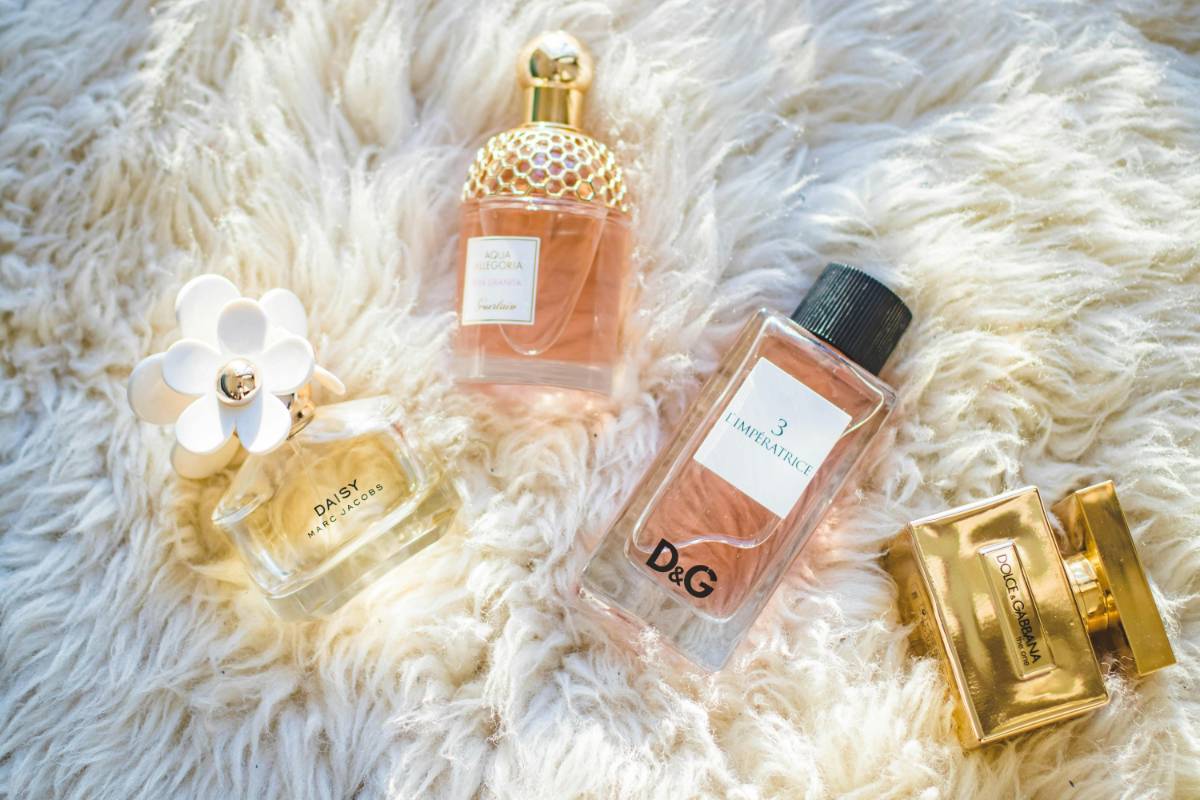
|27 Feb 2025When selecting a fragrance, you’ll encounter terms like Eau de Parfum (EDP) and Eau de Toilette (EDT). These terms refer to different types of fragrance concentrations, each with its own characteristics. Understanding the difference between Eau de Parfum and Eau de Toilette can help you choose the right scent for your needs and preferences. This article breaks down the key differences between these two popular types of fragrances.

Fragrance Concentration
The primary distinction between Eau de Parfum and Eau de Toilette lies in their concentration of fragrance oils:
Eau de Parfum: EDP typically contains a higher concentration of fragrance oils, ranging from 15% to 20%. This higher concentration results in a more intense and long-lasting scent.
Eau de Toilette: EDT usually has a lower concentration of fragrance oils, ranging from 5% to 15%. As a result, it tends to have a lighter, more subtle fragrance compared to EDP.

Longevity and Sillage
Longevity and sillage are important factors to consider when choosing between EDP and EDT:
Eau de Parfum: Due to its higher concentration, EDP generally lasts longer on the skin, often up to 8 hours or more. It also has a stronger sillage, meaning it leaves a more pronounced scent trail.

Eau de Toilette: EDT tends to have a shorter wear time, typically lasting around 4 to 6 hours. Its lighter sillage means it may not project as strongly or linger as long as EDP.
Fragrance Intensity and Usage

The intensity and usage of EDP and EDT can affect your choice:
Eau de Parfum: EDP is often preferred for evening wear, special occasions, or when you want a more intense and enduring fragrance. Its richer composition makes it suitable for cooler weather or formal settings.
Eau de Toilette: EDT is ideal for daytime wear, casual settings, or warmer weather. Its lighter, fresher scent is less overwhelming and can be more versatile for daily use.
Price Considerations
The price of Eau de Parfum and Eau de Toilette can vary based on their concentration:
Eau de Parfum: EDP is generally more expensive due to its higher concentration of fragrance oils and longer-lasting properties. The cost reflects the intensity and quality of the scent.
Eau de Toilette: EDT is typically more affordable, making it a cost-effective option for those who prefer a lighter fragrance or want to experiment with different scents.
Choosing Between Eau de Parfum and Eau de Toilette
Your choice between EDP and EDT depends on personal preferences and specific needs:
Consider Your Preferences: If you enjoy a strong, long-lasting fragrance that makes a statement, EDP may be the better choice. If you prefer a lighter, more casual scent, EDT might be more suitable.
Evaluate Your Lifestyle: Think about when and where you’ll be wearing the fragrance. EDP is great for special occasions, while EDT is perfect for everyday wear.
Understanding the differences between Eau de Parfum and Eau de Toilette can help you make an informed decision when selecting a fragrance. By considering factors like concentration, longevity, intensity, and price, you can choose the type of fragrance that best suits your style and needs. Whether you opt for the richness of EDP or the freshness of EDT, both offer unique qualities to enhance your personal scent experience.
Trending Around the Web
About the Author
Lewis Adam
Lewis Adam is a passionate health and wellness advocate, with a deep understanding of the challenges modern parents face. With a focus on holistic well-being, Lewis Adam aims to empower mothers and families with practical tips, science-backed advice, and inspiring stories to promote a healthy lifestyle. Whether it's nutrition, fitness, mental health, or parenting, Lewis Adam is committed to making health and wellness approachable and accessible for every SuperMoomy reader.
MORE ARTICLES

4 min read | 28 Jan 2025
The Psychology of Portion Sizes
Portion sizes play a significant role in shaping our eating behaviors and influencing our overall health. The psychology behind portion sizes reveals how our perceptions and habits can impact how much we eat, even when we're not hungry. Understanding these psychological factors can help us make more informed choices about portion sizes and develop healthier eating habits. This article explores the psychology of portion sizes, how they affect our eating behaviors, and strategies for managing portion sizes effectively.
2 min read | 27 Jan 2025
Using Portion Control Plates and Tools
Portion control is a crucial aspect of maintaining a balanced diet and managing weight effectively. Utilizing portion control plates and tools can simplify the process of measuring and managing food portions, making it easier to adhere to nutritional goals and prevent overeating. This article explores the benefits of using portion control plates and tools, provides practical tips on how to use them effectively, and highlights some common options available to support your portion control efforts.
4 min read | 26 Jan 2025
Portion Control for Weight Management
Portion control is a critical component of effective weight management. It involves regulating the amount of food consumed during each meal to help maintain a healthy weight and support overall health. Understanding and implementing portion control can prevent overeating, ensure balanced nutrition, and assist in achieving weight-related goals. This article explores the importance of portion control for weight management, practical strategies to implement it, and common pitfalls to avoid.
4 min read | 25 Jan 2025
How to Measure Portion Sizes at Home
Measuring portion sizes accurately is a crucial step in maintaining a balanced diet and managing calorie intake. Proper portion control helps you enjoy a variety of foods while ensuring you meet your nutritional goals. By measuring portion sizes at home, you can better manage your food intake, avoid overeating, and maintain a healthy lifestyle. This article provides practical tips and techniques for measuring portion sizes effectively at home.

3 min read | 24 Jan 2025
The Science Behind Portion Control
Portion control is a fundamental aspect of maintaining a balanced diet and achieving overall health. It involves managing the amount of food consumed to ensure nutritional needs are met without overeating. The science behind portion control reveals how our body processes food, the factors influencing hunger and satiety, and practical strategies for effective portion management. This article delves into the scientific principles of portion control and how it can support a healthier lifestyle.

4 min read | 23 Jan 2025
Tips for Eating Balanced on a Budget
Eating a balanced diet is essential for maintaining good health, but it can sometimes seem challenging when working with a tight budget. Fortunately, it is possible to eat healthily without overspending. By planning meals, making smart food choices, and using effective shopping strategies, you can enjoy a nutritious diet while keeping costs down. This article provides practical tips for eating balanced on a budget.
RECENT POSTS
1
How Reducing Sugar Can Improve Your Energy Levels
4 min read | 10 Mar 20252
The Role of Natural Sweeteners in a Healthy Diet
2 min read | 09 Mar 20253
Tips for Reducing Sugar in Your Diet
3 min read | 08 Mar 20254
Sugar Substitutes: What’s Safe and What’s Not?
4 min read | 07 Mar 20255
How to Read Nutrition Labels for Added Sugars
2 min read | 06 Mar 20256
The Health Risks of Excess Sugar Consumption
3 min read | 05 Mar 2025MORE POSTS
How to Balance Salt and Flavor in Your Meals
5 min read | 19 Mar 2025
The Impact of Salt on Blood Pressure
4 min read | 18 Mar 2025
Tips for Eating Out While Watching Your Sodium Intake
3 min read | 17 Mar 2025
Low-Sodium Alternatives and Substitutes
2 min read | 16 Mar 2025
Understanding the Sodium Content in Processed Foods
5 min read | 15 Mar 2025