The Ultimate Full-Body Workout Routine for Beginners

 By Lewis Adam |
 2 min read
|06 Apr 2025Starting a workout routine can be both exciting and overwhelming, especially if you’re new to fitness. A full-body workout routine is an excellent way for beginners to build strength, improve endurance, and establish a solid foundation for more advanced exercises. Here’s a comprehensive guide to a full-body workout routine designed specifically for beginners.

Why a Full-Body Workout?
A full-body workout targets all major muscle groups in a single session. This approach is beneficial for beginners because it helps to build overall strength and endurance, promotes balanced muscle development, and allows for more frequent training sessions. Additionally, full-body workouts are time-efficient and can be adjusted to fit various fitness levels.
Warm-Up
Warming up before your workout is essential for preparing your body and reducing the risk of injury. Spend 5-10 minutes performing light cardio exercises such as brisk walking, jogging, or jumping jacks. Follow this with dynamic stretches like leg swings and arm circles to increase blood flow and flexibility.

The Workout Routine
Here’s a sample full-body workout routine for beginners. Perform each exercise with proper form and control, and aim to complete 2-3 sets of 10-12 repetitions per exercise. Rest for 30-60 seconds between sets.
1. Squats

Squats are a great exercise for targeting the legs, glutes, and core. Stand with your feet shoulder-width apart and lower your body by bending your knees and hips, keeping your back straight. Return to the starting position and repeat.
2. Push-Ups
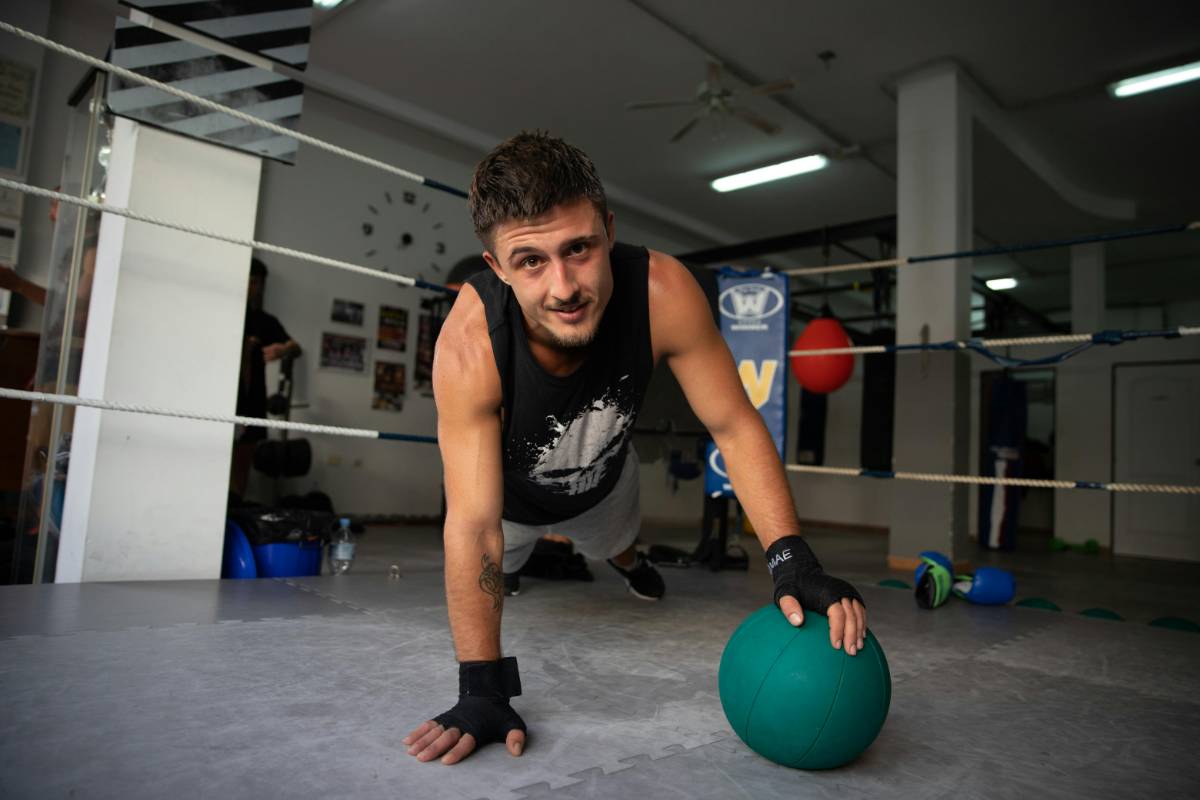
Push-ups work the chest, shoulders, and triceps. Start in a plank position with your hands placed slightly wider than shoulder-width apart. Lower your body until your chest nearly touches the ground, then push back up to the starting position. Modify by performing push-ups on your knees if needed.
3. Bent-Over Rows
Bent-over rows target the back, biceps, and core. Hold a dumbbell in each hand with your palms facing your body. Bend at the waist with a slight bend in your knees, keeping your back straight. Pull the dumbbells toward your hips, squeezing your shoulder blades together, then lower them back down.

4. Lunges
Lunges work the legs and glutes. Stand with your feet hip-width apart and step forward with one foot, lowering your hips until both knees are bent at a 90-degree angle. Push off the front foot to return to the starting position and repeat with the other leg.

5. Plank
The plank is an excellent core exercise that also engages the shoulders and back. Start in a forearm plank position with your elbows directly under your shoulders and your body in a straight line. Hold this position for 20-30 seconds, focusing on keeping your core tight.
6. Dumbbell Shoulder Press
The shoulder press targets the shoulders and triceps. Sit or stand with a dumbbell in each hand at shoulder height. Press the dumbbells overhead until your arms are fully extended, then lower them back to shoulder height.
Cool Down

Cooling down after your workout helps to reduce muscle soreness and aid in recovery. Spend 5-10 minutes performing light cardio and static stretches, focusing on the muscles you worked during your session. Stretching your legs, arms, and back can help improve flexibility and prevent stiffness.
Tips for Beginners
Here are some additional tips to help you get the most out of your full-body workout routine:
1. Focus on Form: Proper form is crucial for preventing injuries and ensuring that you’re targeting the right muscles. Take the time to learn the correct technique for each exercise, and consider working with a personal trainer if you’re unsure.
2. Start Slow: Begin with lighter weights and fewer sets if you’re new to strength training. Gradually increase the weight and intensity as you become more comfortable and confident.
3. Stay Consistent: Consistency is key to achieving fitness goals. Aim to complete your full-body workout 2-3 times per week, allowing at least one rest day between sessions.
4. Listen to Your Body: Pay attention to how your body feels during and after workouts. If you experience pain or discomfort, take a break and modify the exercise if needed. It’s important to listen to your body and avoid overtraining.
5. Hydrate and Fuel Up: Stay hydrated before, during, and after your workout. Eating a balanced meal or snack with protein and carbohydrates can help fuel your workout and aid in recovery.
In conclusion, a full-body workout routine is an excellent way for beginners to build strength, improve fitness, and establish a solid foundation for future training. By incorporating these exercises into your routine and following the provided tips, you can effectively work toward your fitness goals and enjoy the benefits of a well-rounded workout program.
Trending Around the Web
About the Author
Lewis Adam
Lewis Adam is a passionate health and wellness advocate, with a deep understanding of the challenges modern parents face. With a focus on holistic well-being, Lewis Adam aims to empower mothers and families with practical tips, science-backed advice, and inspiring stories to promote a healthy lifestyle. Whether it's nutrition, fitness, mental health, or parenting, Lewis Adam is committed to making health and wellness approachable and accessible for every SuperMoomy reader.
MORE ARTICLES

5 min read | 04 Feb 2025
How to Track Your Cardio Fitness Progress
Tracking your cardio fitness progress is essential for understanding how well you’re doing and making necessary adjustments to your routine. Whether you’re a beginner or an experienced athlete, monitoring your progress helps you stay motivated, set achievable goals, and improve your overall fitness. In this article, we’ll explore various methods and tools for tracking your cardio fitness progress and provide tips on how to effectively use them.
4 min read | 03 Feb 2025
Cardio Workouts That Don’t Require Equipment
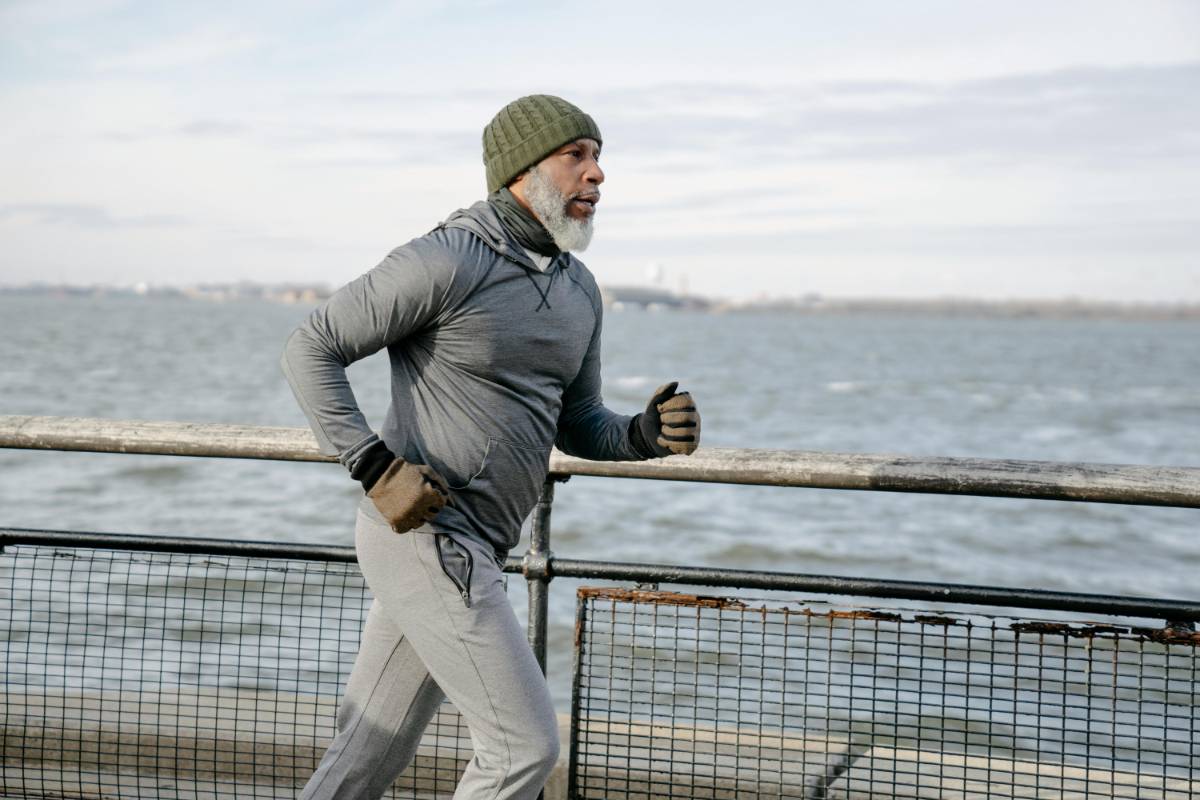
Cardio workouts are essential for improving cardiovascular health, burning calories, and boosting overall fitness. The good news is that you don’t need fancy equipment to get an effective cardio workout. There are plenty of exercises you can do with just your body weight that can provide an excellent cardiovascular challenge. In this article, we’ll explore a variety of cardio workouts that don’t require any equipment, making it easy to stay fit from the comfort of your home or outdoors.

4 min read | 02 Feb 2025
How to Choose the Right Cardio Equipment for Home Workouts
Choosing the right cardio equipment for home workouts can significantly impact your exercise routine and overall fitness. With a variety of options available, it’s essential to select equipment that aligns with your fitness goals, space, and budget. In this article, we’ll explore the factors to consider when choosing cardio equipment for home workouts and review popular options to help you make an informed decision.
4 min read | 01 Feb 2025
The Benefits of Steady-State vs. Interval Cardio
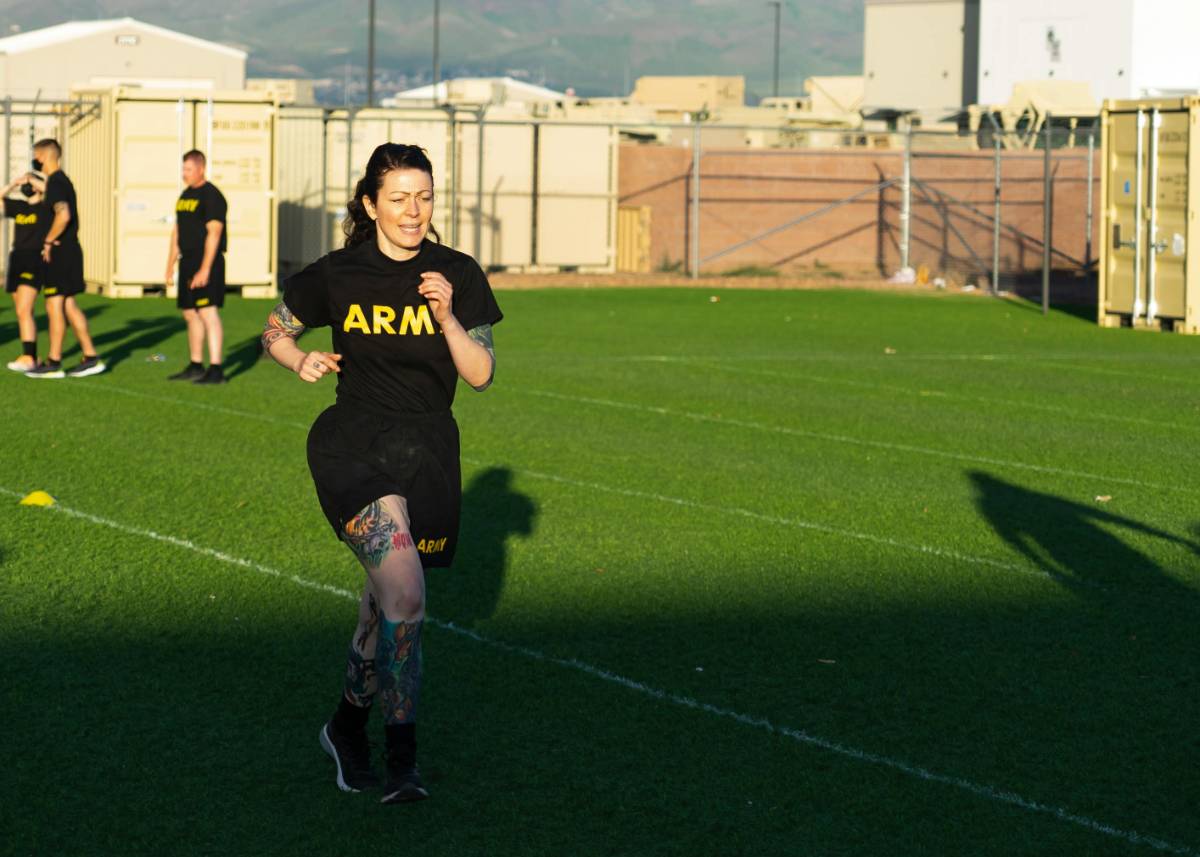
Cardiovascular exercise is a key component of a balanced fitness routine, and two popular types of cardio are steady-state and interval training. Both methods have their unique benefits and can contribute to overall fitness and health in different ways. In this article, we’ll explore the benefits of steady-state cardio and interval cardio, compare the two approaches, and help you determine which might be best suited for your fitness goals.
3 min read | 31 Jan 2025
High-Intensity Cardio Workouts for Busy Schedules
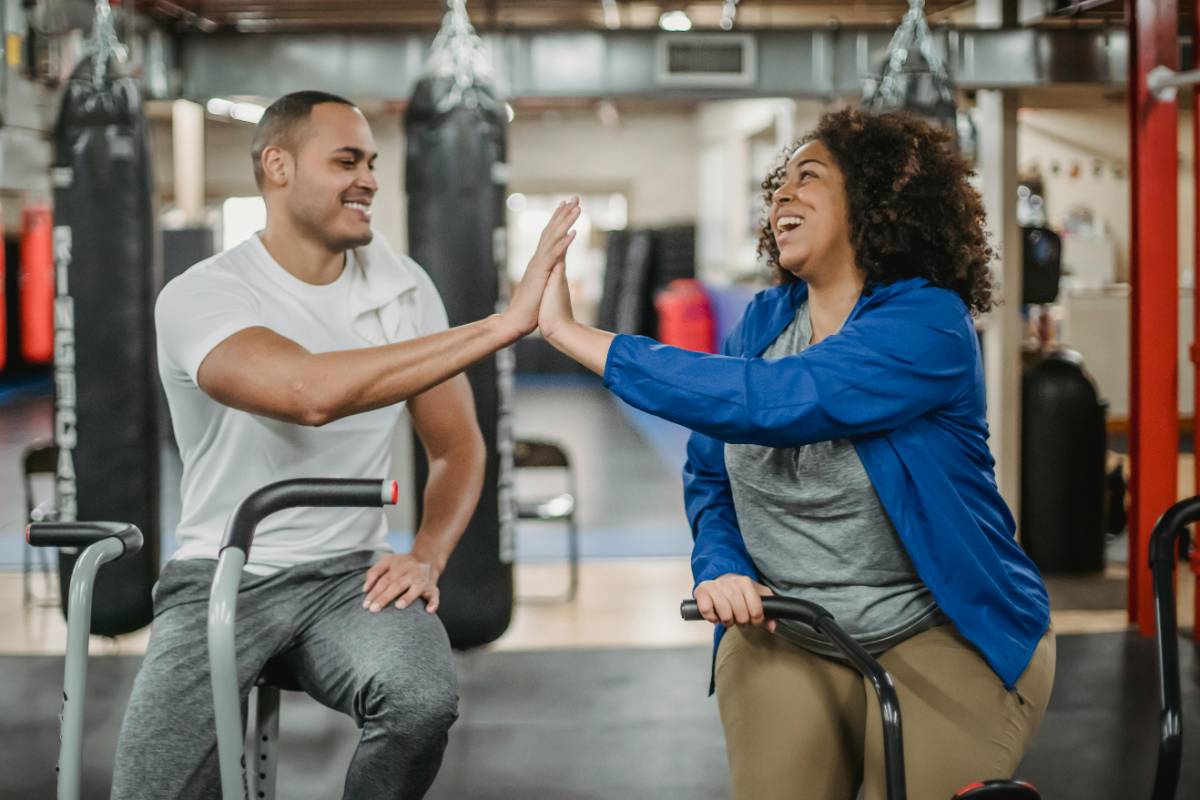
In today’s fast-paced world, finding time to fit in a workout can be challenging. High-Intensity Cardio Workouts (HIIT) offer an efficient solution for those with busy schedules. These workouts are designed to maximize calorie burn and cardiovascular benefits in a shorter amount of time compared to traditional cardio. In this article, we’ll explore effective HIIT workouts that can be completed quickly and efficiently, allowing you to stay fit even with a hectic lifestyle.
2 min read | 30 Jan 2025
The Role of Cardio in Weight Loss
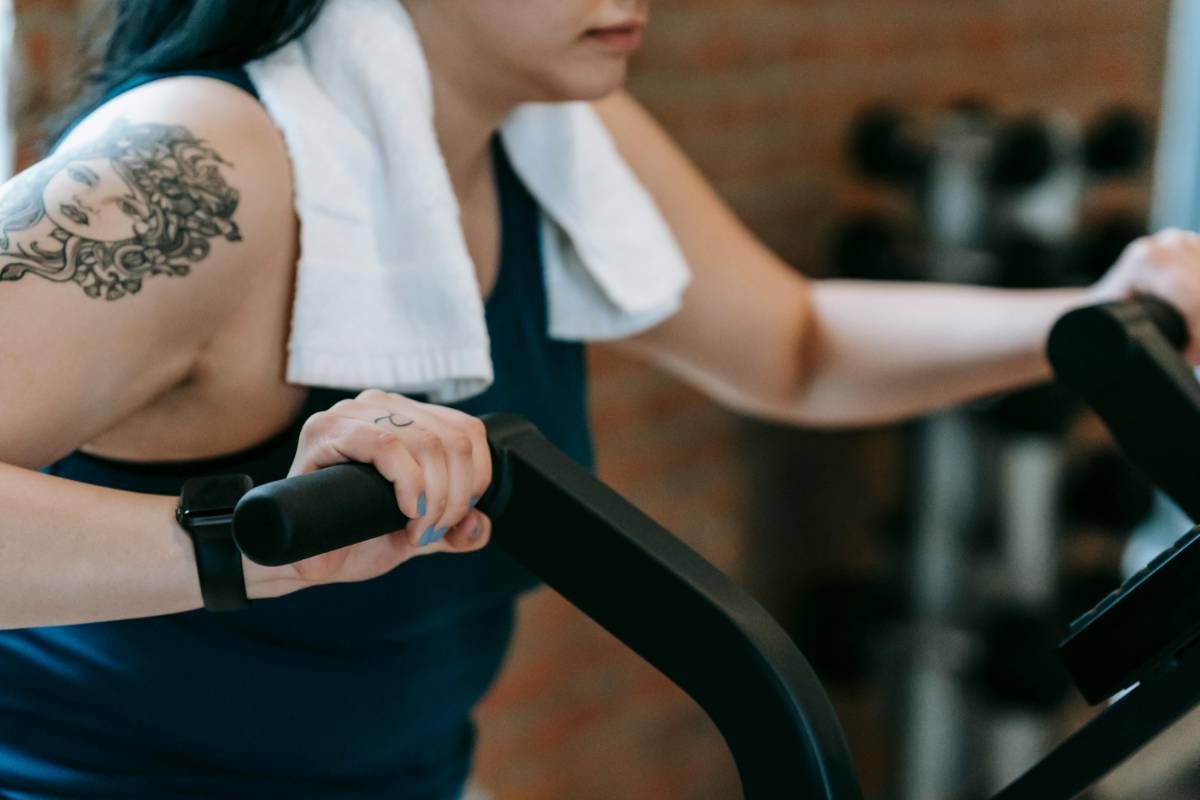
Cardiovascular exercise, commonly known as cardio, is a fundamental component of many weight loss programs. It involves activities that increase your heart rate and improve circulation, leading to increased calorie burn. Understanding the role of cardio in weight loss can help you create an effective fitness strategy and achieve your weight loss goals. In this article, we'll explore how cardio contributes to weight loss, the different types of cardio, and how to integrate it into a balanced fitness routine.
RECENT POSTS
1
Portion Control Tips to Avoid Overeating
3 min read | 12 Apr 20252
Vegan and Vegetarian Protein Sources for a Balanced Diet
4 min read | 11 Apr 20253
Healthy Eating for Weight Loss: What You Need to Know
4 min read | 10 Apr 20254
The Importance of Balanced Macronutrients in Your Diet
5 min read | 09 Apr 20255
How to Read Food Labels for a Healthier Diet
3 min read | 08 Apr 20256
Simple Ways to Reduce Sugar Intake Without Sacrificing Taste
4 min read | 07 Apr 2025MORE POSTS

How to Meal Prep for a Week of Healthy Eating
5 min read | 08 Mar 2025
The Basics of a Balanced Diet: What You Need to Know
3 min read | 07 Mar 2025
How to Create a Nighttime Routine for Better Sleep and Skin Health
3 min read | 06 Mar 2025
Understanding the Basics of Oral Hygiene
3 min read | 05 Mar 2025
The Role of Hydration in Personal Care
5 min read | 04 Mar 2025