Understanding Serving Sizes vs. Portion Sizes
 By Neha Jain |
 2 min read
|29 Jan 2025Understanding the difference between serving sizes and portion sizes is crucial for effective portion control and maintaining a balanced diet. While these terms are often used interchangeably, they have distinct meanings and implications for managing food intake. This article will clarify the differences between serving sizes and portion sizes, their importance in nutrition, and how to use this knowledge to make healthier food choices.

Serving Sizes vs. Portion Sizes
Serving Sizes: Serving sizes are standardized quantities of food defined by nutrition guidelines and food labeling regulations. They represent the recommended amount of a food item that is typically consumed in one sitting. Serving sizes are used to provide nutritional information and help individuals understand how much of a food item is considered a single serving. Serving sizes are often specified on nutrition labels, packaging, and dietary guidelines. They help consumers gauge the amount of nutrients and calories they are consuming.
Portion Sizes: Portion sizes, on the other hand, refer to the actual amount of food served or consumed during a meal. Portion sizes can vary widely depending on personal preferences, cultural norms, and the specific context of a meal. Unlike serving sizes, which are standardized, portion sizes are flexible and can be influenced by factors such as hunger, appetite, and food availability. Portion sizes are determined by the individual and can differ from the recommended serving sizes.
Why Understanding the Difference Matters

Understanding the difference between serving sizes and portion sizes is important for several reasons:
Nutritional Awareness: Knowing the standard serving size of a food item helps you better understand the nutritional content of what you are consuming. This awareness allows you to make informed choices about your diet and manage your calorie and nutrient intake more effectively.
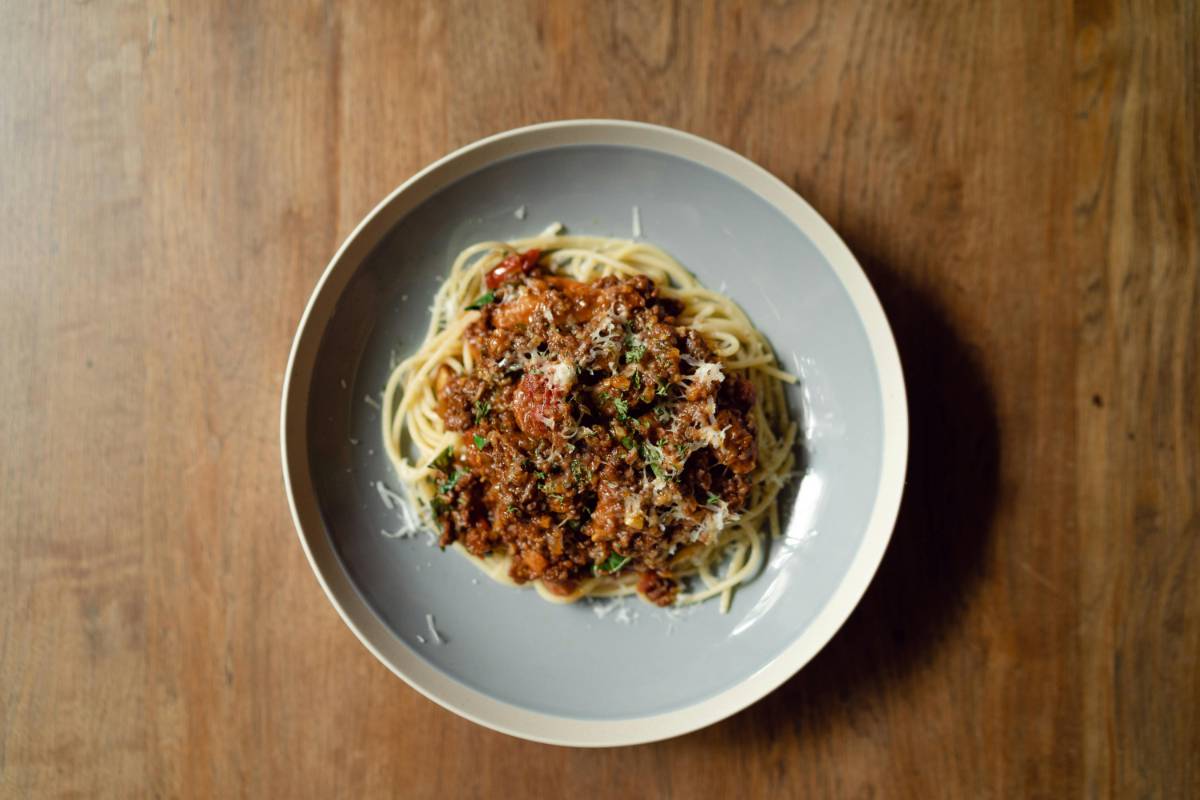
Portion Control: By recognizing the difference between serving sizes and portion sizes, you can better control the amount of food you consume. For example, if you are aware that a standard serving size of pasta is one cup, you can use this information to manage your portion sizes and avoid overeating.

Dietary Goals: If you have specific dietary goals, such as weight management or managing a medical condition, understanding serving sizes and portion sizes can help you adhere to your goals. Using standardized serving sizes as a reference can guide your portion choices and support your dietary objectives.
Practical Tips for Managing Serving Sizes and Portion Sizes

To effectively manage serving sizes and portion sizes, consider the following tips:
Check Nutrition Labels: Nutrition labels on packaged foods provide information on serving sizes, calories, and nutrients per serving. Use this information to guide your portion choices and ensure you are consuming appropriate amounts of food. Pay attention to serving sizes when reading labels to understand the nutritional content of the food you are eating.
Use Measuring Tools: Measuring cups, spoons, and food scales can help you accurately measure portion sizes and adhere to recommended serving sizes. Use these tools to portion out foods such as grains, proteins, and vegetables to ensure you are consuming the right amounts.

Be Mindful of Portions: Pay attention to the amount of food you serve yourself and consume. Practice mindful eating by focusing on hunger and fullness cues, eating slowly, and savoring each bite. Being mindful of portions helps prevent overeating and supports healthy eating habits.
Adjust Portion Sizes as Needed: Depending on your individual needs, you may need to adjust your portion sizes. For example, if you are trying to lose weight, you may need to reduce portion sizes compared to standard serving sizes. Conversely, if you are increasing physical activity, you may need to adjust portion sizes to meet your energy needs.
Understand Contextual Differences: Be aware that serving sizes and portion sizes may differ in different contexts. For example, restaurant portions are often larger than standard serving sizes. When dining out, consider sharing dishes, ordering smaller portions, or taking leftovers home to manage your portion sizes effectively.
Common Challenges and Solutions
Understanding and managing serving sizes and portion sizes can present challenges. Here are some common challenges and solutions to help you navigate them:
Overestimating Portions: It can be easy to overestimate portion sizes, especially when serving yourself from large containers or eating out. Use measuring tools and be mindful of serving sizes to ensure accurate portioning and prevent overeating.
Portion Size Bias: Portion size bias refers to the tendency to eat more when presented with larger portions. To counteract this bias, serve yourself appropriate portion sizes on smaller plates or bowls, and be mindful of hunger and fullness cues.

Inconsistent Portion Sizes: Inconsistent portion sizes can make it challenging to manage your diet effectively. Establish a routine for measuring and managing portions, and use portion control tools to maintain consistency in your food intake.
The Role of Serving Sizes and Portion Sizes in Health
Understanding and managing serving sizes and portion sizes is crucial for maintaining health and supporting overall well-being. Here’s how they impact your health:
Weight Management: Proper portion control helps regulate calorie intake and supports weight management. By adhering to recommended serving sizes and managing portion sizes, you can avoid overeating and maintain a healthy weight.
Nutritional Balance: Accurate portion sizes help ensure a balanced intake of nutrients from different food groups. By using serving sizes as a reference, you can achieve a well-rounded diet that provides essential nutrients and supports overall health.
Preventing Overeating: Understanding serving sizes and managing portion sizes effectively can help prevent overeating and reduce the risk of weight gain. By being mindful of portion sizes and practicing portion control, you can maintain a healthy eating pattern and support long-term health.
Conclusion
Understanding the difference between serving sizes and portion sizes is essential for effective portion control and maintaining a balanced diet. While serving sizes provide standardized guidelines for nutritional content, portion sizes represent the actual amount of food consumed. By recognizing this distinction and implementing strategies for managing both serving sizes and portion sizes, you can make informed food choices, support weight management, and promote overall health. Embrace the knowledge of serving sizes and portion sizes to enhance your approach to portion control and achieve your dietary goals.
Trending Around the Web
About the Author
Neha Jain
Neha Jain is a passionate health and wellness advocate, with a deep understanding of the challenges modern parents face. With a focus on holistic well-being, Neha Jain aims to empower mothers and families with practical tips, science-backed advice, and inspiring stories to promote a healthy lifestyle. Whether it's nutrition, fitness, mental health, or parenting, Neha Jain is committed to making health and wellness approachable and accessible for every SuperMoomy reader.
MORE ARTICLES

5 min read | 09 Feb 2025
The Role of Hydration in Overall Health
Hydration plays a critical role in maintaining overall health and well-being. Our bodies are composed mostly of water, and staying properly hydrated supports numerous physiological functions, including digestion, circulation, and temperature regulation. In this article, we'll explore the importance of hydration, how to ensure you're drinking enough water, and the impact of proper hydration on various aspects of health.
4 min read | 08 Feb 2025
How to Identify and Avoid Processed Foods
Processed foods have become a staple in many diets, but they often contain added sugars, unhealthy fats, and artificial ingredients that can negatively impact your health. Identifying and avoiding processed foods is an essential step toward a healthier diet. In this article, we will provide practical tips for recognizing processed foods and strategies for making healthier choices.
3 min read | 07 Feb 2025
The Environmental Benefits of Choosing Whole Foods
Choosing whole foods not only benefits your health but also has a significant positive impact on the environment. Whole foods, which include fruits, vegetables, whole grains, nuts, seeds, and lean proteins, are minimally processed and often come from sustainable farming practices. In this article, we will explore the environmental benefits of incorporating more whole foods into your diet and how these choices contribute to a healthier planet.
5 min read | 06 Feb 2025
Cooking with Whole Foods: Easy Recipes to Get Started
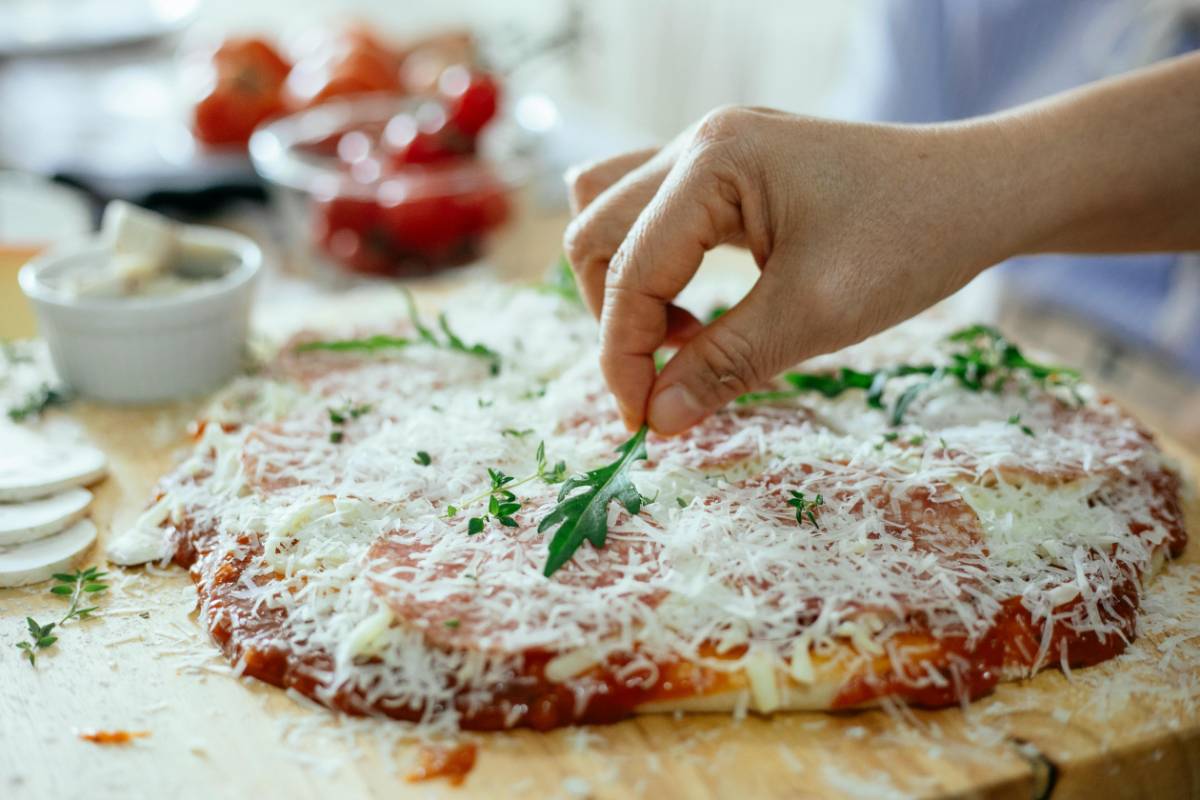
Cooking with whole foods can transform your meals into nourishing and flavorful experiences. Whole foods are minimally processed and packed with essential nutrients, making them an excellent choice for maintaining a healthy diet. If you're new to cooking with whole foods, starting with simple recipes can make the transition smoother. In this article, we'll explore easy and delicious recipes that highlight the benefits of whole foods and provide a great foundation for your culinary journey.
4 min read | 05 Feb 2025
How to Transition to a Whole Foods Diet
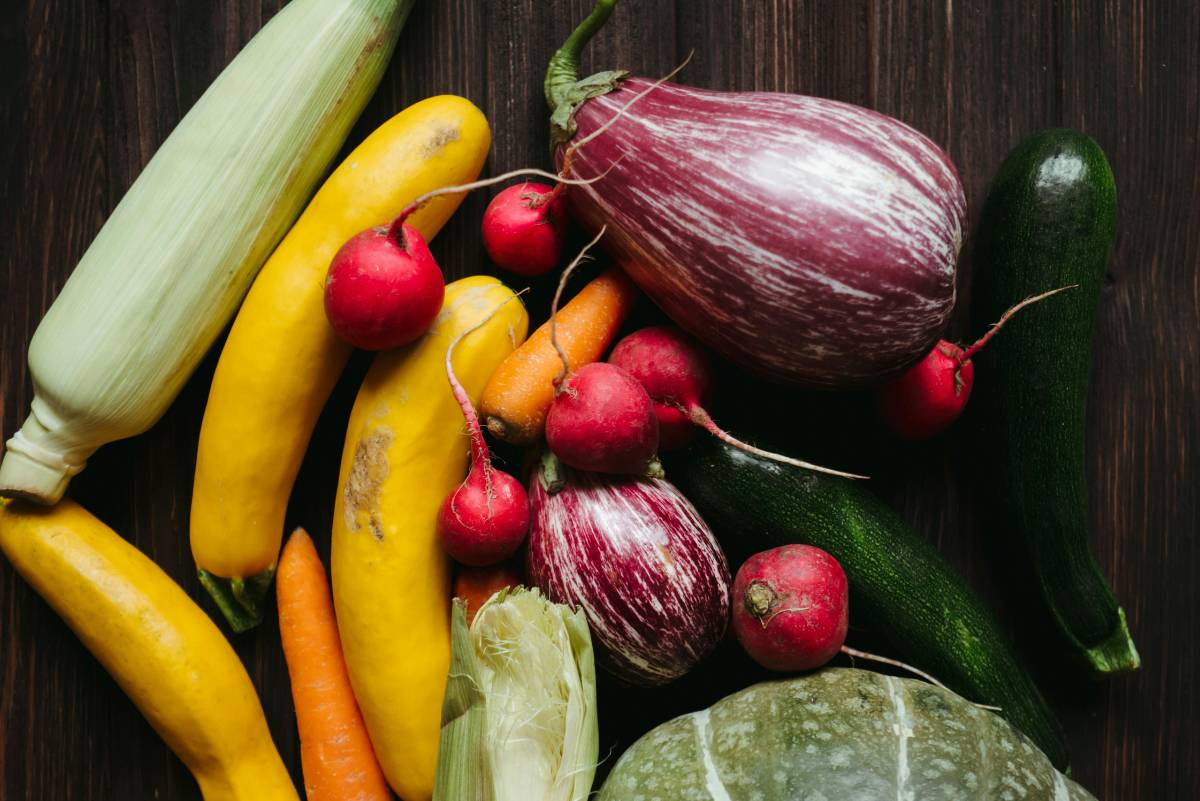
Transitioning to a whole foods diet can be a transformative journey towards better health and well-being. Whole foods are minimally processed and retain most of their natural nutrients, offering numerous benefits such as improved digestion, better energy levels, and a reduced risk of chronic diseases. However, making this shift can be challenging if you're accustomed to a diet high in processed foods. This article provides a step-by-step guide on how to transition smoothly to a whole foods diet and maintain it long-term.
5 min read | 04 Feb 2025
Benefits of Eating Whole Foods for Your Health
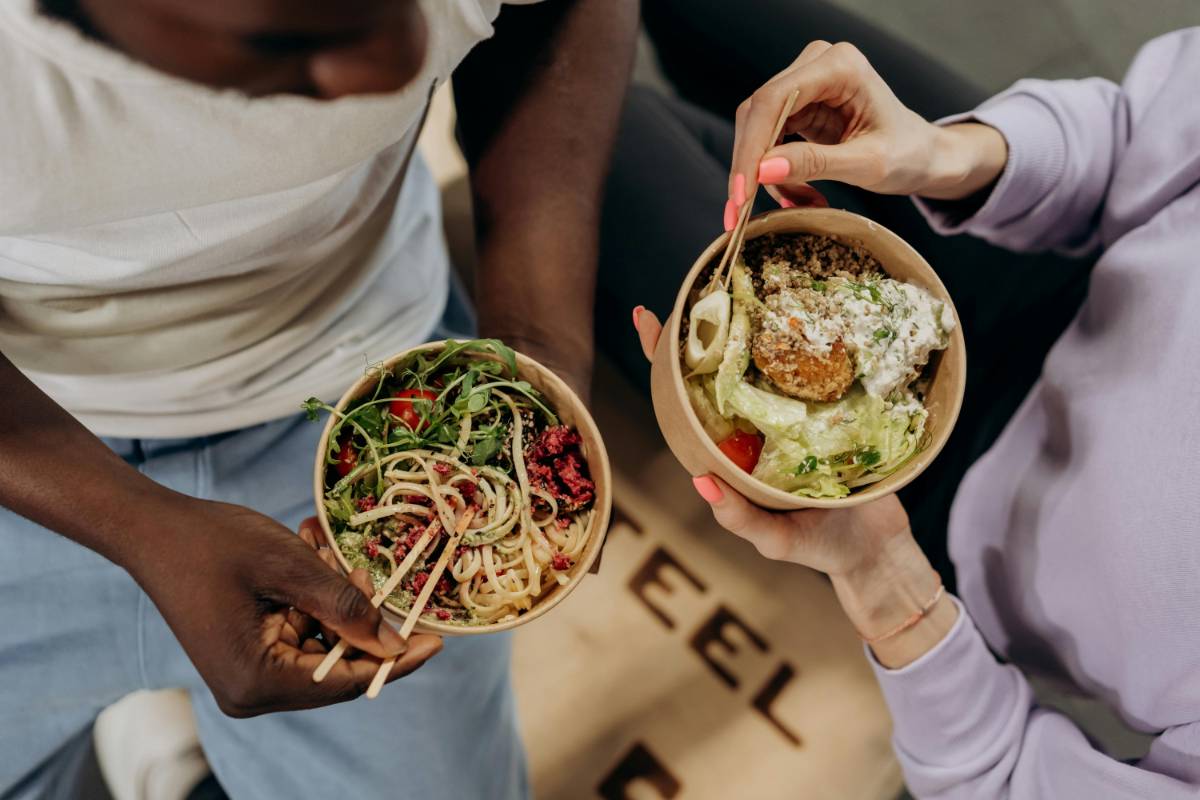
Eating a diet rich in whole foods is one of the most effective ways to improve overall health and well-being. Whole foods are minimally processed and free from artificial additives, preservatives, and unhealthy fats, making them an excellent choice for maintaining good health. In this article, we will explore the numerous benefits of incorporating whole foods into your diet and how they can positively impact various aspects of your health.
RECENT POSTS
1
The Impact of Healthy Fats on Heart Health
5 min read | 01 Mar 20252
Avocados, Nuts, and Seeds: Your Sources of Healthy Fats
4 min read | 28 Feb 20253
How to Choose Healthy Cooking Oils
3 min read | 27 Feb 20254
The Benefits of Omega-3 Fatty Acids
2 min read | 26 Feb 20255
Understanding Healthy Fats: Monounsaturated and Polyunsaturated
4 min read | 25 Feb 20256
Tips for Incorporating More Fiber into Every Meal
2 min read | 24 Feb 2025MORE POSTS

Best Practices for Coloring Your Hair at Home
3 min read | 01 Feb 2025
How to Treat Dandruff Effectively
5 min read | 31 Jan 2025
The Importance of Using Heat Protectant on Your Hair
4 min read | 30 Jan 2025
Tips for Preventing Hair Loss Naturally
3 min read | 29 Jan 2025
The Benefits of Using a Hair Mask Weekly
2 min read | 28 Jan 2025