What Are Whole Foods and Why Are They Important?
 By Prince Matthews |
 5 min read
|01 Feb 2025Whole foods are foods that are minimally processed and free from artificial additives, preservatives, and refined ingredients. They are typically close to their natural state, which means they retain most of their nutrients and beneficial properties. In this article, we will explore what whole foods are, their importance in a balanced diet, and how incorporating them into your meals can benefit your overall health.

Understanding Whole Foods
Whole foods are foods that have not been significantly altered from their original form. This category includes fresh fruits and vegetables, whole grains, nuts, seeds, legumes, and lean proteins. Unlike processed foods, which often contain added sugars, unhealthy fats, and artificial ingredients, whole foods are rich in essential nutrients and provide numerous health benefits.
Benefits of Whole Foods
Whole foods are packed with essential nutrients that support overall health and well-being. They provide vitamins, minerals, fiber, and antioxidants that are often lost in processed foods. Here are some key benefits of incorporating whole foods into your diet:

Nutrient Density: Whole foods are rich in nutrients that are vital for maintaining good health. Fruits and vegetables, for example, are high in vitamins, minerals, and antioxidants that support immune function, reduce inflammation, and promote healthy skin.
Improved Digestion: Whole foods, especially those high in fiber, promote healthy digestion and regular bowel movements. Fiber aids in the prevention of constipation and supports the growth of beneficial gut bacteria, which contribute to a healthy digestive system.
Better Weight Management: Whole foods can help with weight management by providing a feeling of fullness and reducing the likelihood of overeating. Foods like whole grains, legumes, and vegetables are high in fiber, which helps control appetite and regulate blood sugar levels.

Reduced Risk of Chronic Diseases: Diets rich in whole foods have been associated with a lower risk of chronic diseases such as heart disease, diabetes, and certain cancers. Whole foods contain antioxidants and phytochemicals that help protect the body from oxidative stress and inflammation, which are linked to these conditions.
Enhanced Energy Levels: Whole foods provide a steady supply of energy due to their balanced composition of nutrients. Unlike processed foods that can cause energy crashes and spikes in blood sugar levels, whole foods offer sustained energy and help maintain stable blood sugar levels throughout the day.

How to Incorporate Whole Foods into Your Diet
Incorporating whole foods into your diet can be simple and enjoyable. Here are some tips to help you make the switch:
Choose Fresh Produce: Opt for fresh fruits and vegetables whenever possible. They are rich in vitamins, minerals, and fiber and can be used in a variety of meals and snacks.

Embrace Whole Grains: Replace refined grains with whole grains such as brown rice, quinoa, oats, and whole wheat products. Whole grains are more nutrient-dense and provide longer-lasting energy.
Include Lean Proteins: Incorporate lean protein sources like poultry, fish, tofu, and legumes into your meals. These options are lower in unhealthy fats and provide essential amino acids for muscle health and repair.

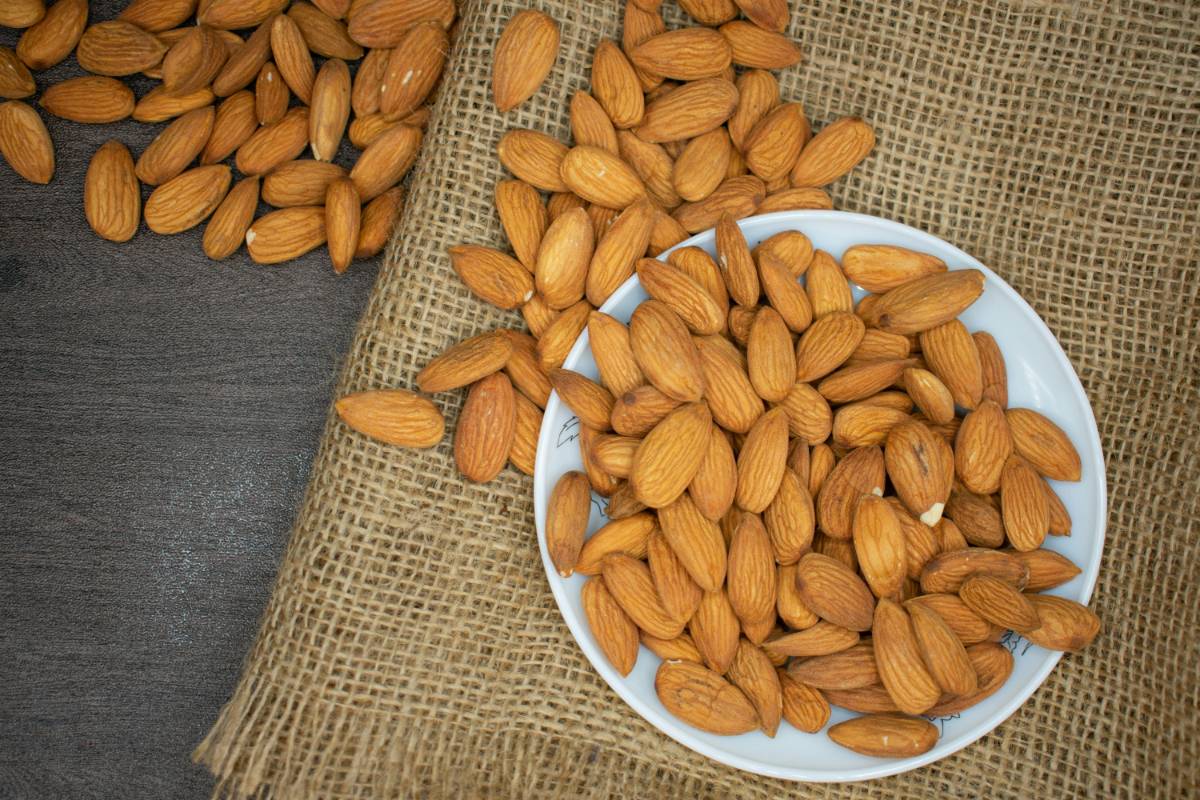
Snack on Nuts and Seeds: Nuts and seeds are excellent sources of healthy fats, protein, and fiber. They make great snacks and can be added to salads, yogurt, or oatmeal for added nutrition.
Avoid Processed Foods: Minimize your consumption of processed foods that contain added sugars, unhealthy fats, and artificial ingredients. Instead, focus on whole, unprocessed foods to get the most nutritional value from your diet.
Conclusion
Whole foods are an integral part of a healthy diet and offer numerous benefits for overall health and well-being. By focusing on nutrient-dense, minimally processed foods, you can improve digestion, manage weight, reduce the risk of chronic diseases, and maintain steady energy levels. Incorporating whole foods into your daily meals can be a delicious and satisfying way to support your health and achieve a balanced diet. Make a conscious effort to choose whole foods and enjoy the many advantages they bring to your life.
Trending Around the Web
About the Author
Prince Matthews
Prince Matthews is a passionate health and wellness advocate, with a deep understanding of the challenges modern parents face. With a focus on holistic well-being, Prince Matthews aims to empower mothers and families with practical tips, science-backed advice, and inspiring stories to promote a healthy lifestyle. Whether it's nutrition, fitness, mental health, or parenting, Prince Matthews is committed to making health and wellness approachable and accessible for every SuperMoomy reader.
MORE ARTICLES

6 min read | 22 Mar 2025
How to Approach Weight Loss with a History of Eating Disorders
Approaching weight loss with a history of eating disorders requires a delicate and mindful strategy. The key is to prioritize mental health and well-being while working towards weight management goals. Here are some strategies to consider when navigating this complex journey.

6 min read | 21 Mar 2025
Weight Loss Strategies for Individuals with Arthritis
Arthritis is a condition that affects the joints, causing pain, stiffness, and swelling. Managing weight is crucial for individuals with arthritis as excess weight can exacerbate joint pain and mobility issues. Implementing effective weight loss strategies can help alleviate symptoms and improve overall quality of life.

5 min read | 20 Mar 2025
Understanding the Relationship Between PCOS and Weight Gain
Polycystic ovary syndrome (PCOS) is a common hormonal disorder that affects women during their reproductive years. One of the key challenges for many women with PCOS is managing weight. Understanding how PCOS influences weight gain and finding effective strategies for weight management can significantly improve overall health and quality of life.

6 min read | 19 Mar 2025
How Hormonal Imbalances Affect Weight and How to Address Them
Hormonal imbalances can significantly impact weight management, leading to weight gain or difficulties in losing weight. Understanding how different hormones affect your weight and how to address imbalances can help in managing your overall health.

4 min read | 18 Mar 2025
Tips for Weight Loss with Diabetes
Managing weight with diabetes can be challenging due to the need to balance blood sugar levels while achieving weight loss goals. Here are some effective tips for weight loss with diabetes:

5 min read | 17 Mar 2025
Managing Weight with Thyroid Disorders
Thyroid disorders can significantly impact weight management due to their effects on metabolism and hormone balance. Understanding how to manage weight with thyroid disorders is essential for maintaining overall health. Here are key strategies for managing weight effectively when dealing with thyroid conditions:
RECENT POSTS
1
How Reducing Sugar Can Improve Your Energy Levels
4 min read | 10 Mar 20252
The Role of Natural Sweeteners in a Healthy Diet
2 min read | 09 Mar 20253
Tips for Reducing Sugar in Your Diet
3 min read | 08 Mar 20254
Sugar Substitutes: What’s Safe and What’s Not?
4 min read | 07 Mar 20255
How to Read Nutrition Labels for Added Sugars
2 min read | 06 Mar 20256
The Health Risks of Excess Sugar Consumption
3 min read | 05 Mar 2025MORE POSTS

Dynamic vs. Static Stretching: What You Need to Know
5 min read | 07 Feb 2025
Beginner’s Guide to Yoga for Flexibility
5 min read | 06 Feb 2025
Why Flexibility is Important for Overall Fitness
5 min read | 05 Feb 2025
How to Track Your Cardio Fitness Progress
5 min read | 04 Feb 2025
Cardio Workouts That Don’t Require Equipment
4 min read | 03 Feb 2025