Best Balance Exercises for Beginners

 By Neha Jain |
 2 min read
|18 Mar 2025Balance exercises are essential for building stability, coordination, and overall strength. For beginners, starting with simple exercises can help improve balance and form a solid foundation for more advanced movements. This article outlines some of the best balance exercises for those just starting out.

Benefits of Balance Exercises
Incorporating balance exercises into your routine offers numerous benefits:
Improved Stability: Balance exercises enhance stability by strengthening the muscles that support and stabilize the body.
Enhanced Coordination: Regular practice improves coordination and body awareness, which can aid in daily activities and sports performance.

Injury Prevention: By strengthening stabilizing muscles and improving balance, you can reduce the risk of falls and other injuries.
Better Posture: Balance exercises support core strength and alignment, contributing to improved posture.
Top Balance Exercises for Beginners
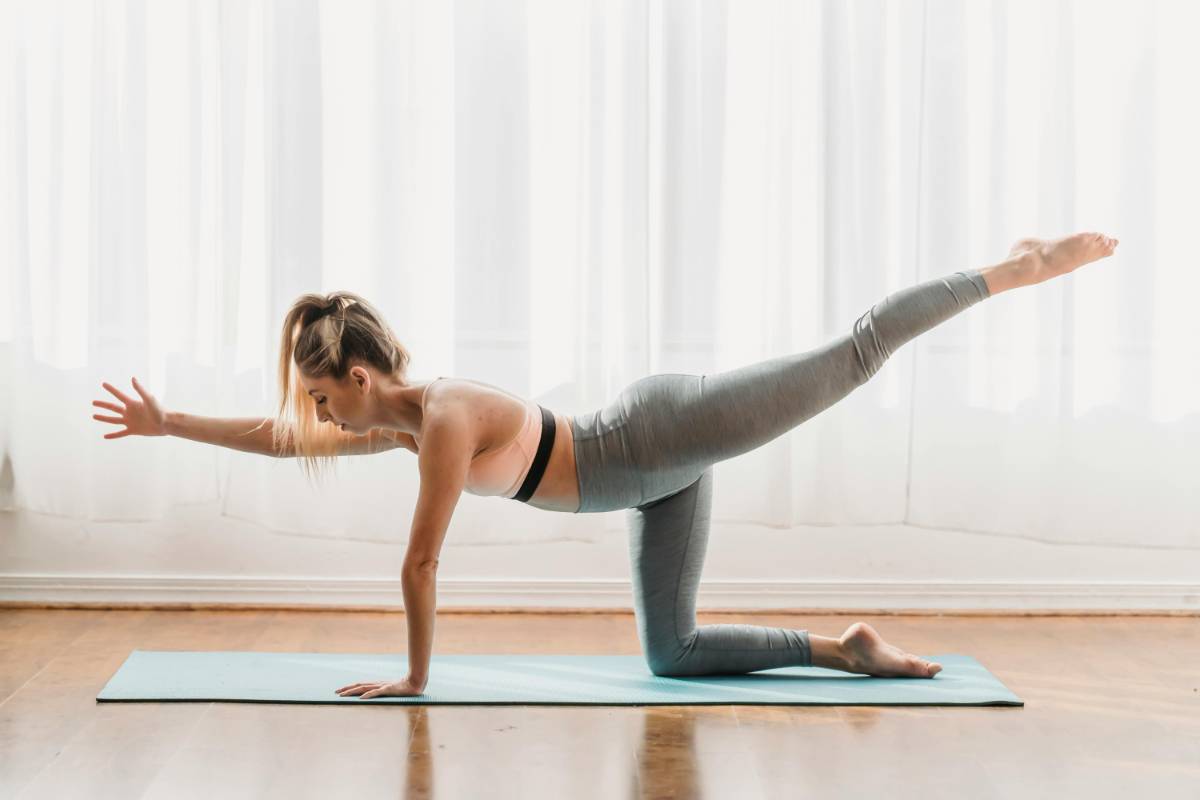
Here are some effective balance exercises that are great for beginners:
Single-Leg Stand: Stand on one leg and hold the position for 20-30 seconds. To increase the challenge, try closing your eyes or standing on an unstable surface like a balance pad.

Heel-to-Toe Walk: Walk in a straight line, placing the heel of one foot directly in front of the toes of the other foot. This exercise helps improve balance and coordination.
Chair Pose: Stand with feet hip-width apart, bend your knees as if sitting back into a chair, and hold the position for 20-30 seconds. This exercise engages the core and strengthens the legs.
Tai Chi: Practice basic Tai Chi movements to enhance balance, coordination, and relaxation. Tai Chi involves slow, controlled movements that improve stability and focus.
Standing March: Stand in place and lift one knee towards your chest, then alternate legs. This exercise improves balance and strengthens the hip flexors and core.
Tips for Effective Balance Training

To get the most out of your balance exercises, keep these tips in mind:
Start Slowly: Begin with basic exercises and gradually progress to more challenging ones as your balance improves.
Maintain Focus: Pay attention to your form and technique to ensure that you are performing the exercises correctly.
Incorporate Variety: Include a range of balance exercises to target different muscle groups and avoid plateaus.
Practice Regularly: Consistency is key to improving balance. Aim to include balance exercises in your routine several times a week.

Conclusion
Balance exercises are a fundamental component of a well-rounded fitness routine. For beginners, starting with simple balance exercises can help build stability, coordination, and strength. By incorporating these exercises into your regular workouts, you can improve your overall balance and enjoy the many benefits that come with it.
Trending Around the Web
About the Author
Neha Jain
Neha Jain is a passionate health and wellness advocate, with a deep understanding of the challenges modern parents face. With a focus on holistic well-being, Neha Jain aims to empower mothers and families with practical tips, science-backed advice, and inspiring stories to promote a healthy lifestyle. Whether it's nutrition, fitness, mental health, or parenting, Neha Jain is committed to making health and wellness approachable and accessible for every SuperMoomy reader.
MORE ARTICLES

3 min read | 12 Feb 2025
Signs of Dehydration and How to Prevent It
Dehydration occurs when your body loses more fluids than it takes in, leading to an imbalance that can impact overall health. Recognizing the signs of dehydration and taking preventive measures is crucial for maintaining optimal well-being. In this article, we'll explore common signs of dehydration and provide practical tips for preventing it.

3 min read | 11 Feb 2025
Benefits of Staying Hydrated for Your Skin
Staying hydrated is not only essential for overall health but also plays a crucial role in maintaining healthy, radiant skin. Proper hydration supports various skin functions and contributes to a more youthful appearance. In this article, we will explore the benefits of staying hydrated for your skin and how adequate water intake can enhance your complexion.
4 min read | 10 Feb 2025
How Much Water Should You Drink Daily?
Determining how much water you should drink daily is a common question and essential for maintaining good health. Hydration needs can vary based on several factors, including age, gender, activity level, and overall health. In this article, we'll explore general guidelines for daily water intake, factors that influence hydration needs, and practical tips for ensuring you stay properly hydrated.

5 min read | 09 Feb 2025
The Role of Hydration in Overall Health
Hydration plays a critical role in maintaining overall health and well-being. Our bodies are composed mostly of water, and staying properly hydrated supports numerous physiological functions, including digestion, circulation, and temperature regulation. In this article, we'll explore the importance of hydration, how to ensure you're drinking enough water, and the impact of proper hydration on various aspects of health.
4 min read | 08 Feb 2025
How to Identify and Avoid Processed Foods
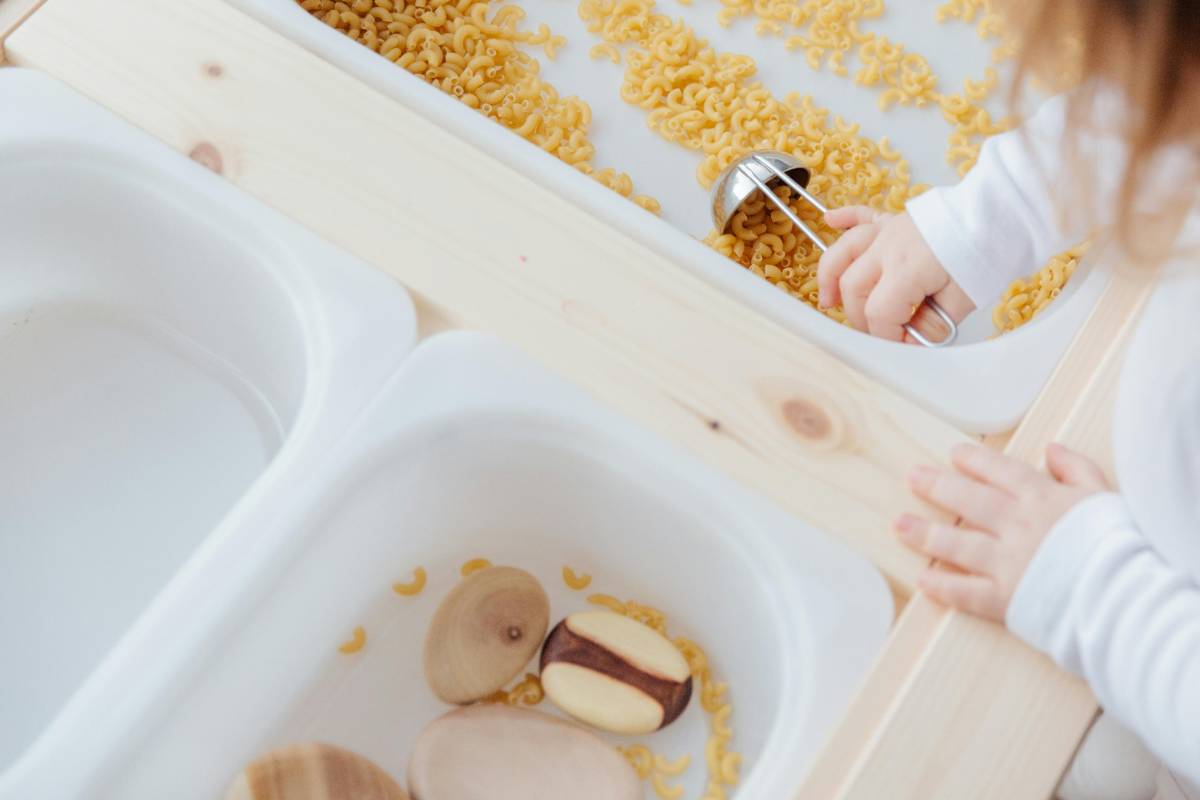
Processed foods have become a staple in many diets, but they often contain added sugars, unhealthy fats, and artificial ingredients that can negatively impact your health. Identifying and avoiding processed foods is an essential step toward a healthier diet. In this article, we will provide practical tips for recognizing processed foods and strategies for making healthier choices.
3 min read | 07 Feb 2025
The Environmental Benefits of Choosing Whole Foods
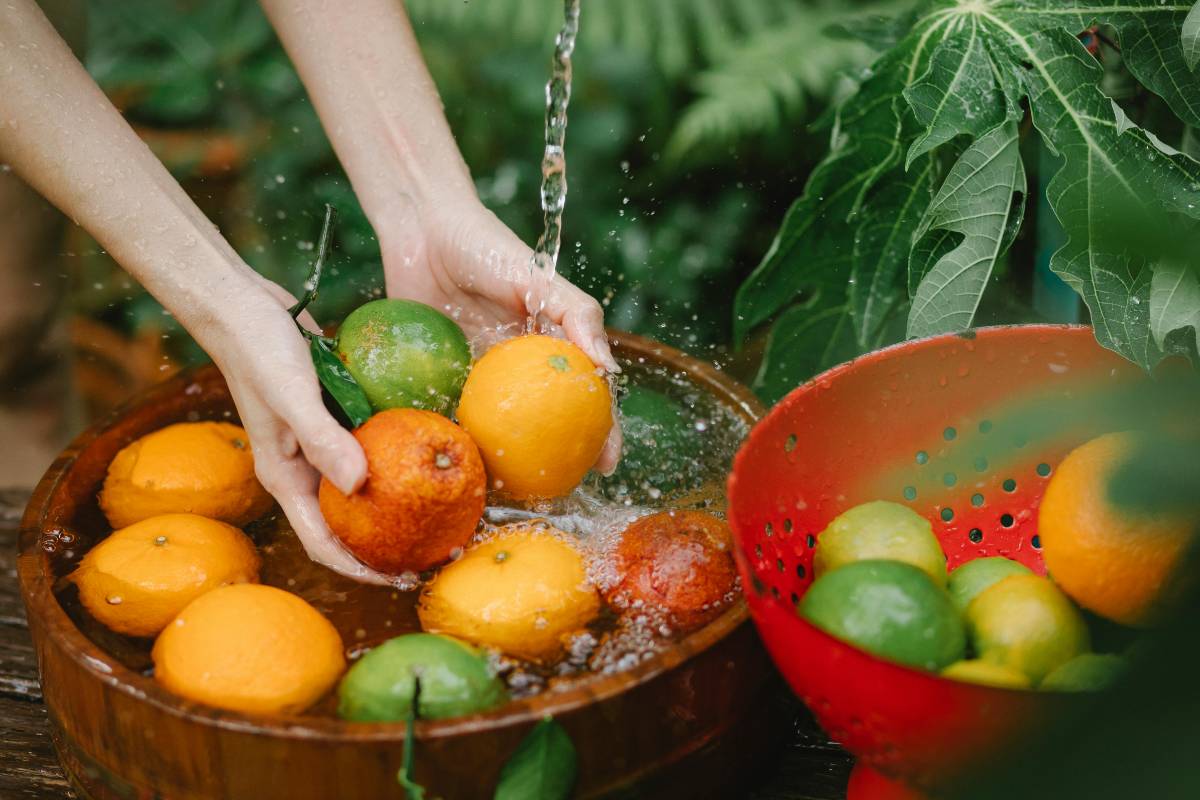
Choosing whole foods not only benefits your health but also has a significant positive impact on the environment. Whole foods, which include fruits, vegetables, whole grains, nuts, seeds, and lean proteins, are minimally processed and often come from sustainable farming practices. In this article, we will explore the environmental benefits of incorporating more whole foods into your diet and how these choices contribute to a healthier planet.
RECENT POSTS
1
How to Apply Fragrance for Maximum Impact
5 min read | 05 Mar 20252
The Benefits of Using Natural Fragrances
3 min read | 04 Mar 20253
How to Store Perfume Properly
3 min read | 03 Mar 20254
The Art of Layering Scents
4 min read | 02 Mar 20255
Top Fragrance Notes for Each Season
5 min read | 01 Mar 20256
How to Make Your Perfume Last Longer
2 min read | 28 Feb 2025MORE POSTS
Creating an Effective Home Workout Routine
2 min read | 26 Jan 2025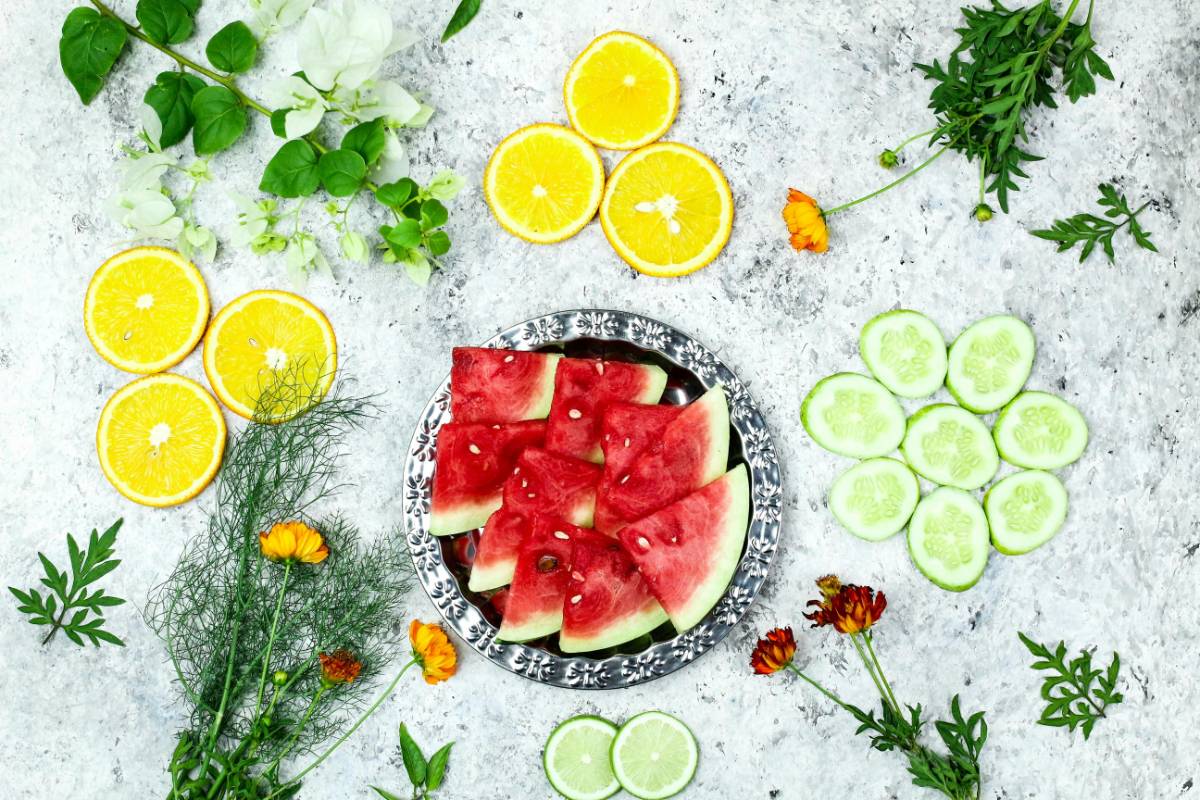
How to Incorporate More Fruits and Vegetables into Your Diet
5 min read | 25 Jan 2025
The Pros and Cons of Intermittent Fasting
2 min read | 24 Jan 2025
Balancing Your Plate: Portion Control Tips
3 min read | 23 Jan 2025
The Impact of Sugar on Weight Gain and How to Cut Back
4 min read | 22 Jan 2025