Signs of Dehydration and How to Prevent It

 By Sayan Gosh |
 3 min read
|12 Feb 2025Dehydration occurs when your body loses more fluids than it takes in, leading to an imbalance that can impact overall health. Recognizing the signs of dehydration and taking preventive measures is crucial for maintaining optimal well-being. In this article, we'll explore common signs of dehydration and provide practical tips for preventing it.

Signs of Dehydration
Dry Mouth and Thirst: One of the earliest signs of dehydration is a dry, sticky feeling in the mouth and an increased sense of thirst. If you notice these symptoms, it’s a signal that your body needs more fluids.
Dark Yellow Urine: Urine color can indicate hydration levels. Dark yellow or amber-colored urine often signifies dehydration, while pale yellow urine generally indicates adequate hydration.
Fatigue and Dizziness: Dehydration can lead to feelings of fatigue and dizziness. When the body is low on fluids, it can affect blood pressure and circulation, resulting in reduced energy levels and lightheadedness.

Dry Skin: Skin that appears dry, flaky, or less elastic can be a sign of dehydration. Properly hydrated skin is more supple and resilient, while dehydration can lead to a rough texture and decreased elasticity.
Headache: A common symptom of dehydration is a headache. Insufficient fluid intake can cause the brain to temporarily shrink from the skull, leading to pain and discomfort.
Confusion and Irritability: Severe dehydration can affect cognitive function and mood. If you experience confusion, irritability, or difficulty concentrating, it may be due to inadequate hydration.
How to Prevent Dehydration
Drink Water Regularly: Aim to drink water consistently throughout the day, not just when you're thirsty. The general recommendation is to consume about eight 8-ounce glasses of water daily, but individual needs can vary. Adjust your intake based on factors such as activity level, climate, and health conditions.

Monitor Your Fluid Intake: Keep track of your daily fluid consumption to ensure you're meeting your hydration needs. Hydration-tracking apps or reminders can help you stay on top of your water intake.
Incorporate Hydrating Foods: Eat fruits and vegetables with high water content to boost your overall hydration. Options like cucumbers, watermelon, and oranges are excellent choices that contribute to fluid intake while providing essential nutrients.
Adjust for Activity and Environment: Increase your water intake during physical activities or in hot, humid environments where you may sweat more. Drink extra fluids before, during, and after exercise to stay hydrated.

Avoid Excessive Caffeine and Alcohol: Caffeine and alcohol can have diuretic effects, leading to increased fluid loss. While it's fine to enjoy these beverages in moderation, be mindful of their impact on hydration and balance with additional water intake.
Recognize Early Symptoms: Pay attention to early signs of dehydration, such as dry mouth or dark urine. Address these symptoms promptly by increasing your fluid intake to prevent further dehydration.

Educate Yourself: Understand your individual hydration needs based on factors like age, health conditions, and activity level. Knowledge about how much water you need and how to maintain hydration can help you make informed decisions.
In Conclusion
Recognizing the signs of dehydration and taking proactive steps to prevent it is essential for maintaining health and well-being. By drinking water regularly, incorporating hydrating foods, and adjusting intake based on activity and environment, you can support optimal hydration and avoid the negative effects of dehydration. Staying mindful of your body's signals and implementing preventive measures will help you stay hydrated and support overall health.
Trending Around the Web
About the Author
Sayan Gosh
Sayan Gosh is a passionate health and wellness advocate, with a deep understanding of the challenges modern parents face. With a focus on holistic well-being, Sayan Gosh aims to empower mothers and families with practical tips, science-backed advice, and inspiring stories to promote a healthy lifestyle. Whether it's nutrition, fitness, mental health, or parenting, Sayan Gosh is committed to making health and wellness approachable and accessible for every SuperMoomy reader.
MORE ARTICLES

2 min read | 15 Mar 2025
The Relationship Between Core Strength and Lower Back Health
Core strength plays a crucial role in maintaining lower back health. A strong core supports the spine, helps distribute loads evenly, and reduces the risk of lower back injuries. This article explores how core strength influences lower back health and provides tips for strengthening your core to protect and improve your lower back.

4 min read | 14 Mar 2025
Advanced Core Exercises for Experienced Lifters
For experienced lifters, core training is an opportunity to push the boundaries of strength and stability. Advanced core exercises not only challenge your core muscles but also engage multiple muscle groups, enhancing overall functional strength. This article explores some advanced core exercises designed for seasoned lifters looking to elevate their training.

5 min read | 13 Mar 2025
How to Incorporate Core Training into Your Cardio Routine
Combining core training with your cardio routine can enhance overall fitness and improve your performance in both areas. Core exercises can help stabilize your body, reduce the risk of injury, and make your cardio workouts more effective. In this article, we'll explore how to integrate core training into your cardio routine for maximum benefits.

3 min read | 12 Mar 2025
Top 5 Mistakes to Avoid in Core Training
Core training is essential for building a strong and stable midsection, which supports overall fitness and helps prevent injury. However, many people make mistakes that can hinder their progress or even lead to injury. In this article, we’ll explore the top mistakes to avoid in core training and provide tips on how to perform your core workouts more effectively.
4 min read | 11 Mar 2025
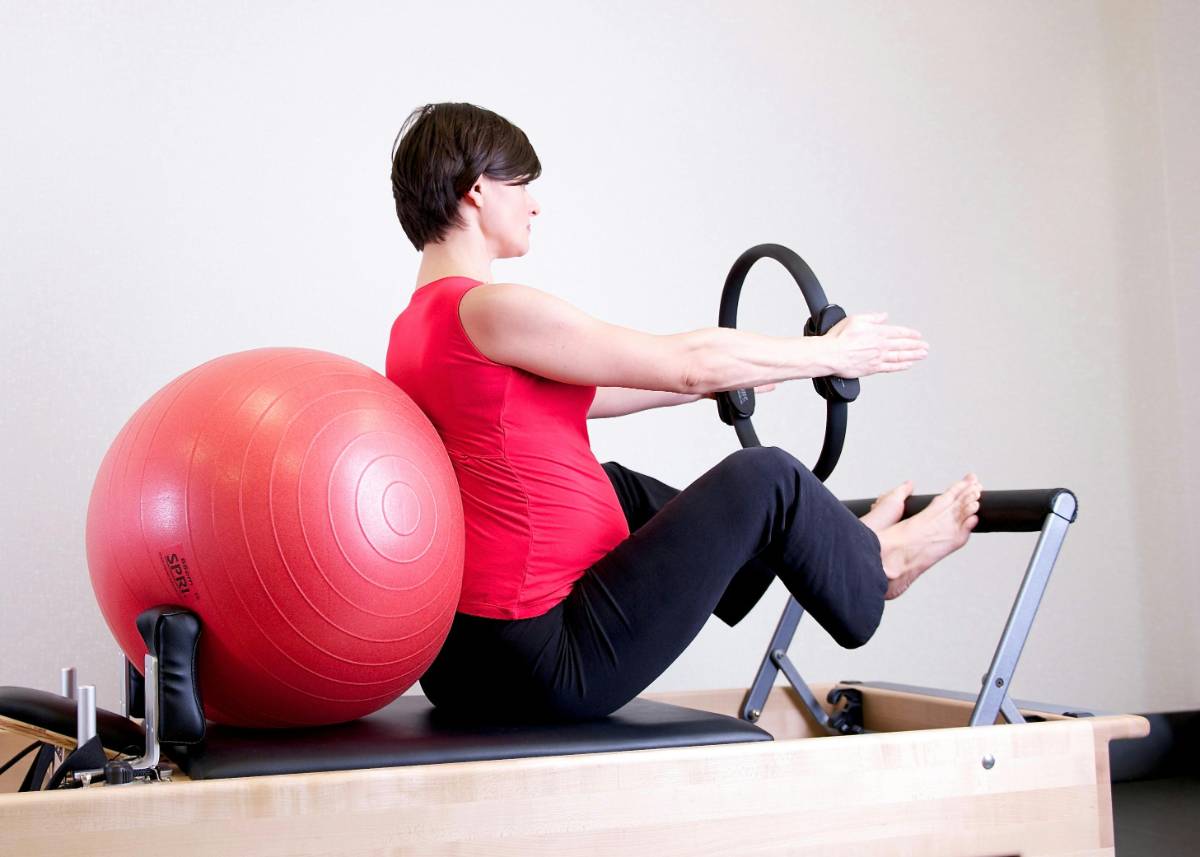
Using Stability Balls for Core Training
Stability balls, also known as exercise balls or Swiss balls, are versatile tools that can enhance your core training routine. These balls challenge your balance and stability, engaging your core muscles more effectively than traditional exercises. In this article, we'll explore how to use stability balls for core training, highlighting key exercises and their benefits.

5 min read | 10 Mar 2025
Effective Core Workouts for Improved Posture
Good posture is essential for overall health and well-being. It can prevent back pain, reduce strain on your muscles and joints, and enhance your overall physical appearance. One of the most effective ways to improve posture is by strengthening the core muscles, which support and stabilize the spine. In this article, we'll explore core workouts that specifically target the muscles responsible for maintaining good posture.
RECENT POSTS
1
How to Balance Salt and Flavor in Your Meals
5 min read | 19 Mar 20252
The Impact of Salt on Blood Pressure
4 min read | 18 Mar 20253
Tips for Eating Out While Watching Your Sodium Intake
3 min read | 17 Mar 20254
Low-Sodium Alternatives and Substitutes
2 min read | 16 Mar 20255
Understanding the Sodium Content in Processed Foods
5 min read | 15 Mar 20256
How to Reduce Salt in Your Cooking
3 min read | 14 Mar 2025MORE POSTS
Incorporating Pilates into Your Flexibility Routine
2 min read | 09 Feb 2025
Top 10 Stretching Exercises for Improved Flexibility
2 min read | 08 Feb 2025
Dynamic vs. Static Stretching: What You Need to Know
5 min read | 07 Feb 2025
Beginner’s Guide to Yoga for Flexibility
5 min read | 06 Feb 2025
Why Flexibility is Important for Overall Fitness
5 min read | 05 Feb 2025