How to Create a Balanced Workout Routine

 By Oliver Davis |
 4 min read
|28 Mar 2025Creating a balanced workout routine is essential for achieving overall fitness and health. A well-rounded routine incorporates various types of exercise to ensure you develop strength, endurance, flexibility, and balance. Here’s a guide to help you create a balanced workout routine that aligns with your fitness goals.

Understanding the Components of a Balanced Workout Routine
A balanced workout routine should include the following components:
Cardiovascular Exercise: Cardiovascular or aerobic exercise increases your heart rate and improves cardiovascular health. Examples include running, cycling, swimming, and brisk walking. Aim for at least 150 minutes of moderate-intensity cardio or 75 minutes of vigorous-intensity cardio per week.
Strength Training: Strength training focuses on building muscle strength and endurance. This can be done using free weights, resistance bands, weight machines, or bodyweight exercises. Include strength training exercises for all major muscle groups at least two days a week.

Flexibility and Mobility: Stretching and flexibility exercises enhance your range of motion and help prevent injuries. Incorporate static stretches, yoga, or dynamic stretches into your routine to improve flexibility and mobility.
Balance and Stability: Balance exercises improve coordination and stability, which are crucial for overall fitness and injury prevention. Exercises such as single-leg stands, balance board exercises, and stability ball workouts can enhance balance and stability.
Creating Your Balanced Workout Routine

To create a balanced workout routine, follow these steps:
Set Your Fitness Goals: Determine what you want to achieve with your workout routine. Your goals may include weight loss, muscle gain, improved endurance, or overall fitness. Setting clear goals will help you tailor your routine to meet your needs.

Choose a Variety of Exercises: Select exercises that target different components of fitness. For example, include cardio exercises for cardiovascular health, strength training exercises for muscle development, and stretching for flexibility. Incorporate a mix of activities to ensure your routine is balanced.
Plan Your Weekly Schedule: Create a weekly workout schedule that includes a mix of cardio, strength training, flexibility, and balance exercises. For example, you might do cardio on Monday, strength training on Tuesday, yoga on Wednesday, and so on. Ensure you allow for rest days to give your body time to recover.
Adjust Intensity and Duration: Adjust the intensity and duration of your workouts based on your fitness level and goals. Beginners may start with shorter, less intense sessions and gradually increase as they build endurance and strength.

Include Rest and Recovery: Rest and recovery are essential for preventing overtraining and allowing your body to repair and grow stronger. Include rest days in your routine and consider incorporating activities like stretching or light walking on recovery days.
Monitor Your Progress: Track your workouts and progress to stay motivated and make adjustments as needed. Keep a workout log or use fitness apps to monitor your performance and track improvements over time.

Sample Balanced Workout Routine
Here’s an example of a balanced workout routine for a week:
Monday: Cardio - 30 minutes of running or cycling
Tuesday: Strength Training - Full-body workout with exercises like squats, lunges, push-ups, and rows
Wednesday: Flexibility - 30 minutes of yoga or stretching exercises

Thursday: Balance and Stability - Exercises like single-leg stands, stability ball workouts, and balance board exercises
Friday: Cardio - 30 minutes of swimming or brisk walking
Saturday: Strength Training - Focus on different muscle groups or repeat Tuesday’s workout
Sunday: Rest or Active Recovery - Light activities like walking or gentle stretching
Conclusion
Creating a balanced workout routine is crucial for achieving overall fitness and health. By incorporating cardiovascular exercise, strength training, flexibility, and balance into your routine, you’ll develop a well-rounded fitness program that supports your goals. Remember to set clear goals, choose a variety of exercises, plan your schedule, and include rest and recovery. With consistency and dedication, you’ll be on your way to achieving a balanced and effective workout routine.
Trending Around the Web
About the Author
Oliver Davis
Oliver Davis is a passionate health and wellness advocate, with a deep understanding of the challenges modern parents face. With a focus on holistic well-being, Oliver Davis aims to empower mothers and families with practical tips, science-backed advice, and inspiring stories to promote a healthy lifestyle. Whether it's nutrition, fitness, mental health, or parenting, Oliver Davis is committed to making health and wellness approachable and accessible for every SuperMoomy reader.
MORE ARTICLES

4 min read | 14 Apr 2025
How to Stay Healthy During the Holidays
The holiday season is a time for celebration, family gatherings, and indulgent meals, but it can also be a time when healthy habits are put to the test. Staying healthy during the holidays doesn’t mean you have to miss out on the festivities—it just requires a little planning and mindfulness. Here are some tips to help you stay on track with your health goals while still enjoying the season.

4 min read | 13 Apr 2025
The Health Benefits of Organic Foods
As people become more health-conscious, many are turning to organic foods as a way to improve their diet and reduce their exposure to harmful substances. Organic foods are grown without the use of synthetic pesticides, herbicides, or fertilizers, and they must meet strict guidelines to earn the organic label. Here’s a look at the potential health benefits of incorporating organic foods into your diet.
3 min read | 12 Apr 2025
Portion Control Tips to Avoid Overeating
Overeating can often lead to weight gain and discomfort, but practicing portion control can help you manage your food intake and support your health goals. Here are some effective tips to help you control portions and avoid overeating.

4 min read | 11 Apr 2025
Vegan and Vegetarian Protein Sources for a Balanced Diet
Protein is a crucial macronutrient that supports muscle growth, repair, and overall bodily functions. For those following vegan or vegetarian diets, finding adequate protein sources is essential for maintaining a balanced diet. Here’s a guide to some of the best vegan and vegetarian protein sources that can help you meet your nutritional needs.

4 min read | 10 Apr 2025
Healthy Eating for Weight Loss: What You Need to Know
Embarking on a weight loss journey can be challenging, but adopting healthy eating habits is a fundamental step toward achieving your goals. Understanding how to make nutritious choices and manage portions effectively can help you lose weight sustainably. Here’s what you need to know about healthy eating for weight loss.

5 min read | 09 Apr 2025
The Importance of Balanced Macronutrients in Your Diet
Maintaining a balanced intake of macronutrients is essential for overall health and well-being. Macronutrients—carbohydrates, proteins, and fats—are the primary nutrients that provide energy and support bodily functions. Understanding and balancing these macronutrients can help you achieve your health goals, whether it’s for weight management, muscle building, or general wellness. Here’s an overview of the importance of each macronutrient and how to balance them effectively in your diet.
RECENT POSTS
1
What Are Whole Foods and Why Are They Important?
5 min read | 01 Feb 20252
The Impact of Portion Control on Digestive Health
4 min read | 31 Jan 20253
Tips for Dining Out and Controlling Portions
3 min read | 30 Jan 20254
Understanding Serving Sizes vs. Portion Sizes
2 min read | 29 Jan 20255
The Psychology of Portion Sizes
4 min read | 28 Jan 20256
Using Portion Control Plates and Tools
2 min read | 27 Jan 2025MORE POSTS

How to Adjust Your Workout Routine for Different Fitness Levels
3 min read | 09 Apr 2025
Sample Weekly Workout Routines for Different Fitness Goals
4 min read | 08 Apr 2025
The Importance of Rest and Recovery in Your Workout Routine
2 min read | 07 Apr 2025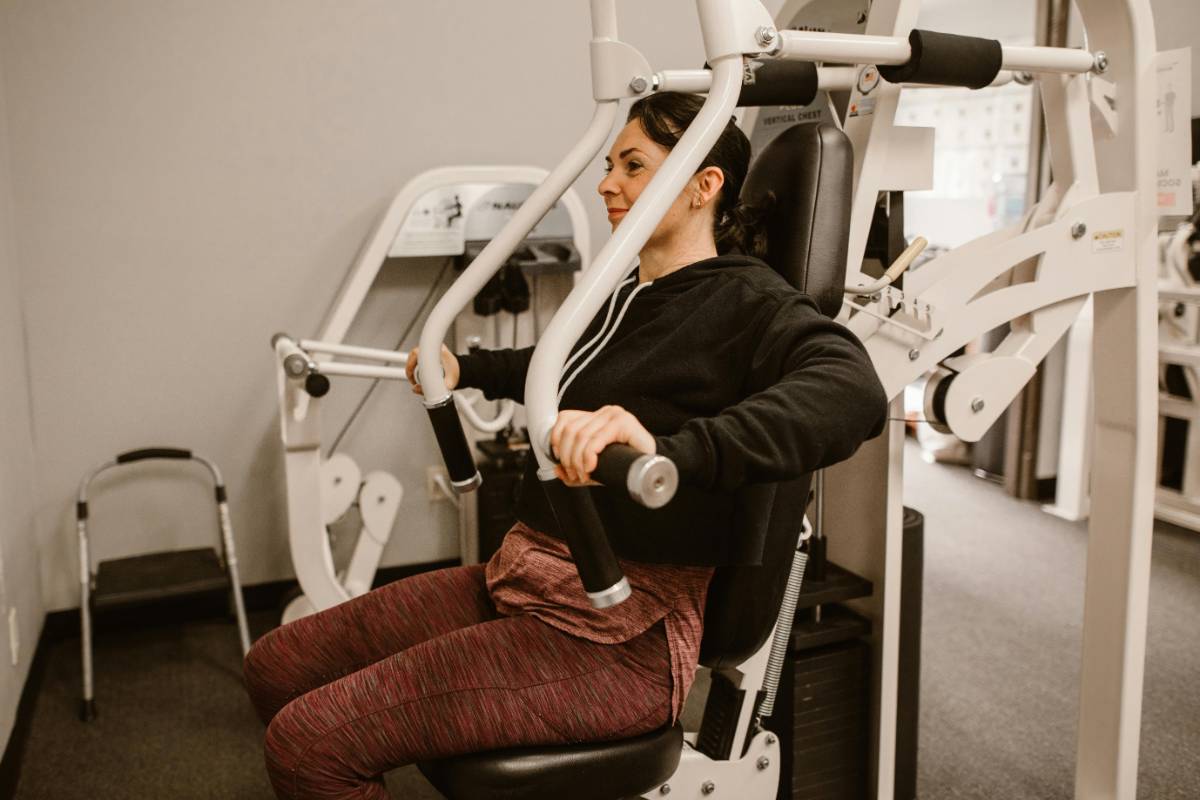
Creating a Workout Routine for Weight Loss and Toning
5 min read | 15 Apr 2025
Strength Training vs. Cardio: Finding the Right Balance
5 min read | 14 Apr 2025