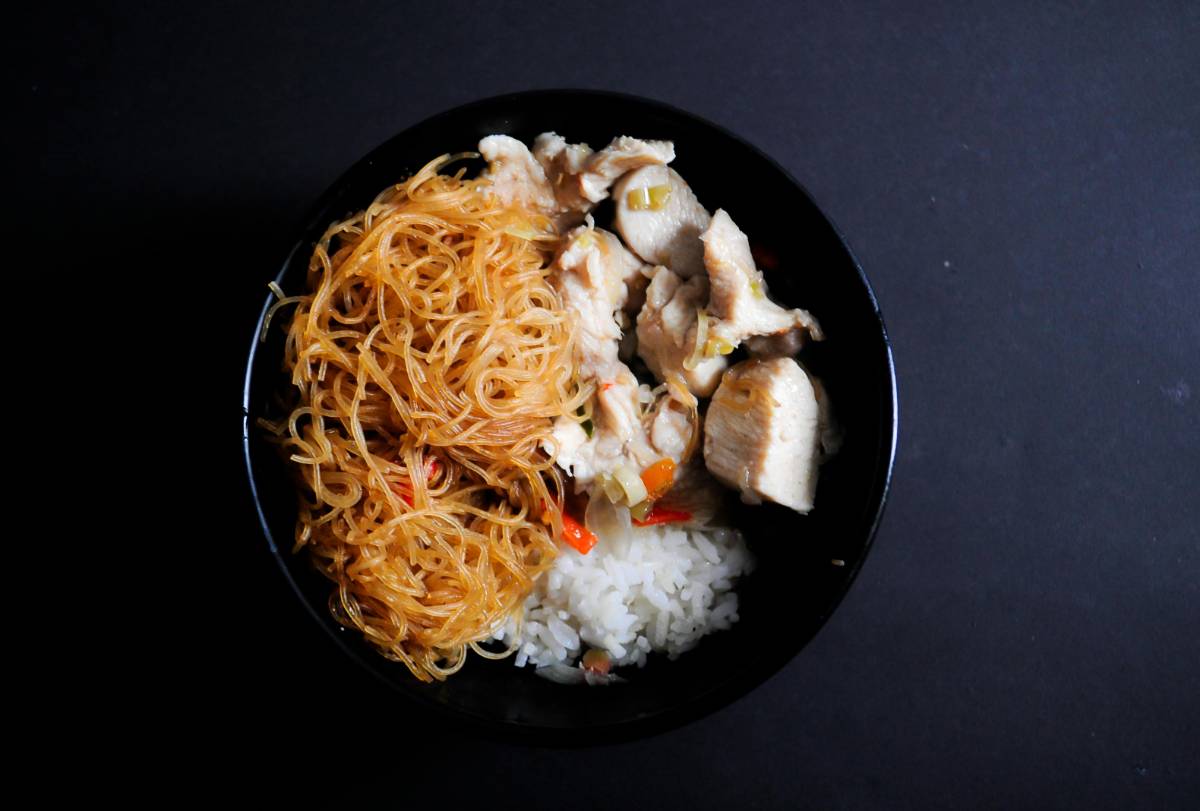
Portion Control for Weight Management
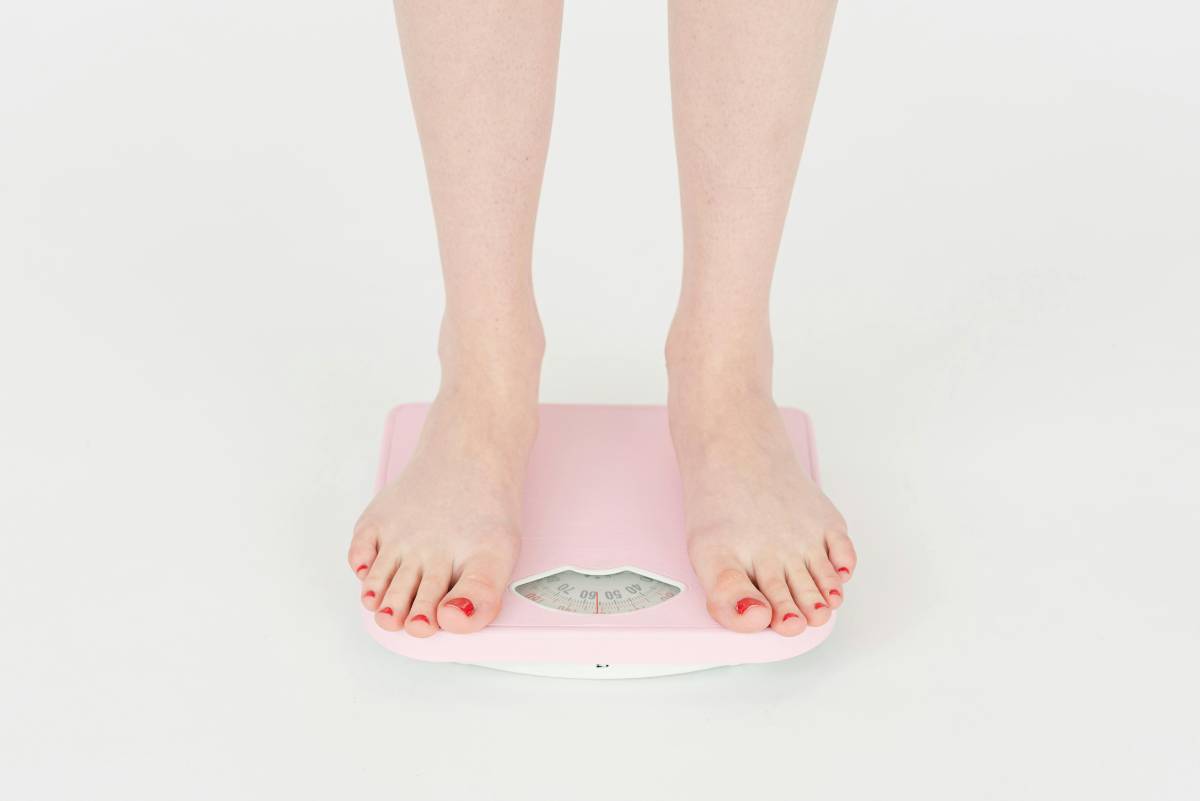
 By Lewis Adam |
 4 min read
|26 Jan 2025Portion control is a critical component of effective weight management. It involves regulating the amount of food consumed during each meal to help maintain a healthy weight and support overall health. Understanding and implementing portion control can prevent overeating, ensure balanced nutrition, and assist in achieving weight-related goals. This article explores the importance of portion control for weight management, practical strategies to implement it, and common pitfalls to avoid.

Understanding Portion Control
Portion control refers to managing the amount of food served or consumed to regulate calorie intake and ensure a balanced diet. Proper portion control is essential for weight management, as it helps to control calorie consumption and prevent overeating. Key concepts include:
Caloric Intake: To maintain or lose weight, it’s important to balance the calories consumed with the calories burned. Portion control helps manage caloric intake by ensuring that you eat appropriate amounts of food, avoiding excessive calorie consumption.
Nutrient Balance: Portion control also helps ensure that you consume a balanced mix of nutrients, including proteins, carbohydrates, fats, vitamins, and minerals. Proper portions of different food groups can support overall health and prevent nutritional deficiencies.

Satiation and Satiety: Portion control impacts how full you feel after eating. Proper portion sizes can help you feel satisfied without overeating, while oversized portions can lead to excessive calorie intake and weight gain.
Strategies for Effective Portion Control
Implementing effective portion control strategies can help you manage your weight and support a healthy lifestyle. Here are some practical tips:

Use Measuring Tools: Measuring cups, spoons, and food scales can help accurately measure portion sizes. For example, use a 1-cup measuring cup for serving vegetables or a food scale to weigh portions of meat or grains. These tools ensure that you consume the right amounts and avoid over-serving.
Understand Serving Sizes: Familiarize yourself with recommended serving sizes for different food groups. For example, a serving of lean protein is typically 3-4 ounces, while a serving of grains is about 1/2 cup cooked. Knowing these serving sizes helps you gauge appropriate portions and make healthier choices.

Practice Mindful Eating: Pay attention to hunger and fullness cues while eating. Eat slowly, savor each bite, and stop when you feel comfortably full. Mindful eating helps you recognize when you’ve had enough and prevents overeating.
Portion-Controlled Plates and Bowls: Use plates and bowls with portion-control guides to help manage portion sizes visually. These dishes often have designated sections for different food groups, making it easier to balance your meals and control portions.
Pre-Portion Meals and Snacks: Prepare and portion out meals and snacks in advance to control calorie intake and prevent overeating. Use portion-controlled containers or bags to divide meals into appropriate servings, making it easier to stick to portion sizes.

Visual Cues for Portion Control
When measuring tools are not available, visual cues can help estimate portion sizes. Here are some common visual cues to guide portion control:

Protein: A serving of protein, such as meat, poultry, or fish, should be about the size of a deck of cards or the palm of your hand. For plant-based proteins like beans or tofu, a serving is typically 1/2 cup cooked.
Grains: A serving of cooked grains, such as rice or pasta, should be about the size of a baseball or a half-cup measuring cup. For dry grains, measure them before cooking and account for the increase in volume once cooked.
Fruits and Vegetables: A serving of raw or cooked vegetables is usually 1 cup, while a serving of fruit is about 1/2 cup. Leafy greens can be measured as 2 cups per serving. Use your hand or visual cues to estimate these portions when measuring tools are not available.
Dairy: A serving of dairy products, like milk or yogurt, is typically 1 cup for milk, 1/2 cup for yogurt, and 1 ounce for cheese. Use a measuring cup for liquids and a food scale for cheese to manage portions accurately.
Common Pitfalls in Portion Control

While portion control is essential for weight management, there are common pitfalls to be aware of that can undermine your efforts:
Overestimating Portions: Avoid overestimating portion sizes, which can lead to consuming more calories than intended. Use measuring tools and adhere to recommended serving sizes to prevent excessive calorie intake.
Eating from Large Containers: Eating directly from large containers, such as family-sized packages or oversized bags, can lead to mindless eating and larger portion sizes. Serve yourself appropriate portions on smaller plates or bowls to control intake.
Ignoring Hunger and Fullness Cues: Disregarding hunger and fullness cues can lead to overeating. Pay attention to how your body feels before, during, and after eating to better gauge portion sizes and avoid eating past the point of fullness.
Eating Out and Portion Sizes: Restaurant portions are often larger than standard serving sizes. When dining out, be mindful of portion sizes and consider sharing dishes, asking for a to-go box, or ordering smaller portions to manage intake effectively.
Benefits of Portion Control for Weight Management
Effective portion control offers several benefits for weight management and overall health:
Weight Maintenance: Proper portion control helps regulate caloric intake, making it easier to maintain a healthy weight and avoid weight gain. By controlling portion sizes, you can balance calories consumed with calories burned.
Improved Nutrition: Managing portion sizes helps ensure a balanced intake of nutrients from different food groups. This promotes overall health, supports energy levels, and prevents nutritional deficiencies.
Enhanced Satiety: Proper portion sizes can help you feel full and satisfied without overeating. By eating appropriate portions, you can avoid excessive calorie consumption and reduce the risk of weight-related health issues.
Conclusion
Portion control is a vital aspect of weight management and a healthy lifestyle. By understanding portion sizes, using measuring tools, and implementing practical strategies, you can effectively manage calorie intake, support balanced nutrition, and achieve weight-related goals. Being mindful of portion sizes helps prevent overeating, supports overall health, and contributes to a sustainable approach to weight management. Incorporate these practices into your daily routine to maintain a healthy weight and enjoy a balanced diet.
Trending Around the Web
About the Author
Lewis Adam
Lewis Adam is a passionate health and wellness advocate, with a deep understanding of the challenges modern parents face. With a focus on holistic well-being, Lewis Adam aims to empower mothers and families with practical tips, science-backed advice, and inspiring stories to promote a healthy lifestyle. Whether it's nutrition, fitness, mental health, or parenting, Lewis Adam is committed to making health and wellness approachable and accessible for every SuperMoomy reader.
MORE ARTICLES

5 min read | 27 Feb 2025
Benefits of Drinking Water Before Meals
Drinking water before meals is a simple habit with numerous health benefits. Incorporating this practice into your daily routine can positively impact your digestion, weight management, and overall well-being. Here are some of the key benefits of drinking water before meals:

6 min read | 26 Feb 2025
How Much Water Should You Drink Each Day?
Staying hydrated is essential for maintaining overall health, but how much water should you actually drink each day? The answer can vary based on factors such as age, weight, activity level, and climate. Here's a guide to help you understand your daily water needs and ensure you stay properly hydrated:

4 min read | 25 Feb 2025
The Importance of Staying Hydrated for Weight Loss
Staying hydrated is essential for overall health, and it plays a significant role in weight loss as well. Proper hydration supports various bodily functions, aids digestion, and can even help control hunger. Here's why staying hydrated is crucial for weight loss:

6 min read | 24 Feb 2025
Strategies for Building a Healthy Relationship with Food
Developing a healthy relationship with food is crucial for overall well-being and maintaining a balanced lifestyle. Here are some strategies to help you build a positive connection with what you eat:

4 min read | 23 Feb 2025
How to Handle Social Situations that Involve Food
Navigating social situations involving food can be challenging, especially if you’re trying to maintain a healthy diet or manage your weight. Here are some strategies to help you handle these situations with confidence and ease:

5 min read | 22 Feb 2025
Creating a Supportive Environment for Weight Loss
Creating a supportive environment is crucial for weight loss success. A positive and encouraging environment can help you stay motivated, overcome challenges, and achieve your goals. Here’s how to build a supportive environment that fosters weight loss:
RECENT POSTS
1
How to Get Started with Cardio Exercises
5 min read | 28 Jan 20252
The Benefits of Strength Training for Weight Loss
4 min read | 27 Jan 20253
Creating an Effective Home Workout Routine
2 min read | 26 Jan 20254
How to Incorporate More Fruits and Vegetables into Your Diet
5 min read | 25 Jan 20255
The Pros and Cons of Intermittent Fasting
2 min read | 24 Jan 20256
Balancing Your Plate: Portion Control Tips
3 min read | 23 Jan 2025MORE POSTS

The Connection Between Healthy Eating and Mental Health
4 min read | 15 Apr 2025
Healthy Snack Alternatives to Curb Your Cravings
3 min read | 14 Apr 2025
How to Eat Healthy While Dining Out
2 min read | 13 Apr 2025
The Importance of Hydration in Your Diet
4 min read | 12 Apr 2025
Debunking Common Myths About Healthy Eating
2 min read | 11 Apr 2025