Effective Core Workouts for Improved Posture
 By Neha Jain |
 5 min read
|10 Mar 2025Good posture is essential for overall health and well-being. It can prevent back pain, reduce strain on your muscles and joints, and enhance your overall physical appearance. One of the most effective ways to improve posture is by strengthening the core muscles, which support and stabilize the spine. In this article, we'll explore core workouts that specifically target the muscles responsible for maintaining good posture.

Understanding the Role of Core Muscles
The core muscles play a critical role in supporting your spine and pelvis, which directly impacts your posture. Key core muscles include:
Rectus Abdominis: Known as the "six-pack" muscles, they help with flexing the spine.
Obliques: Located on the sides of the abdomen, they assist in rotational movements and lateral flexion.

Transverse Abdominis: The deepest core muscles, crucial for stabilizing the spine and pelvis.
Erector Spinae: Muscles along the spine that support its alignment and movement.
Effective Core Workouts for Posture

Here are some core exercises that can help improve posture by strengthening the muscles that support your spine:
Planks
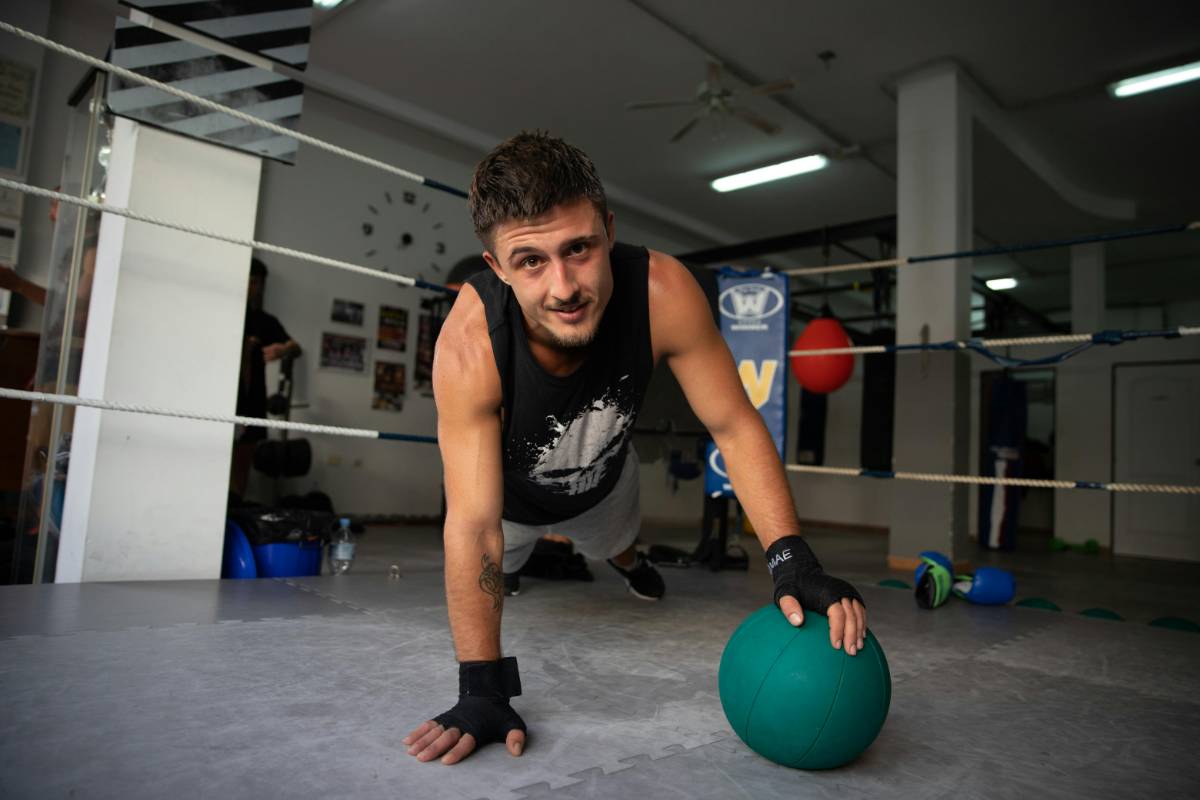
Planks are a foundational exercise that engages multiple core muscles, helping to stabilize the spine and improve overall posture.
How to Perform:
Start in a forearm plank position with your body in a straight line from head to heels. Keep your core engaged and avoid letting your hips sag. Hold this position for 30-60 seconds. Variations include side planks and plank with leg lifts.
Benefits:
Strengthens the entire core, enhances stability, and supports proper spinal alignment.

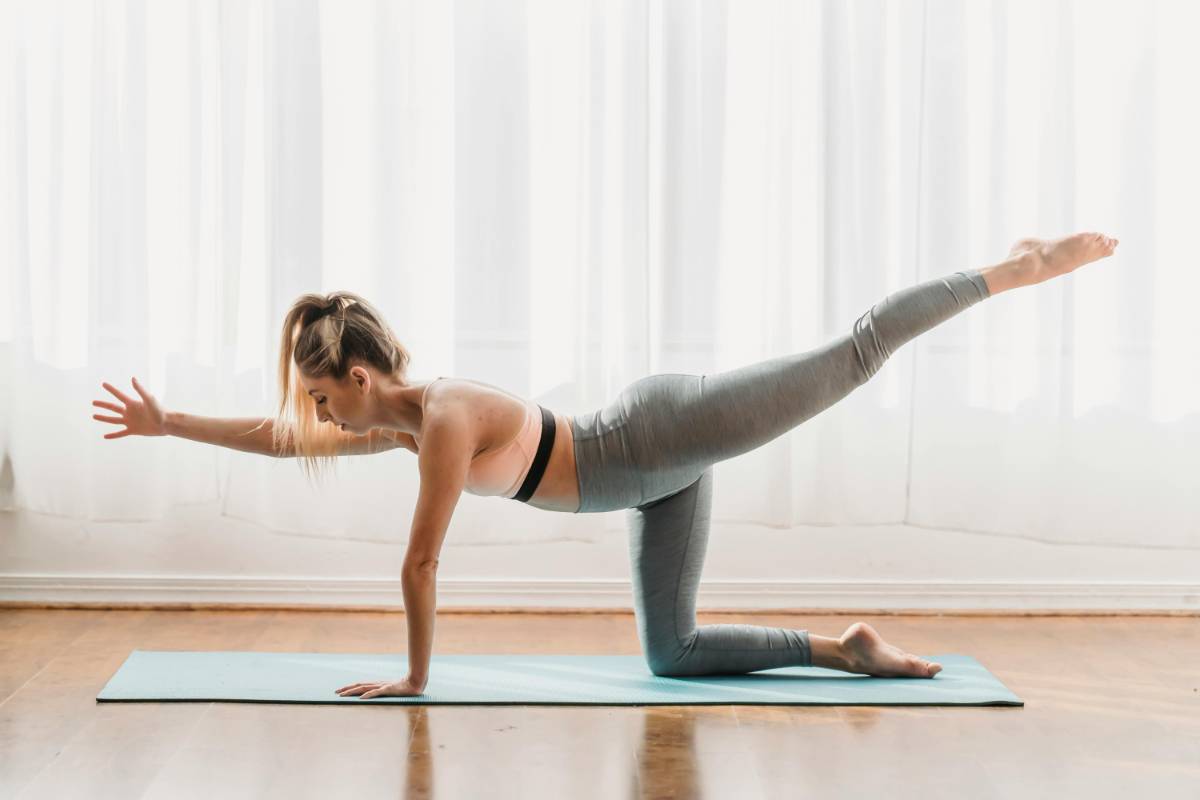
Bird-Dog
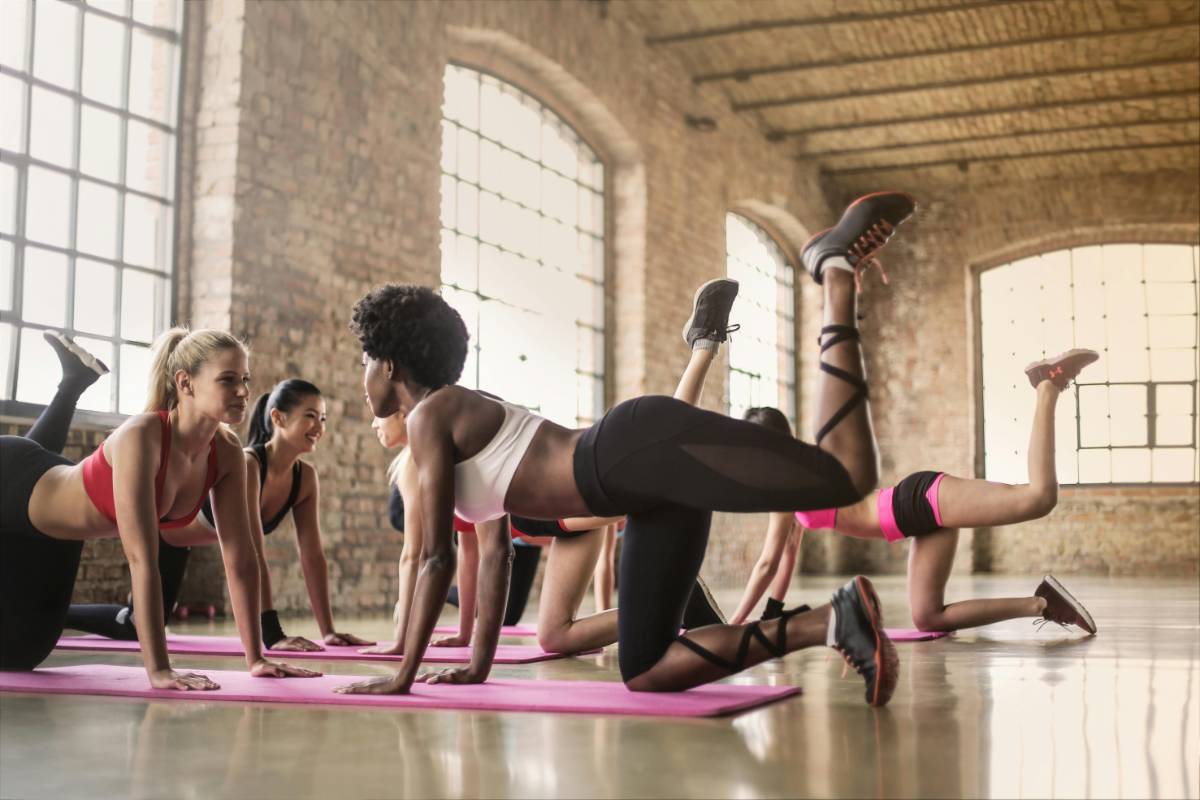
The bird-dog exercise improves balance and stability while engaging the core muscles that support your spine.
How to Perform:
Begin on your hands and knees with your wrists under your shoulders and knees under your hips. Extend one arm forward while simultaneously extending the opposite leg backward. Hold for a few seconds, then return to the starting position and switch sides. Repeat for a set number of reps.
Benefits:
Enhances core stability, improves balance, and strengthens the lower back.
Dead Bugs
Dead bugs target the deep core muscles and help maintain proper spinal alignment during movement.
How to Perform:
Lie on your back with your arms extended towards the ceiling and your knees bent at a 90-degree angle. Slowly lower one arm and the opposite leg towards the floor while keeping your lower back pressed into the ground. Return to the starting position and repeat with the other arm and leg.
Benefits:
Strengthens the deep core muscles, improves coordination, and supports spinal stability.
Glute Bridges
Glute bridges are effective for engaging the lower back and glutes, which are crucial for maintaining good posture.
How to Perform:
Lie on your back with your knees bent and feet flat on the floor. Lift your hips towards the ceiling by squeezing your glutes and engaging your core. Hold the bridge position for a few seconds, then lower back down. Repeat for a set number of reps.
Benefits:
Strengthens the glutes and lower back, enhances core stability, and supports proper posture.
Reverse Crunches
Reverse crunches target the lower abdominal muscles and help improve core strength for better posture.
How to Perform:
Lie on your back with your legs lifted and knees bent at a 90-degree angle. Use your core muscles to lift your hips off the ground and bring your knees towards your chest. Lower back down with control and repeat for a set number of reps.
Benefits:
Strengthens the lower abs, improves core endurance, and supports spinal alignment.
Incorporating Core Workouts into Your Routine
To effectively improve posture, incorporate these core exercises into your fitness routine with the following guidelines:
Consistency: Aim to perform core workouts 2-3 times per week for the best results.
Form: Focus on proper form to maximize the effectiveness of each exercise and reduce the risk of injury.
Variety: Include a mix of exercises that target different core muscles for balanced strength.
Progression: Gradually increase the intensity or duration of your exercises as you build strength.
Conclusion
Strengthening your core is key to improving posture and maintaining overall spinal health. By incorporating exercises such as planks, bird-dogs, dead bugs, glute bridges, and reverse crunches into your routine, you can build a strong and stable core that supports proper alignment. Focus on consistency, proper form, and progression to achieve the best results and enhance your posture.
Trending Around the Web
About the Author
Neha Jain
Neha Jain is a passionate health and wellness advocate, with a deep understanding of the challenges modern parents face. With a focus on holistic well-being, Neha Jain aims to empower mothers and families with practical tips, science-backed advice, and inspiring stories to promote a healthy lifestyle. Whether it's nutrition, fitness, mental health, or parenting, Neha Jain is committed to making health and wellness approachable and accessible for every SuperMoomy reader.
MORE ARTICLES
5 min read | 06 Feb 2025
Beginner’s Guide to Yoga for Flexibility
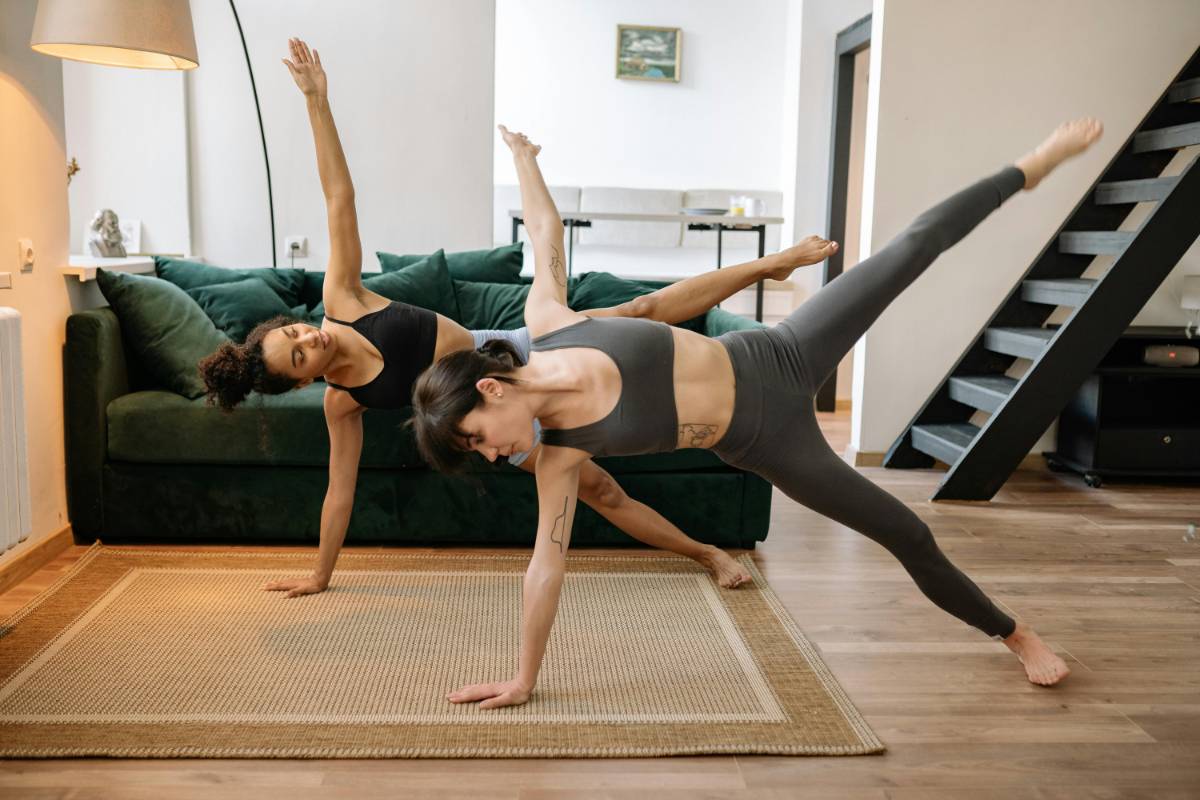
Yoga is a powerful practice that can significantly improve your flexibility, balance, and overall well-being. For beginners, starting a yoga practice with the goal of enhancing flexibility can be both rewarding and beneficial. In this guide, we’ll explore the basics of yoga for flexibility, including key poses, tips for getting started, and how to create a routine that works for you.
5 min read | 05 Feb 2025
Why Flexibility is Important for Overall Fitness
Flexibility is often overlooked in the pursuit of fitness, but it plays a crucial role in overall health and performance. Many people focus primarily on strength, endurance, or cardiovascular fitness, neglecting the importance of maintaining and improving flexibility. In this article, we’ll explore why flexibility is essential for overall fitness and how incorporating it into your routine can benefit your body.

5 min read | 04 Feb 2025
How to Track Your Cardio Fitness Progress
Tracking your cardio fitness progress is essential for understanding how well you’re doing and making necessary adjustments to your routine. Whether you’re a beginner or an experienced athlete, monitoring your progress helps you stay motivated, set achievable goals, and improve your overall fitness. In this article, we’ll explore various methods and tools for tracking your cardio fitness progress and provide tips on how to effectively use them.
4 min read | 03 Feb 2025
Cardio Workouts That Don’t Require Equipment
Cardio workouts are essential for improving cardiovascular health, burning calories, and boosting overall fitness. The good news is that you don’t need fancy equipment to get an effective cardio workout. There are plenty of exercises you can do with just your body weight that can provide an excellent cardiovascular challenge. In this article, we’ll explore a variety of cardio workouts that don’t require any equipment, making it easy to stay fit from the comfort of your home or outdoors.
4 min read | 02 Feb 2025
How to Choose the Right Cardio Equipment for Home Workouts
Choosing the right cardio equipment for home workouts can significantly impact your exercise routine and overall fitness. With a variety of options available, it’s essential to select equipment that aligns with your fitness goals, space, and budget. In this article, we’ll explore the factors to consider when choosing cardio equipment for home workouts and review popular options to help you make an informed decision.
4 min read | 01 Feb 2025
The Benefits of Steady-State vs. Interval Cardio
Cardiovascular exercise is a key component of a balanced fitness routine, and two popular types of cardio are steady-state and interval training. Both methods have their unique benefits and can contribute to overall fitness and health in different ways. In this article, we’ll explore the benefits of steady-state cardio and interval cardio, compare the two approaches, and help you determine which might be best suited for your fitness goals.
RECENT POSTS
1
Benefits of Using a Shaving Brush
5 min read | 12 Mar 20252
How to Choose the Right Razor for Your Skin
2 min read | 11 Mar 20253
Tips for Preventing Razor Burn
2 min read | 10 Mar 20254
The Importance of Using Aftershave Lotion
3 min read | 09 Mar 20255
How to Achieve a Smooth Shave Every Time
5 min read | 08 Mar 20256
Tips for Buying Fragrances Online
5 min read | 07 Mar 2025MORE POSTS

The Benefits of Meal Prepping for Weight Loss
2 min read | 19 Jan 2025
Low-Carb vs. Low-Fat Diets: What Works Best?
5 min read | 18 Jan 2025
The Role of Fiber in Weight Management
4 min read | 17 Jan 2025
Understanding Macronutrients and Micronutrients for Weight Loss
4 min read | 16 Jan 2025
The Role of Nutrition in Supporting Your Workout Routine
4 min read | 16 Apr 2025