Daily Habits for Healthier Hair

 By Sayan Gosh |
 5 min read
|14 Apr 2025Maintaining healthy hair requires more than just using the right products; it involves adopting daily habits that support your hair’s overall health and vitality. Incorporating these simple practices into your routine can help keep your hair looking its best. Here’s a guide to daily habits that promote healthier hair.

Follow a Balanced Diet
A healthy diet is crucial for maintaining strong and vibrant hair. Ensure your diet includes a variety of nutrients essential for hair health, such as proteins, vitamins, and minerals. Foods rich in omega-3 fatty acids, like salmon and flaxseeds, support hair strength and shine. Additionally, vitamins A, C, D, and E, as well as minerals like zinc and iron, play vital roles in hair growth and repair. Aim to consume a balanced diet that supports overall health and nourishes your hair from within.
Stay Hydrated
Proper hydration is key to maintaining healthy hair. Drinking enough water helps keep your scalp and hair moisturized, reducing dryness and brittleness. Aim to drink at least eight glasses of water a day to ensure your body and hair stay hydrated. If you find it challenging to drink enough water, try adding hydrating foods like cucumbers and watermelon to your diet.

Avoid Over-Washing
Washing your hair too frequently can strip it of its natural oils, leading to dryness and damage. Aim to wash your hair 2-3 times a week, or as needed based on your hair type and lifestyle. Use a gentle, sulfate-free shampoo to cleanse your hair without causing excessive dryness. If you have oily hair, consider using a dry shampoo between washes to absorb excess oil and refresh your hair.
Use Conditioner Regularly
Conditioning is essential for maintaining moisture and preventing hair damage. Apply conditioner to the mid-lengths and ends of your hair after shampooing to help detangle and smooth your strands. Choose a conditioner that suits your hair type, whether it’s for hydration, volume, or color protection. Regular conditioning helps keep your hair soft, manageable, and less prone to breakage.
Avoid Heat Styling

Excessive use of heat styling tools, such as blow dryers, curling irons, and straighteners, can lead to hair damage and breakage. If you need to use heat styling tools, apply a heat protectant spray to shield your hair from heat damage. Consider allowing your hair to air-dry whenever possible and limit heat styling to reduce the risk of damage. Embrace heat-free styling options like braiding or using rollers for a healthier approach to styling.
Protect Your Hair While Sleeping
Protecting your hair while you sleep can help prevent breakage and damage. Consider using a silk or satin pillowcase, as these materials cause less friction compared to cotton pillowcases. Alternatively, you can wrap your hair in a silk or satin scarf or sleep with your hair in a loose braid to reduce friction and minimize damage while you sleep.

Avoid Tight Hairstyles
Tight hairstyles, such as ponytails or buns, can put excessive stress on your hair and scalp, leading to breakage and hair loss. Opt for looser hairstyles that don’t pull on your hair too tightly. If you need to tie your hair back, use a soft hair tie or scrunchie to minimize damage and prevent breakage.
Trim Regularly
Regular trims are essential for maintaining healthy hair and preventing split ends. Aim to get a trim every 6-8 weeks to keep your hair looking fresh and free from damaged ends. Trimming helps promote healthy growth by removing split ends and preventing further damage. If you’re trying to grow your hair longer, regular trims can help keep your hair healthy and prevent breakage.
Use Hair Masks
Incorporating hair masks into your routine can provide deep conditioning and nourishment. Use a hair mask once a week or as needed based on your hair type and concerns. Choose a mask that addresses your specific needs, whether it’s for hydration, repair, or strengthening. Apply the mask after shampooing and leave it on for the recommended time before rinsing thoroughly.
Be Gentle When Brushing

Brushing your hair gently can prevent breakage and damage. Use a wide-tooth comb or a brush with soft bristles to detangle your hair, starting from the ends and working your way up. Avoid brushing your hair when it’s wet, as wet hair is more prone to breakage. If you need to detangle wet hair, use a wide-tooth comb or a brush designed for wet hair.
By incorporating these daily habits into your routine, you can support the health and vitality of your hair. Remember that consistency is key, and adopting these practices will help you achieve and maintain healthier, more beautiful hair over time.
Trending Around the Web
About the Author
Sayan Gosh
Sayan Gosh is a passionate health and wellness advocate, with a deep understanding of the challenges modern parents face. With a focus on holistic well-being, Sayan Gosh aims to empower mothers and families with practical tips, science-backed advice, and inspiring stories to promote a healthy lifestyle. Whether it's nutrition, fitness, mental health, or parenting, Sayan Gosh is committed to making health and wellness approachable and accessible for every SuperMoomy reader.
MORE ARTICLES
2 min read | 29 Jan 2025
Understanding Serving Sizes vs. Portion Sizes
Understanding the difference between serving sizes and portion sizes is crucial for effective portion control and maintaining a balanced diet. While these terms are often used interchangeably, they have distinct meanings and implications for managing food intake. This article will clarify the differences between serving sizes and portion sizes, their importance in nutrition, and how to use this knowledge to make healthier food choices.

4 min read | 28 Jan 2025
The Psychology of Portion Sizes
Portion sizes play a significant role in shaping our eating behaviors and influencing our overall health. The psychology behind portion sizes reveals how our perceptions and habits can impact how much we eat, even when we're not hungry. Understanding these psychological factors can help us make more informed choices about portion sizes and develop healthier eating habits. This article explores the psychology of portion sizes, how they affect our eating behaviors, and strategies for managing portion sizes effectively.

2 min read | 27 Jan 2025
Using Portion Control Plates and Tools
Portion control is a crucial aspect of maintaining a balanced diet and managing weight effectively. Utilizing portion control plates and tools can simplify the process of measuring and managing food portions, making it easier to adhere to nutritional goals and prevent overeating. This article explores the benefits of using portion control plates and tools, provides practical tips on how to use them effectively, and highlights some common options available to support your portion control efforts.
4 min read | 26 Jan 2025
Portion Control for Weight Management
Portion control is a critical component of effective weight management. It involves regulating the amount of food consumed during each meal to help maintain a healthy weight and support overall health. Understanding and implementing portion control can prevent overeating, ensure balanced nutrition, and assist in achieving weight-related goals. This article explores the importance of portion control for weight management, practical strategies to implement it, and common pitfalls to avoid.

4 min read | 25 Jan 2025
How to Measure Portion Sizes at Home
Measuring portion sizes accurately is a crucial step in maintaining a balanced diet and managing calorie intake. Proper portion control helps you enjoy a variety of foods while ensuring you meet your nutritional goals. By measuring portion sizes at home, you can better manage your food intake, avoid overeating, and maintain a healthy lifestyle. This article provides practical tips and techniques for measuring portion sizes effectively at home.

3 min read | 24 Jan 2025
The Science Behind Portion Control
Portion control is a fundamental aspect of maintaining a balanced diet and achieving overall health. It involves managing the amount of food consumed to ensure nutritional needs are met without overeating. The science behind portion control reveals how our body processes food, the factors influencing hunger and satiety, and practical strategies for effective portion management. This article delves into the scientific principles of portion control and how it can support a healthier lifestyle.
RECENT POSTS
1
How to Stay Motivated to Exercise Regularly
4 min read | 01 Feb 20252
Choosing the Right Exercise Equipment for Your Goals
5 min read | 31 Jan 20253
High-Intensity Interval Training (HIIT) Explained
3 min read | 30 Jan 20254
The Importance of Flexibility and Stretching in Your Fitness Routine
3 min read | 29 Jan 20255
How to Get Started with Cardio Exercises
5 min read | 28 Jan 20256
The Benefits of Strength Training for Weight Loss
4 min read | 27 Jan 2025MORE POSTS

Creating a Holistic Approach: Combining Nutrition, Exercise, and Personal Care
2 min read | 14 Apr 2025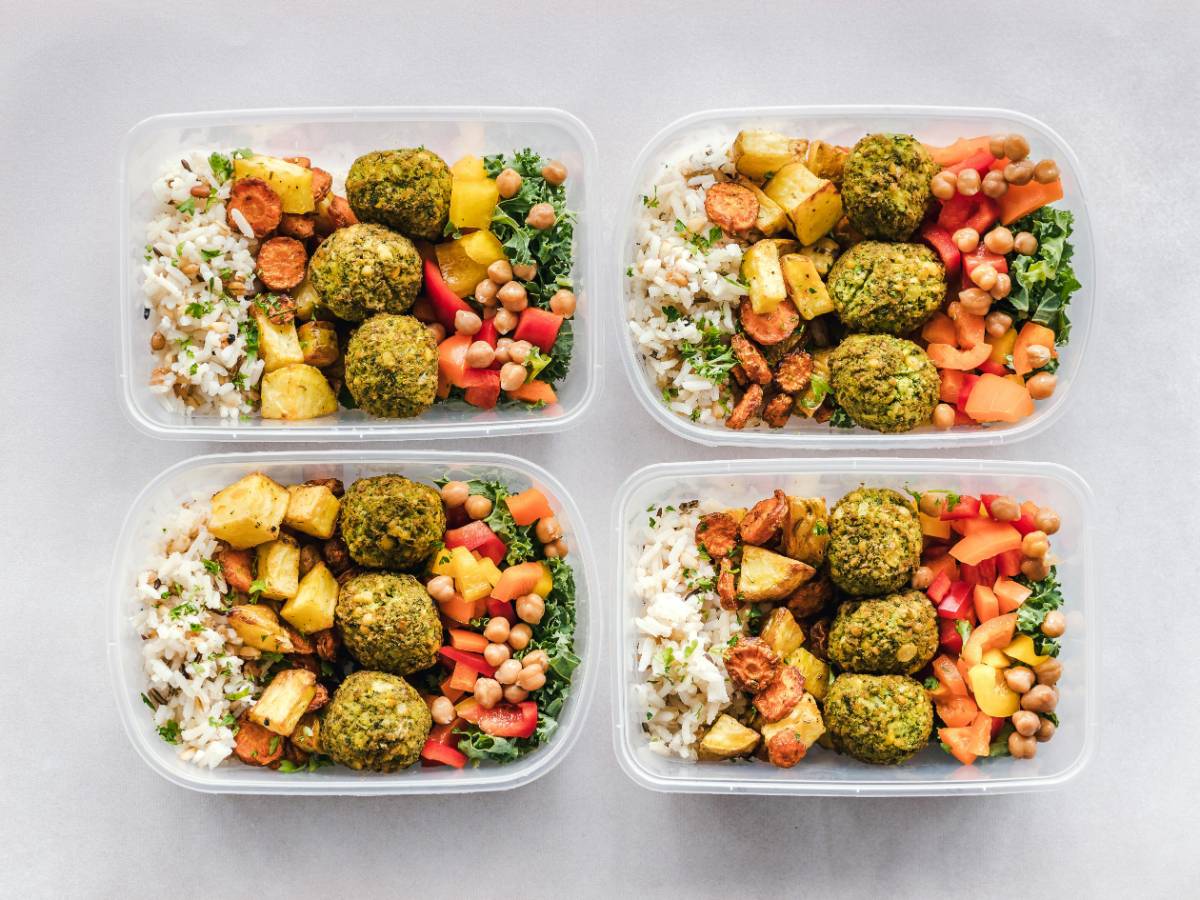
How to Incorporate Healthy Foods into Your Pre- and Post-Workout Meals
5 min read | 13 Apr 2025
The Best Skincare Practices for Active Individuals
3 min read | 12 Apr 2025
Top 10 Healthy Eating Habits for Weight Loss and Fitness
3 min read | 11 Apr 2025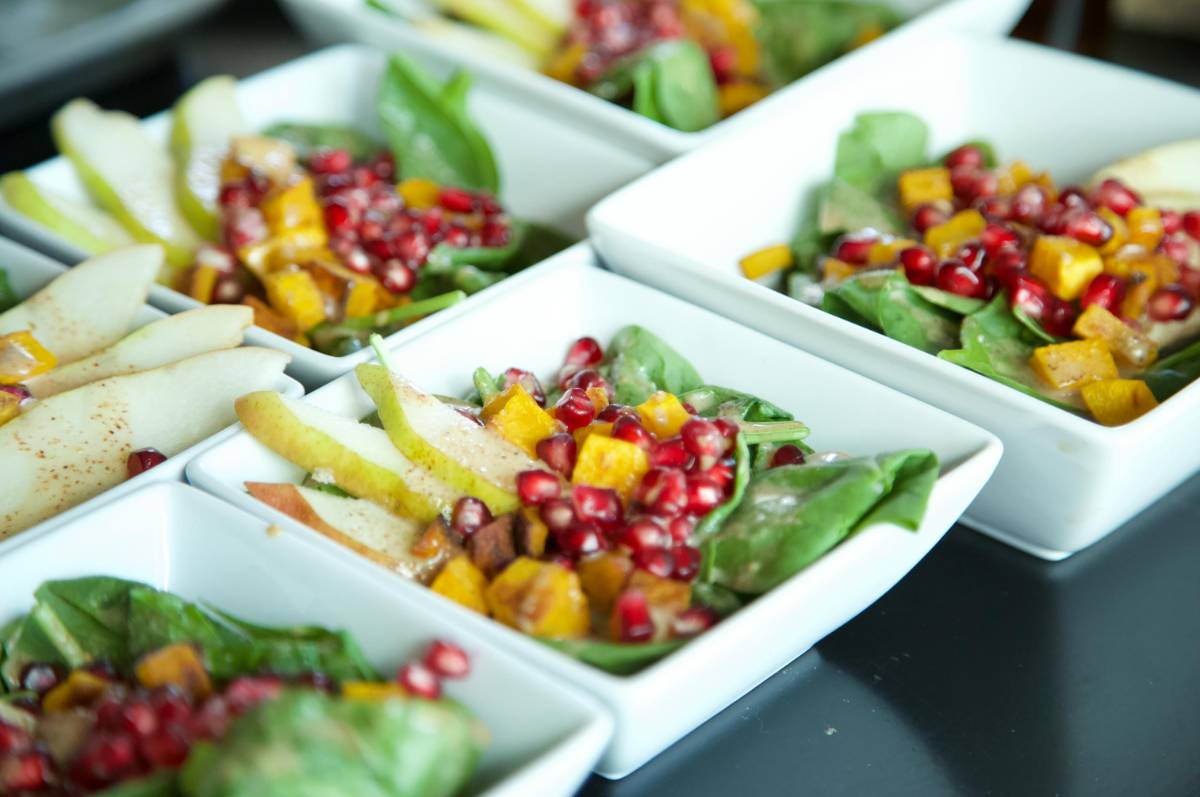
How to Develop a Balanced Diet to Complement Your Exercise Routine
4 min read | 10 Apr 2025