Daily Personal Care Habits That Boost Your Workout Performance

 By Sayan Gosh |
 3 min read
|09 Apr 2025Incorporating daily personal care habits into your routine can significantly enhance your workout performance and overall fitness. By focusing on habits that support your body and mind, you can improve your exercise efficiency, boost recovery, and achieve better results. Here are some essential daily personal care habits that can elevate your workout performance.

Establish a Consistent Sleep Schedule
Quality sleep is crucial for optimal workout performance and recovery. Aim to get 7-9 hours of restful sleep each night to support muscle repair, hormone regulation, and overall health. Establish a consistent sleep schedule by going to bed and waking up at the same time every day. Create a relaxing bedtime routine, such as reading or meditating, to improve sleep quality and ensure you wake up refreshed and ready for your workouts.
Stay Hydrated Throughout the Day
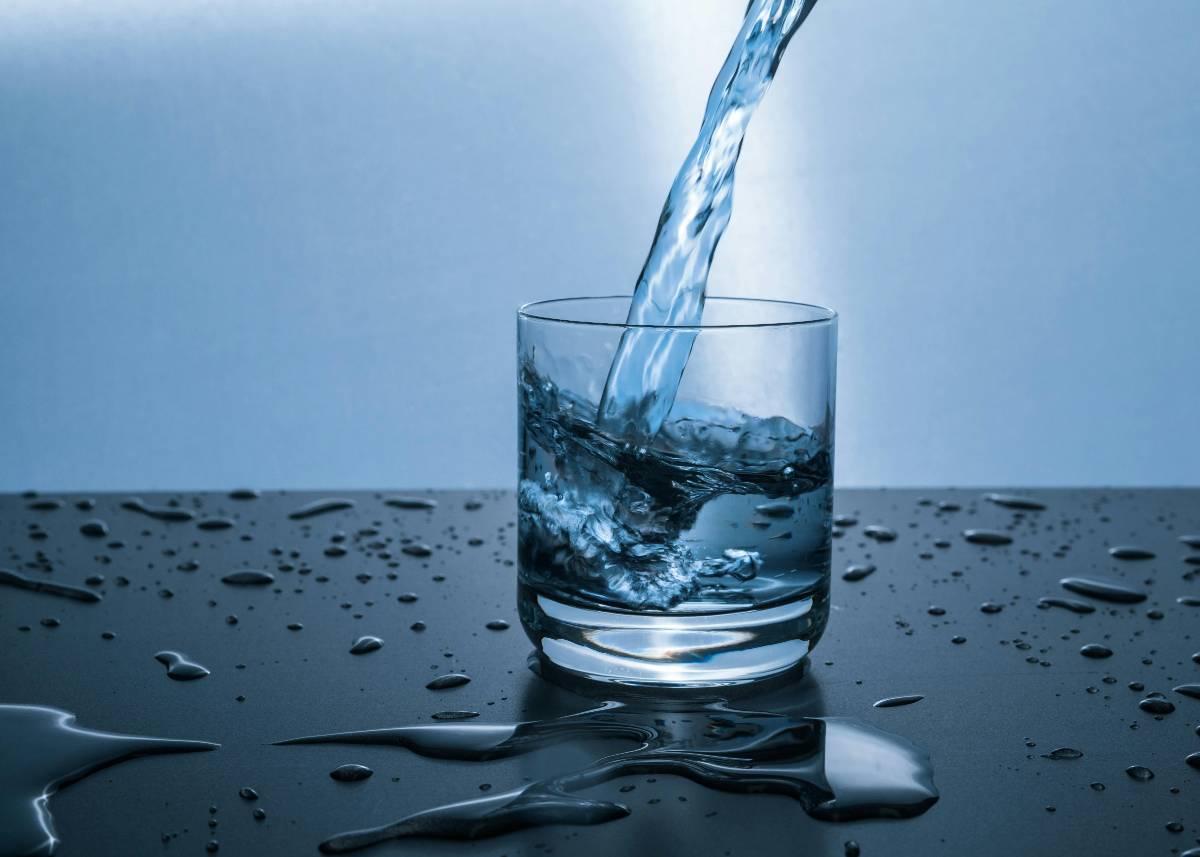
Proper hydration is vital for maintaining energy levels and supporting physical performance. Drink water consistently throughout the day, not just during your workouts. Aim to consume at least 8 glasses of water daily, and increase your intake if you engage in intense exercise. Staying hydrated helps regulate body temperature, improve endurance, and prevent dehydration-related fatigue.

Maintain a Balanced Diet
A balanced diet provides the necessary nutrients to fuel your workouts and support recovery. Incorporate a variety of nutrient-dense foods into your daily meals, including fruits, vegetables, lean proteins, whole grains, and healthy fats. Proper nutrition helps sustain energy levels, promote muscle growth, and enhance overall performance. Plan your meals to include a good mix of carbohydrates, proteins, and fats to meet your fitness needs.
Practice Proper Skin Care

Taking care of your skin can impact your workout experience and overall comfort. Cleanse your skin before and after exercising to remove sweat, dirt, and bacteria that can cause breakouts or irritation. Use gentle, non-comedogenic skincare products to avoid clogging pores. Applying moisturizer can help keep your skin hydrated and protected, especially after a workout.
Incorporate Stretching and Warm-Ups

Preparing your body for exercise with stretching and warm-ups is essential for preventing injury and improving performance. Incorporate dynamic stretching or light cardio exercises before your workouts to increase blood flow and flexibility. After exercising, perform static stretches to help relax your muscles and enhance recovery. Consistent stretching and warm-ups can improve your range of motion and reduce the risk of strains and injuries.
Practice Stress Management
Managing stress is important for overall well-being and workout performance. High stress levels can negatively impact your motivation, energy, and recovery. Incorporate stress-reducing activities into your daily routine, such as meditation, deep breathing exercises, or engaging in hobbies you enjoy. Effective stress management helps maintain mental clarity, emotional balance, and supports a more focused and productive workout.

Use Proper Workout Gear
Wearing appropriate workout gear can enhance your comfort and performance during exercise. Choose moisture-wicking clothing to keep sweat away from your skin and reduce chafing. Invest in supportive and well-fitting footwear to prevent injuries and provide stability during workouts. Quality gear can improve your exercise experience and contribute to better results.

Listen to Your Body
Paying attention to your body’s signals is essential for optimizing your workout performance. If you experience pain, discomfort, or excessive fatigue, it may be a sign that you need to adjust your routine or take a rest. Listen to your body’s cues and modify your workouts as needed to avoid overtraining and ensure a safe and effective exercise regimen.
Stay Consistent with Recovery Practices
Recovery is a crucial part of any fitness routine. Incorporate daily recovery practices, such as foam rolling, stretching, or light activity, to help alleviate muscle soreness and improve flexibility. Ensure you are allowing adequate rest between intense workouts to support muscle repair and prevent overuse injuries. Consistent recovery practices enhance overall performance and long-term progress.
Seek Professional Advice

For personalized guidance and support, consider consulting with fitness professionals or personal trainers. They can provide tailored recommendations based on your individual needs, goals, and fitness level. Professional advice can help you optimize your daily personal care habits and maximize your workout performance effectively.
By integrating these daily personal care habits into your routine, you can boost your workout performance, enhance recovery, and achieve better overall results. Prioritize sleep, hydration, nutrition, skin care, and stress management to support your fitness goals and maintain a balanced approach to health and wellness. With these habits in place, you’ll be well on your way to reaching your full potential in your fitness journey.
Trending Around the Web
About the Author
Sayan Gosh
Sayan Gosh is a passionate health and wellness advocate, with a deep understanding of the challenges modern parents face. With a focus on holistic well-being, Sayan Gosh aims to empower mothers and families with practical tips, science-backed advice, and inspiring stories to promote a healthy lifestyle. Whether it's nutrition, fitness, mental health, or parenting, Sayan Gosh is committed to making health and wellness approachable and accessible for every SuperMoomy reader.
MORE ARTICLES
4 min read | 10 Feb 2025
How Much Water Should You Drink Daily?
Determining how much water you should drink daily is a common question and essential for maintaining good health. Hydration needs can vary based on several factors, including age, gender, activity level, and overall health. In this article, we'll explore general guidelines for daily water intake, factors that influence hydration needs, and practical tips for ensuring you stay properly hydrated.

5 min read | 09 Feb 2025
The Role of Hydration in Overall Health
Hydration plays a critical role in maintaining overall health and well-being. Our bodies are composed mostly of water, and staying properly hydrated supports numerous physiological functions, including digestion, circulation, and temperature regulation. In this article, we'll explore the importance of hydration, how to ensure you're drinking enough water, and the impact of proper hydration on various aspects of health.

4 min read | 08 Feb 2025
How to Identify and Avoid Processed Foods
Processed foods have become a staple in many diets, but they often contain added sugars, unhealthy fats, and artificial ingredients that can negatively impact your health. Identifying and avoiding processed foods is an essential step toward a healthier diet. In this article, we will provide practical tips for recognizing processed foods and strategies for making healthier choices.

3 min read | 07 Feb 2025
The Environmental Benefits of Choosing Whole Foods
Choosing whole foods not only benefits your health but also has a significant positive impact on the environment. Whole foods, which include fruits, vegetables, whole grains, nuts, seeds, and lean proteins, are minimally processed and often come from sustainable farming practices. In this article, we will explore the environmental benefits of incorporating more whole foods into your diet and how these choices contribute to a healthier planet.

5 min read | 06 Feb 2025
Cooking with Whole Foods: Easy Recipes to Get Started
Cooking with whole foods can transform your meals into nourishing and flavorful experiences. Whole foods are minimally processed and packed with essential nutrients, making them an excellent choice for maintaining a healthy diet. If you're new to cooking with whole foods, starting with simple recipes can make the transition smoother. In this article, we'll explore easy and delicious recipes that highlight the benefits of whole foods and provide a great foundation for your culinary journey.

4 min read | 05 Feb 2025
How to Transition to a Whole Foods Diet
Transitioning to a whole foods diet can be a transformative journey towards better health and well-being. Whole foods are minimally processed and retain most of their natural nutrients, offering numerous benefits such as improved digestion, better energy levels, and a reduced risk of chronic diseases. However, making this shift can be challenging if you're accustomed to a diet high in processed foods. This article provides a step-by-step guide on how to transition smoothly to a whole foods diet and maintain it long-term.
RECENT POSTS
1
How to Design a Home Workout Routine with Minimal Equipment
2 min read | 10 Apr 20252
Effective Strength Training Exercises for Building Muscle
2 min read | 09 Apr 20253
High-Intensity Interval Training (HIIT): Benefits and Sample Routines
2 min read | 08 Apr 20254
How to Create a Balanced Workout Routine for Overall Fitness
2 min read | 07 Apr 20255
The Ultimate Full-Body Workout Routine for Beginners
2 min read | 06 Apr 20256
Combining Endurance Training with Strength Workouts for Balanced Fitness
4 min read | 05 Apr 2025MORE POSTS

How to Reduce Salt in Your Cooking
3 min read | 14 Mar 2025
The Health Risks of Excess Sodium Intake
4 min read | 13 Mar 2025
Recipes for Low-Sugar Desserts and Snacks
5 min read | 12 Mar 2025
Understanding Hidden Sugars in Processed Foods
2 min read | 11 Mar 2025
How Reducing Sugar Can Improve Your Energy Levels
4 min read | 10 Mar 2025