The Role of Exercise in Achieving Your Weight Loss Goals

 By Aditi Sharma |
 5 min read
|08 Apr 2025Exercise plays a crucial role in achieving weight loss goals by boosting metabolism, burning calories, and improving overall health. Incorporating regular physical activity into your routine can enhance your weight loss efforts and contribute to long-term success. Here’s how exercise supports weight loss and how to effectively integrate it into your lifestyle.

Boosts Metabolism
Regular exercise increases your metabolic rate, helping your body burn more calories even when at rest. Engaging in physical activity stimulates your muscles and increases energy expenditure, which can contribute to a greater caloric deficit. Both cardiovascular exercises and strength training can elevate your metabolism and support weight loss.
Burns Calories
Exercise helps burn calories, which is essential for weight loss. Different types of workouts contribute to calorie burning in various ways:

Cardiovascular Exercise: Activities like running, cycling, and swimming increase your heart rate and burn calories during and after exercise. Cardio workouts are effective for burning a significant amount of calories and improving cardiovascular health.
Strength Training: Lifting weights or performing bodyweight exercises helps build muscle mass. Since muscle tissue burns more calories at rest compared to fat tissue, increasing your muscle mass through strength training can elevate your resting metabolic rate and support long-term weight loss.
Enhances Mood and Motivation

Exercise is not only beneficial for physical health but also for mental well-being. Engaging in physical activity releases endorphins, which are natural mood enhancers. Regular exercise can reduce stress, improve mood, and boost motivation, making it easier to stay committed to your weight loss goals.
Supports Healthy Weight Maintenance

Incorporating exercise into your routine is crucial not only for losing weight but also for maintaining a healthy weight in the long term. Regular physical activity helps prevent weight regain by supporting a healthy metabolism, reducing body fat, and promoting overall fitness. Developing a consistent exercise routine can help you maintain your weight loss and prevent future weight fluctuations.
Improves Body Composition
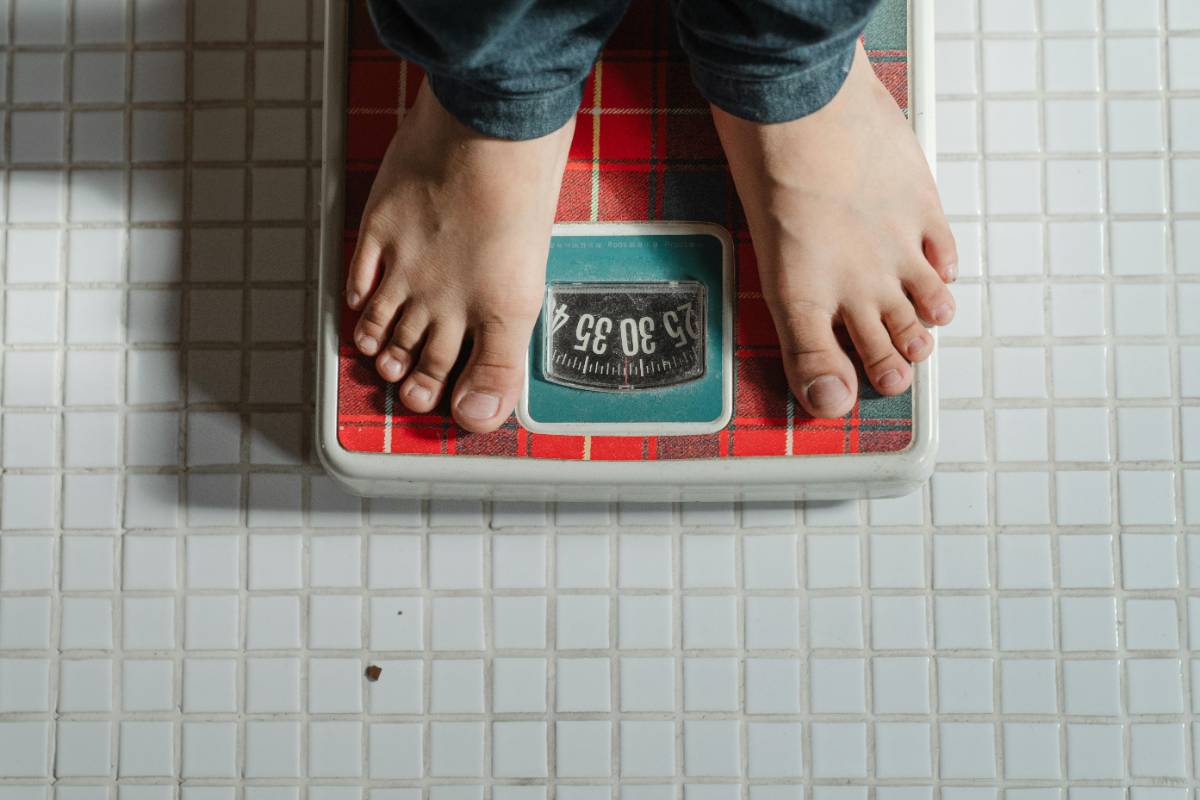
Exercise contributes to a healthier body composition by reducing body fat and increasing lean muscle mass. While the scale is one measure of progress, focusing on body composition can provide a more accurate picture of your health and fitness. Strength training and cardiovascular exercises work together to help you achieve a balanced and toned physique.
Sets Realistic Goals and Tracking Progress
Setting realistic exercise goals and tracking your progress can help you stay motivated and committed to your weight loss journey. Start with achievable goals, such as incorporating 30 minutes of exercise into your daily routine, and gradually increase intensity and duration. Use fitness apps or journals to monitor your workouts and celebrate your achievements along the way.

Find Activities You Enjoy
To maintain a consistent exercise routine, choose activities you enjoy and look forward to. Whether it’s dancing, hiking, playing sports, or practicing yoga, engaging in activities you find enjoyable can make exercising more fun and sustainable. Variety in your workout routine can also help prevent boredom and keep you motivated.
Combine Exercise with a Balanced Diet
While exercise is essential for weight loss, combining it with a balanced diet enhances its effectiveness. A nutritious diet provides the energy needed for workouts, supports muscle recovery, and contributes to overall health. Focus on consuming a variety of whole foods, including lean proteins, complex carbohydrates, and healthy fats, to complement your exercise routine.
Consult with a Professional

If you’re new to exercise or have specific health concerns, consider consulting a fitness professional or personal trainer. They can provide personalized guidance, help you develop a safe and effective workout plan, and ensure you’re using proper form to prevent injury and maximize results.
By integrating exercise into your weight loss plan, you can achieve a healthier, more sustainable approach to reaching your goals. Regular physical activity enhances metabolism, burns calories, and supports overall well-being, making it a vital component of a successful weight loss strategy.
Trending Around the Web
About the Author
Aditi Sharma
Aditi Sharma is a passionate health and wellness advocate, with a deep understanding of the challenges modern parents face. With a focus on holistic well-being, Aditi Sharma aims to empower mothers and families with practical tips, science-backed advice, and inspiring stories to promote a healthy lifestyle. Whether it's nutrition, fitness, mental health, or parenting, Aditi Sharma is committed to making health and wellness approachable and accessible for every SuperMoomy reader.
MORE ARTICLES

3 min read | 15 Apr 2025
Tips for Maintaining Weight Loss After Reaching Your Goal
Achieving your weight loss goal is a significant accomplishment, but maintaining your new weight can be just as challenging. Once you’ve reached your target weight, it’s important to adopt strategies to ensure you keep the weight off and continue to live a healthy lifestyle. Here are some tips for maintaining weight loss after reaching your goal.

4 min read | 14 Apr 2025
How to Read Nutrition Labels to Support Your Weight Loss Goals
Reading nutrition labels is an essential skill for managing your weight and making informed dietary choices. Nutrition labels provide valuable information about the nutrient content of food products, helping you to select options that align with your weight loss goals. Here’s a guide on how to read nutrition labels effectively to support your weight management efforts.

4 min read | 13 Apr 2025
The Role of Protein in Weight Loss and How to Include It in Your Diet
Protein plays a significant role in weight loss and overall health. As a crucial macronutrient, protein supports various bodily functions, including muscle repair, hormone production, and immune system support. Understanding how protein contributes to weight loss and finding ways to include it in your diet can enhance your weight management efforts. Here’s a guide on the role of protein in weight loss and tips for incorporating it into your meals.

5 min read | 12 Apr 2025
Low-Carb Diets: Do They Really Work for Weight Loss?
Low-carb diets have gained popularity as a weight loss strategy, with many people finding success with various low-carb eating plans. These diets typically involve reducing the intake of carbohydrates, which can lead to changes in metabolism and appetite. But do low-carb diets really work for weight loss? Here’s an in-depth look at how low-carb diets function and their effectiveness for weight management.

4 min read | 11 Apr 2025
The Importance of Portion Control in Weight Loss
Portion control is a crucial aspect of weight loss and overall healthy eating. It involves managing the quantity of food you consume to avoid overeating and maintain a balanced diet. Proper portion control helps regulate calorie intake, supports weight management, and promotes long-term health. Here’s why portion control is important for weight loss and how you can effectively implement it.

4 min read | 10 Apr 2025
How to Reduce Emotional Eating for Better Weight Management
Emotional eating, or eating in response to emotions rather than hunger, can hinder weight management and overall health. Recognizing the triggers and finding effective strategies to manage emotional eating are essential for achieving better weight control. Here’s a guide on how to reduce emotional eating and maintain a healthier relationship with food.
RECENT POSTS
1
How to Incorporate Core Training into Your Cardio Routine
5 min read | 13 Mar 20252
Top 5 Mistakes to Avoid in Core Training
3 min read | 12 Mar 20253
Using Stability Balls for Core Training
4 min read | 11 Mar 20254
Effective Core Workouts for Improved Posture
5 min read | 10 Mar 20255
How to Create a Core Training Routine
2 min read | 09 Mar 20256
Best Core Exercises for Beginners
2 min read | 08 Mar 2025MORE POSTS

Importance of Using SPF on Your Body
3 min read | 18 Feb 2025
How to Choose the Right Body Lotion
2 min read | 17 Feb 2025
The Benefits of Regular Body Exfoliation
2 min read | 16 Feb 2025
How to Care for Sensitive Teeth
2 min read | 15 Feb 2025
The Role of Fluoride in Toothpaste
2 min read | 14 Feb 2025