The Ultimate Skincare Routine for Every Skin Type
 By Aditi Sharma |
 5 min read
|06 Apr 2025A good skincare routine is essential for maintaining healthy, glowing skin. However, with so many products and techniques available, it can be challenging to know where to start, especially since every skin type has unique needs. Whether you have oily, dry, combination, or sensitive skin, following a tailored skincare routine can help address specific concerns while keeping your skin balanced and radiant. Here’s a comprehensive guide to building the ultimate skincare routine for every skin type.

Cleanser: The Foundation of Your Routine
No matter your skin type, a gentle cleanser is the foundation of any skincare routine. Cleansing helps remove dirt, oil, makeup, and impurities that accumulate on the skin throughout the day. When choosing a cleanser, opt for one that suits your skin type:
Oily Skin: Look for a foaming or gel-based cleanser that can help control excess oil production without stripping your skin.
Dry Skin: A creamy, hydrating cleanser can help retain moisture and prevent your skin from feeling tight or dry after washing.

Combination Skin: Choose a gentle cleanser that balances both dry and oily areas of your face.
Sensitive Skin: Opt for a fragrance-free, hypoallergenic cleanser to avoid irritation.
Toner: Refresh and Balance Your Skin

Toners are designed to remove any remaining impurities after cleansing and help balance your skin’s pH levels. Depending on your skin type, the right toner can provide additional benefits:
Oily Skin: A toner with witch hazel or salicylic acid can help control oil production and minimize pores.

Dry Skin: Look for a hydrating toner with ingredients like hyaluronic acid or glycerin to provide moisture.
Combination Skin: Choose a toner that balances oil control and hydration, such as one with niacinamide.
Sensitive Skin: A soothing toner with chamomile or aloe vera can help calm irritation and reduce redness.
Moisturizer: Hydrate and Protect Your Skin
Moisturizing is essential for keeping your skin hydrated and protected, regardless of skin type. A good moisturizer helps seal in moisture and strengthen the skin’s barrier. Here’s what to consider when choosing a moisturizer:

Oily Skin: A lightweight, oil-free moisturizer with ingredients like hyaluronic acid can provide hydration without clogging pores.
Dry Skin: Rich, cream-based moisturizers with nourishing ingredients like shea butter or ceramides can help replenish and lock in moisture.
Combination Skin: A gel-based or light cream moisturizer can help balance moisture without making the oily areas greasy.
Sensitive Skin: Look for a gentle, fragrance-free moisturizer with soothing ingredients like oatmeal or aloe.
Sunscreen: Protect Against Harmful UV Rays

No skincare routine is complete without sunscreen. Protecting your skin from the sun’s harmful UV rays is crucial for preventing premature aging, dark spots, and skin cancer. Choose a broad-spectrum sunscreen with an SPF of at least 30, and apply it daily, even on cloudy days. Sunscreens come in different formulations to suit various skin types:
Oily Skin: Opt for an oil-free, matte finish sunscreen to prevent excess shine.
Dry Skin: Look for a hydrating sunscreen with added moisturizers to keep your skin soft and supple.
Combination Skin: A lightweight, non-greasy sunscreen will help balance both oily and dry areas.
Sensitive Skin: Choose a mineral-based sunscreen with zinc oxide or titanium dioxide to avoid irritation.
Targeted Treatments: Address Specific Skin Concerns
Once you’ve established a basic skincare routine, you can incorporate targeted treatments to address specific concerns such as acne, hyperpigmentation, or signs of aging. Depending on your needs, you may want to add the following products:
Serums: Serums are concentrated treatments that deliver active ingredients directly into the skin. For oily or acne-prone skin, a serum with salicylic acid or niacinamide can help control breakouts. For dry or mature skin, a serum with vitamin C or retinol can boost collagen production and improve texture.
Eye Cream: If you experience puffiness, dark circles, or fine lines around the eyes, consider using an eye cream formulated to target these issues. Choose a product that suits your skin type and addresses your specific concerns.
Exfoliants: Exfoliating helps remove dead skin cells and promotes cell turnover, giving your skin a smoother appearance. Be sure to choose an exfoliant that’s gentle and suitable for your skin type to avoid irritation.
Building and maintaining a skincare routine that suits your skin type is key to achieving healthy, glowing skin. Start with the basics: cleansing, toning, moisturizing, and applying sunscreen. From there, you can add targeted treatments and exfoliants to address your unique skin concerns. With consistency and the right products, you can develop a routine that helps your skin look and feel its best every day.
Trending Around the Web
About the Author
Aditi Sharma
Aditi Sharma is a passionate health and wellness advocate, with a deep understanding of the challenges modern parents face. With a focus on holistic well-being, Aditi Sharma aims to empower mothers and families with practical tips, science-backed advice, and inspiring stories to promote a healthy lifestyle. Whether it's nutrition, fitness, mental health, or parenting, Aditi Sharma is committed to making health and wellness approachable and accessible for every SuperMoomy reader.
MORE ARTICLES

3 min read | 04 Mar 2025
The Benefits of Using Natural Fragrances
Natural fragrances are becoming increasingly popular as people seek healthier and more eco-friendly alternatives to synthetic perfumes. Derived from natural sources such as flowers, fruits, and herbs, these fragrances offer a range of benefits that enhance both personal well-being and environmental sustainability. This article explores the advantages of using natural fragrances and why they might be a better choice for your scent experience.
3 min read | 03 Mar 2025
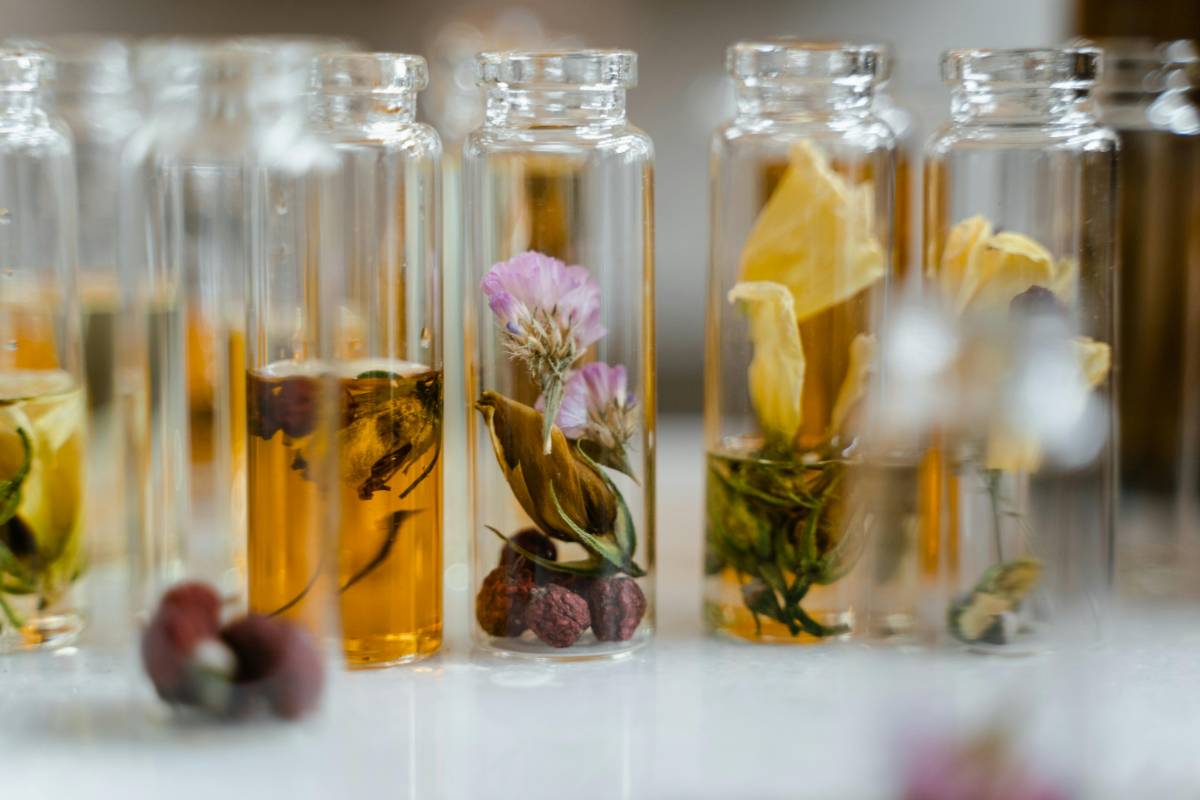
How to Store Perfume Properly
Properly storing your perfume is essential to maintaining its quality and extending its shelf life. Fragrances can be sensitive to various environmental factors, and improper storage can alter their scent and effectiveness. This article provides tips on how to store your perfume to ensure it remains fresh and vibrant.

4 min read | 02 Mar 2025
The Art of Layering Scents
Layering scents is an artful technique that allows you to create a personalized and unique fragrance experience. By combining different fragrance products, you can enhance the depth and complexity of your scent, making it truly your own. This article explores the art of layering scents, offering tips and techniques to help you master this olfactory skill.

5 min read | 01 Mar 2025
Top Fragrance Notes for Each Season
Choosing the right fragrance for each season can enhance your scent experience and complement the changing weather. Different fragrance notes resonate with various seasons, from the light, fresh scents of spring to the warm, rich aromas of winter. This article explores the top fragrance notes for each season, helping you select the perfect scent to match the time of year.

2 min read | 28 Feb 2025
How to Make Your Perfume Last Longer
Making your perfume last longer can be a challenge, especially with the variety of factors that can affect its longevity. From application techniques to storage methods, there are several strategies you can use to extend the life of your fragrance throughout the day. This article provides practical tips to help you get the most out of your favorite perfumes.
2 min read | 27 Feb 2025
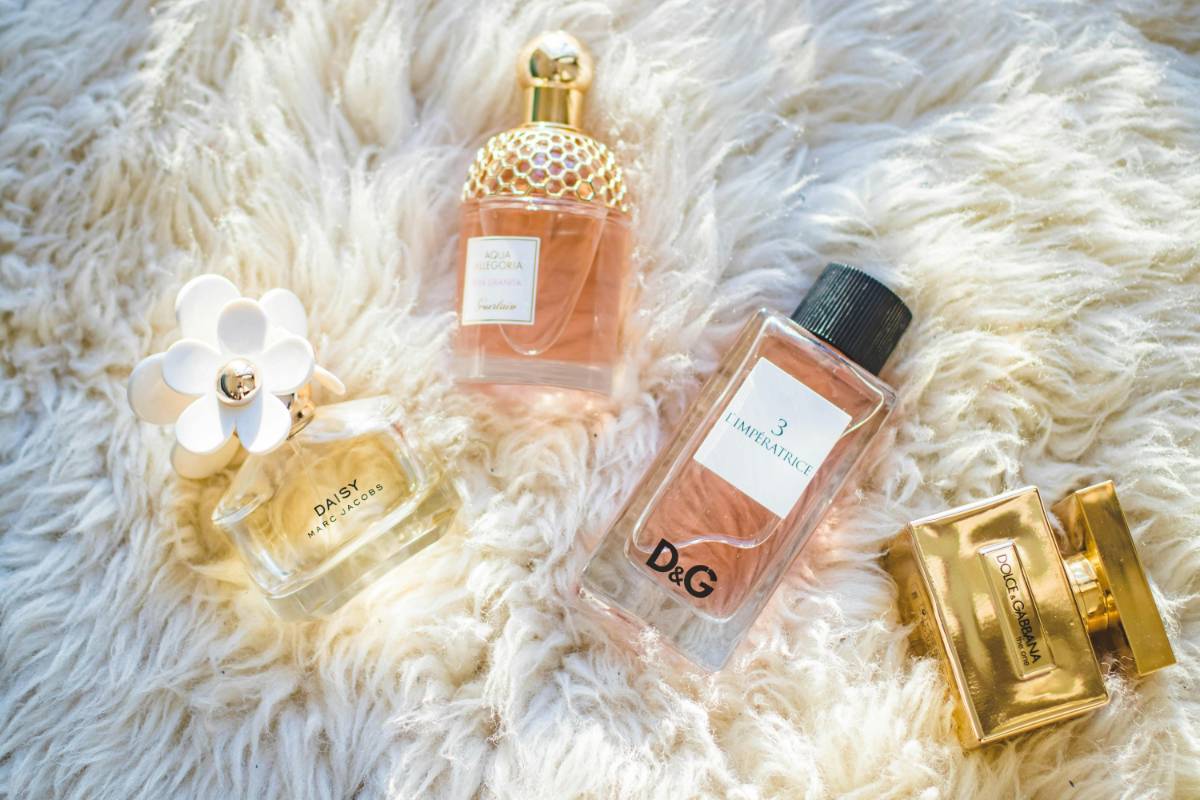
The Difference Between Eau de Parfum and Eau de Toilette
When selecting a fragrance, you’ll encounter terms like Eau de Parfum (EDP) and Eau de Toilette (EDT). These terms refer to different types of fragrance concentrations, each with its own characteristics. Understanding the difference between Eau de Parfum and Eau de Toilette can help you choose the right scent for your needs and preferences. This article breaks down the key differences between these two popular types of fragrances.
RECENT POSTS
1
Men's Grooming Essentials for Travel
2 min read | 02 Apr 20252
How to Style a Mustache
4 min read | 01 Apr 20253
The Importance of Men's Skincare
5 min read | 31 Mar 20254
Tips for Shaving Sensitive Skin
4 min read | 30 Mar 20255
How to Choose the Right Grooming Products for Men
3 min read | 29 Mar 20256
The Benefits of Using Beard Oil
4 min read | 28 Mar 2025MORE POSTS
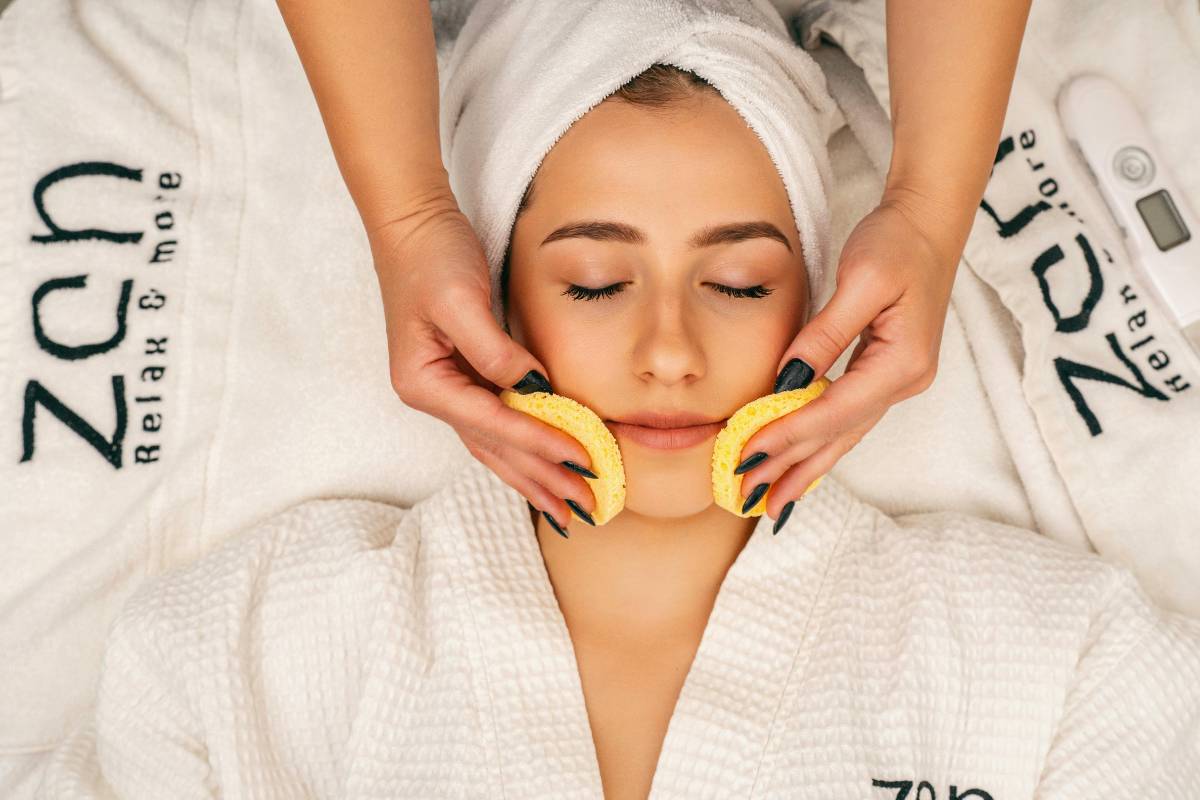
How to Create a Nighttime Routine for Better Sleep and Skin Health
3 min read | 06 Mar 2025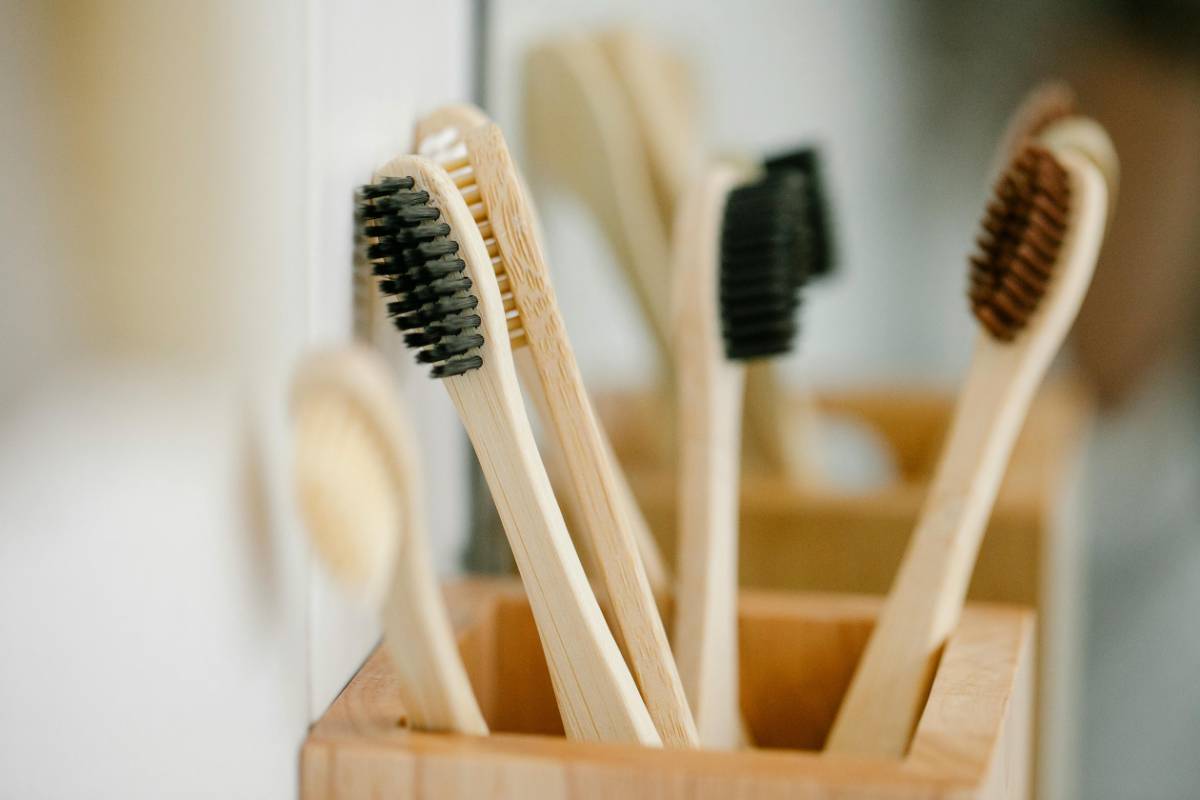
Understanding the Basics of Oral Hygiene
3 min read | 05 Mar 2025
The Role of Hydration in Personal Care
5 min read | 04 Mar 2025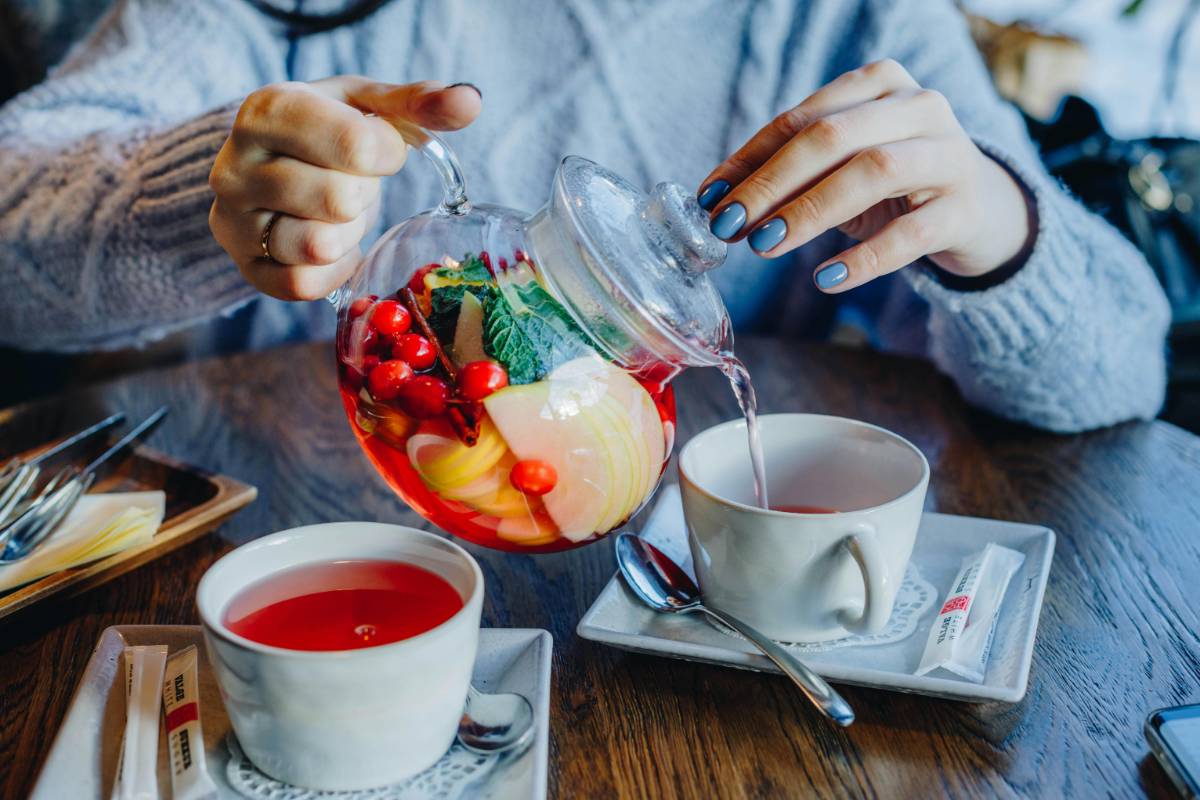
How to Maintain Healthy Nails: Tips and Tricks
2 min read | 03 Mar 2025
Choosing the Right Sunscreen for Your Skin Type
2 min read | 02 Mar 2025