How to Style a Mustache

 By Sayan Gosh |
 4 min read
|01 Apr 2025A well-styled mustache can significantly enhance your appearance and make a bold statement. Whether you're sporting a classic handlebar, a sleek pencil, or a bushy full mustache, styling it properly is key to achieving a polished look. In this guide, we’ll explore various techniques and tips for styling a mustache, helping you achieve your desired style with confidence.

Choosing the Right Mustache Style
Before you start styling, it’s important to choose a mustache style that complements your face shape and personal preference. Here are some popular mustache styles to consider:
Handlebar Mustache: Characterized by its long, curved ends that resemble handlebars, this style requires regular grooming and the use of mustache wax to maintain its shape.
Pencil Mustache: A thin, neatly trimmed mustache that follows the natural lip line. It’s subtle yet sophisticated, and works well for a refined look.

Chevron Mustache: A thick, full mustache that covers the upper lip and extends slightly beyond the corners of the mouth. This style is bold and prominent.
Full Mustache: A dense mustache that extends from one side of the face to the other, often paired with a beard. It’s a classic choice for a masculine appearance.
Preparing Your Mustache for Styling

Proper preparation is essential for achieving a well-groomed mustache. Follow these steps to ensure your mustache is ready for styling:
Trim Regularly: Keep your mustache well-trimmed to maintain its shape and prevent uneven growth. Use a pair of grooming scissors or a trimmer with a precision attachment for the best results.

Wash and Condition: Clean your mustache regularly using a mild shampoo and conditioner. This helps remove dirt, oil, and food particles while keeping the hair soft and manageable.
Dry Thoroughly: After washing, pat your mustache dry with a clean towel. Avoid rubbing it vigorously, as this can cause irritation and frizz.
Styling Your Mustache

Once your mustache is clean and dry, you can begin styling it. Here are some techniques for various mustache styles:
Handlebar Mustache

Apply Mustache Wax: Use a small amount of mustache wax and warm it between your fingers before applying it to your mustache. Start at the base and work your way to the tips, ensuring even coverage.
Shape with a Comb: Use a fine-toothed mustache comb to shape your mustache into the desired handlebar curve. Gently comb the hair outward and upward to create the signature handlebar look.
Twist the Ends: For a more defined curve, use your fingers to twist the ends of your mustache. Apply additional wax as needed to hold the shape in place.
Pencil Mustache
Define the Line: Use a precision trimmer or a pair of grooming scissors to carefully shape the pencil mustache along the natural line of your lips. Ensure the edges are clean and straight.

Maintain Thinness: Regularly trim the mustache to maintain its thin, subtle appearance. Avoid letting it grow too thick or bushy.
Chevron Mustache
Apply Mustache Wax: Apply a generous amount of mustache wax to your chevron mustache, focusing on the center and working towards the sides.
Shape and Sculpt: Use a mustache comb to shape the mustache, ensuring it extends evenly across the upper lip. For a more defined look, use your fingers to smooth and sculpt the edges.
Full Mustache
Maintain Volume: To keep your full mustache looking its best, use a beard comb to distribute mustache wax and maintain volume. Brush the hair outward to enhance its full appearance.
Trim for Shape: Regularly trim the edges of your full mustache to maintain a well-groomed look. Ensure the length is even and the mustache blends seamlessly with any beard you may have.
Additional Tips for Mustache Care
To keep your mustache looking its best, follow these additional tips:
Regular Grooming: Consistently groom and trim your mustache to prevent it from becoming unruly or uneven. A well-maintained mustache enhances your overall appearance.
Use Quality Products: Invest in high-quality mustache wax, beard oil, and grooming tools. Quality products help achieve better results and ensure your mustache remains healthy.
Avoid Over-Styling: While it’s important to style your mustache, avoid over-applying products or excessive manipulation. Over-styling can lead to buildup and damage the hair.
Keep Your Skin Healthy: Maintain healthy skin underneath your mustache by cleansing and moisturizing regularly. Healthy skin supports better mustache growth and appearance.
Consult a Professional: If you’re unsure about the best style for your face shape or need help with grooming techniques, consider consulting a professional barber. They can provide personalized advice and tips for achieving your desired look.
Conclusion
Styling a mustache involves more than just choosing a shape—it requires proper preparation, the right products, and regular maintenance. By following these tips and techniques, you can achieve a well-groomed mustache that complements your personal style and enhances your overall appearance. Remember, a well-styled mustache not only makes a statement but also reflects your attention to detail and commitment to personal care. Embrace the art of mustache styling and enjoy the confidence that comes with a polished look.
Trending Around the Web
About the Author
Sayan Gosh
Sayan Gosh is a passionate health and wellness advocate, with a deep understanding of the challenges modern parents face. With a focus on holistic well-being, Sayan Gosh aims to empower mothers and families with practical tips, science-backed advice, and inspiring stories to promote a healthy lifestyle. Whether it's nutrition, fitness, mental health, or parenting, Sayan Gosh is committed to making health and wellness approachable and accessible for every SuperMoomy reader.
MORE ARTICLES

2 min read | 22 Jan 2025
The Role of Portion Sizes in a Balanced Diet
Portion sizes play a crucial role in maintaining a balanced diet and supporting overall health. Proper portion control helps manage calorie intake, ensure nutrient balance, and prevent overeating. This article explores the importance of portion sizes in a balanced diet and provides practical tips for managing portions to achieve your health and nutrition goals.
5 min read | 21 Jan 2025
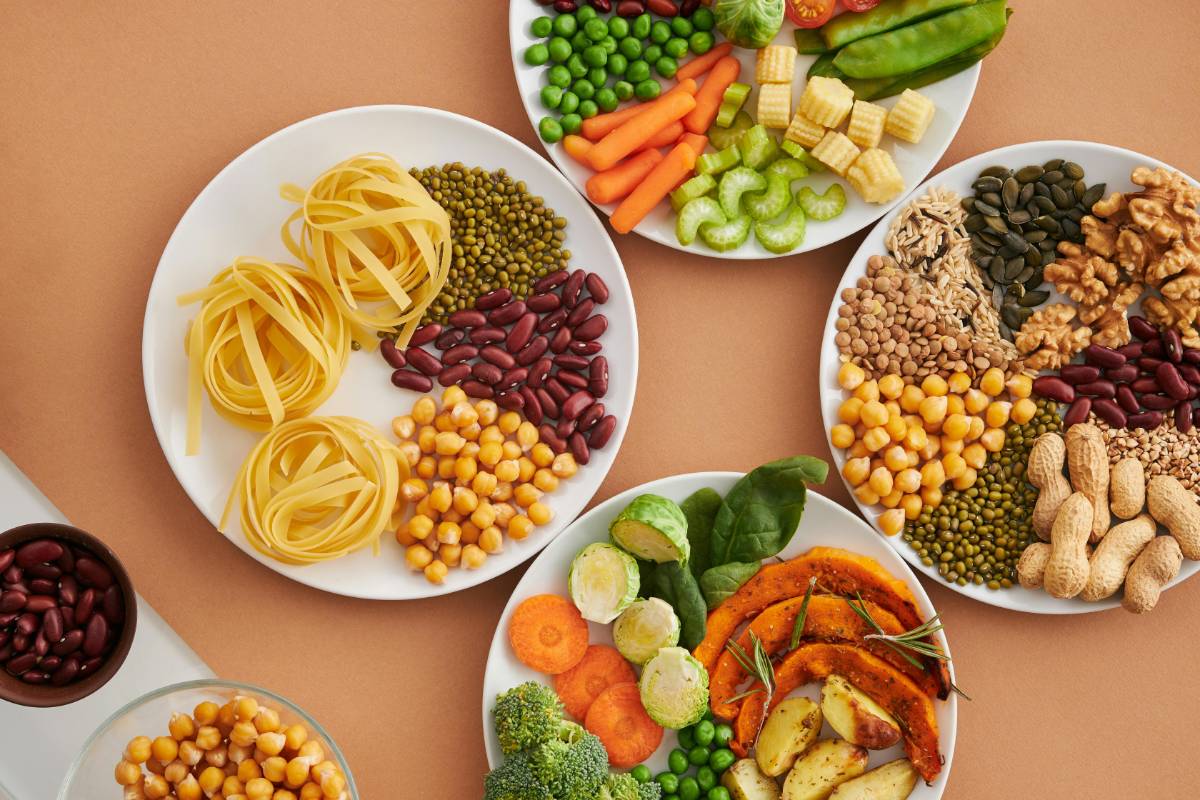
Common Myths About Balanced Diets Debunked
A balanced diet is crucial for maintaining good health, but various myths and misconceptions can cloud our understanding of what it truly involves. These myths can lead to confusion and unhealthy eating habits. This article aims to debunk common myths about balanced diets, providing clear and evidence-based information to help you make informed dietary choices.

3 min read | 20 Jan 2025
Balancing Nutrients for Different Life Stages
Nutrition plays a crucial role throughout our lives, but the specific nutrient needs can vary significantly depending on life stages. From infancy to old age, each stage of life has unique nutritional requirements to support growth, maintain health, and prevent chronic diseases. This article explores how to balance nutrients effectively at different life stages to promote overall well-being.

3 min read | 19 Jan 2025
How to Create a Balanced Meal Plan
Creating a balanced meal plan is key to maintaining a healthy lifestyle and achieving your dietary goals. A well-rounded meal plan ensures that you get the right proportions of nutrients needed to support overall health, energy levels, and well-being. In this article, we will guide you through the process of designing a balanced meal plan, including tips on portion control, meal variety, and nutrient balance.

2 min read | 18 Jan 2025
Essential Micronutrients and Their Sources
Micronutrients are vital nutrients that the body needs in smaller amounts compared to macronutrients like carbohydrates, proteins, and fats. Despite their smaller required quantities, micronutrients play crucial roles in maintaining health, supporting metabolic processes, and preventing chronic diseases. This article explores essential micronutrients, their functions, and the best dietary sources to ensure adequate intake.

3 min read | 17 Jan 2025
Understanding Macronutrients: Carbs, Proteins, and Fats
Macronutrients are essential nutrients that the body needs in large amounts to function properly. They include carbohydrates, proteins, and fats, each of which plays a unique role in maintaining health and supporting bodily functions. Understanding these macronutrients and their functions can help you make informed dietary choices and achieve a balanced diet. In this article, we’ll explore the importance of each macronutrient, their sources, and how they contribute to overall health.
RECENT POSTS
1
Best Practices for Trimming Facial Hair
5 min read | 04 Apr 20252
How to Maintain a Polished Look
2 min read | 03 Apr 20253
Men's Grooming Essentials for Travel
2 min read | 02 Apr 20254
How to Style a Mustache
4 min read | 01 Apr 20255
The Importance of Men's Skincare
5 min read | 31 Mar 20256
Tips for Shaving Sensitive Skin
4 min read | 30 Mar 2025MORE POSTS

How to Read Nutrition Labels to Support Your Weight Loss Goals
4 min read | 14 Apr 2025
The Role of Protein in Weight Loss and How to Include It in Your Diet
4 min read | 13 Apr 2025
Low-Carb Diets: Do They Really Work for Weight Loss?
5 min read | 12 Apr 2025
The Importance of Portion Control in Weight Loss
4 min read | 11 Apr 2025
How to Reduce Emotional Eating for Better Weight Management
4 min read | 10 Apr 2025