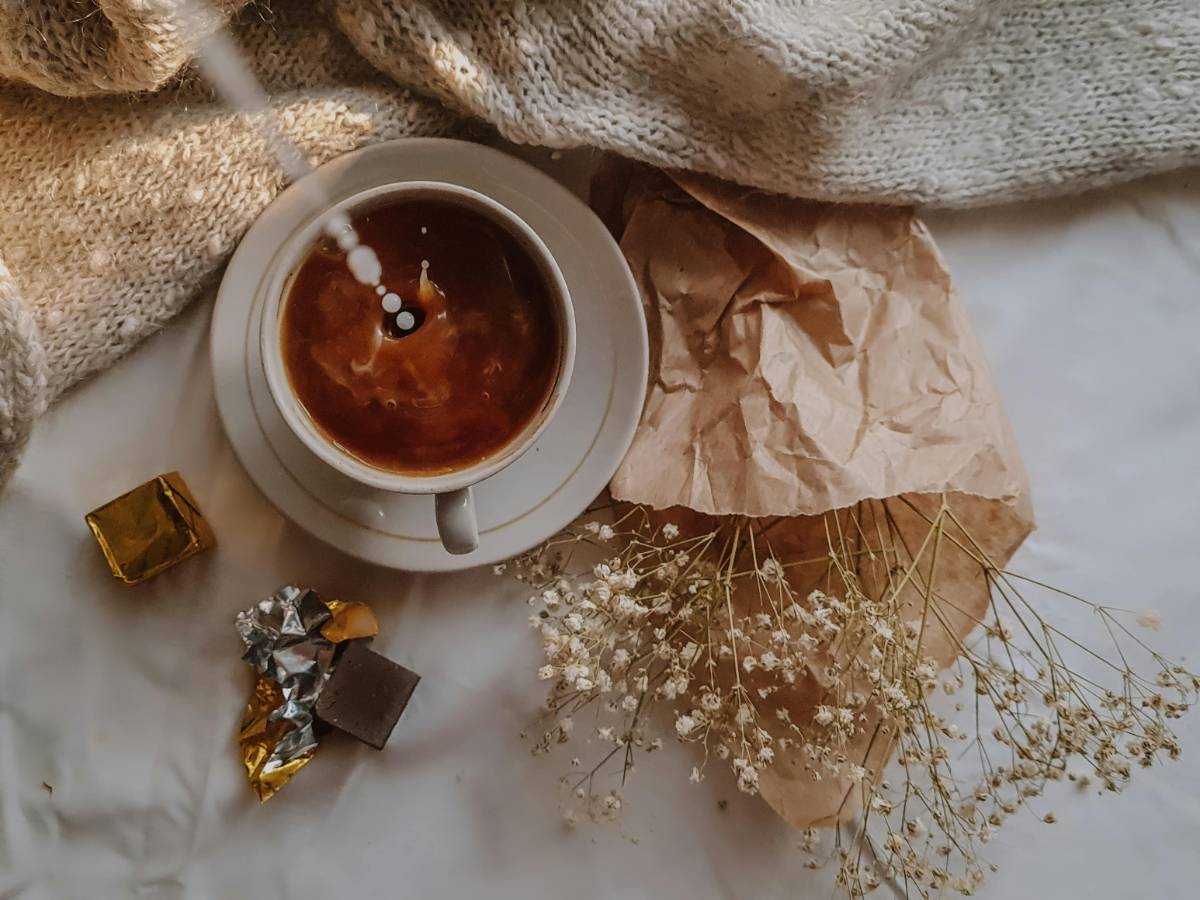
Top Tips for Managing Stress Through Personal Care

 By Aditi Sharma |
 3 min read
|11 Apr 2025Stress is an inevitable part of life, but managing it effectively is crucial for maintaining your overall well-being. Incorporating personal care practices into your daily routine can help alleviate stress and promote a sense of calm and relaxation. Here are some top tips for managing stress through personal care.

Prioritize Self-Care
Self-care is essential for managing stress and maintaining a balanced life. Make time for activities that bring you joy and relaxation, whether it’s reading a book, taking a warm bath, or enjoying a hobby. Prioritizing self-care helps you recharge and reduces the impact of stress on your physical and mental health.
Practice Mindfulness and Meditation
Mindfulness and meditation are powerful tools for stress management. Practicing mindfulness involves staying present and fully engaging with the current moment, while meditation helps calm the mind and reduce anxiety. Incorporate mindfulness exercises or meditation sessions into your daily routine to enhance your ability to cope with stress and improve your overall well-being.

Engage in Regular Physical Activity
Exercise is a natural stress reliever that boosts endorphins, the body’s feel-good hormones. Regular physical activity, such as walking, yoga, or dancing, helps reduce tension, improve mood, and enhance sleep quality. Aim for at least 30 minutes of moderate exercise most days of the week to support your physical and emotional health.
Get Quality Sleep

Adequate sleep is crucial for managing stress and maintaining overall health. Poor sleep can exacerbate stress and negatively impact your mood and cognitive function. Establish a consistent sleep schedule, create a relaxing bedtime routine, and ensure your sleep environment is comfortable to improve the quality of your rest and manage stress more effectively.
Maintain a Balanced Diet

A healthy diet plays a significant role in stress management. Nutrient-rich foods, such as fruits, vegetables, whole grains, and lean proteins, provide essential vitamins and minerals that support your body’s stress response. Avoid excessive caffeine, sugar, and processed foods, which can contribute to feelings of anxiety and stress. Eating a balanced diet helps stabilize your mood and energy levels, making it easier to cope with stress.
Stay Hydrated
Proper hydration is often overlooked but is essential for managing stress. Dehydration can lead to fatigue, irritability, and difficulty concentrating. Aim to drink plenty of water throughout the day and limit your intake of sugary or caffeinated beverages. Keeping hydrated helps maintain optimal physical and mental function, which is crucial for effective stress management.

Establish Healthy Boundaries
Setting healthy boundaries is an important aspect of personal care and stress management. Learn to say no to additional responsibilities or commitments that may overwhelm you. Establishing clear boundaries helps prevent burnout and ensures that you have time for self-care and relaxation. Communicate your limits clearly and prioritize your well-being over external demands.

Connect with Others
Social support is a key factor in managing stress. Connecting with friends, family, or support groups can provide emotional support, reduce feelings of isolation, and offer a sense of belonging. Make time for social interactions and build a network of supportive relationships to help you navigate stressful situations more effectively.
Practice Relaxation Techniques
Incorporate relaxation techniques into your daily routine to help manage stress. Practices such as deep breathing, progressive muscle relaxation, and guided imagery can help calm your mind and reduce physical tension. Experiment with different techniques to find what works best for you and make them a regular part of your stress management strategy.
Seek Professional Help

If stress becomes overwhelming or persistent, consider seeking professional help. A mental health professional, such as a therapist or counselor, can provide valuable support and guidance in managing stress and addressing underlying issues. Therapy can offer coping strategies, stress reduction techniques, and a safe space to explore your feelings.
By incorporating these personal care practices into your routine, you can effectively manage stress and enhance your overall well-being. Prioritize self-care, maintain a healthy lifestyle, and seek support when needed to create a balanced and fulfilling life. Remember, managing stress is an ongoing process, and taking proactive steps towards personal care can lead to long-term improvements in your quality of life.
Trending Around the Web
About the Author
Aditi Sharma
Aditi Sharma is a passionate health and wellness advocate, with a deep understanding of the challenges modern parents face. With a focus on holistic well-being, Aditi Sharma aims to empower mothers and families with practical tips, science-backed advice, and inspiring stories to promote a healthy lifestyle. Whether it's nutrition, fitness, mental health, or parenting, Aditi Sharma is committed to making health and wellness approachable and accessible for every SuperMoomy reader.
MORE ARTICLES
5 min read | 01 Mar 2025
Top Fragrance Notes for Each Season
Choosing the right fragrance for each season can enhance your scent experience and complement the changing weather. Different fragrance notes resonate with various seasons, from the light, fresh scents of spring to the warm, rich aromas of winter. This article explores the top fragrance notes for each season, helping you select the perfect scent to match the time of year.

2 min read | 28 Feb 2025
How to Make Your Perfume Last Longer
Making your perfume last longer can be a challenge, especially with the variety of factors that can affect its longevity. From application techniques to storage methods, there are several strategies you can use to extend the life of your fragrance throughout the day. This article provides practical tips to help you get the most out of your favorite perfumes.

2 min read | 27 Feb 2025
The Difference Between Eau de Parfum and Eau de Toilette
When selecting a fragrance, you’ll encounter terms like Eau de Parfum (EDP) and Eau de Toilette (EDT). These terms refer to different types of fragrance concentrations, each with its own characteristics. Understanding the difference between Eau de Parfum and Eau de Toilette can help you choose the right scent for your needs and preferences. This article breaks down the key differences between these two popular types of fragrances.
3 min read | 26 Feb 2025
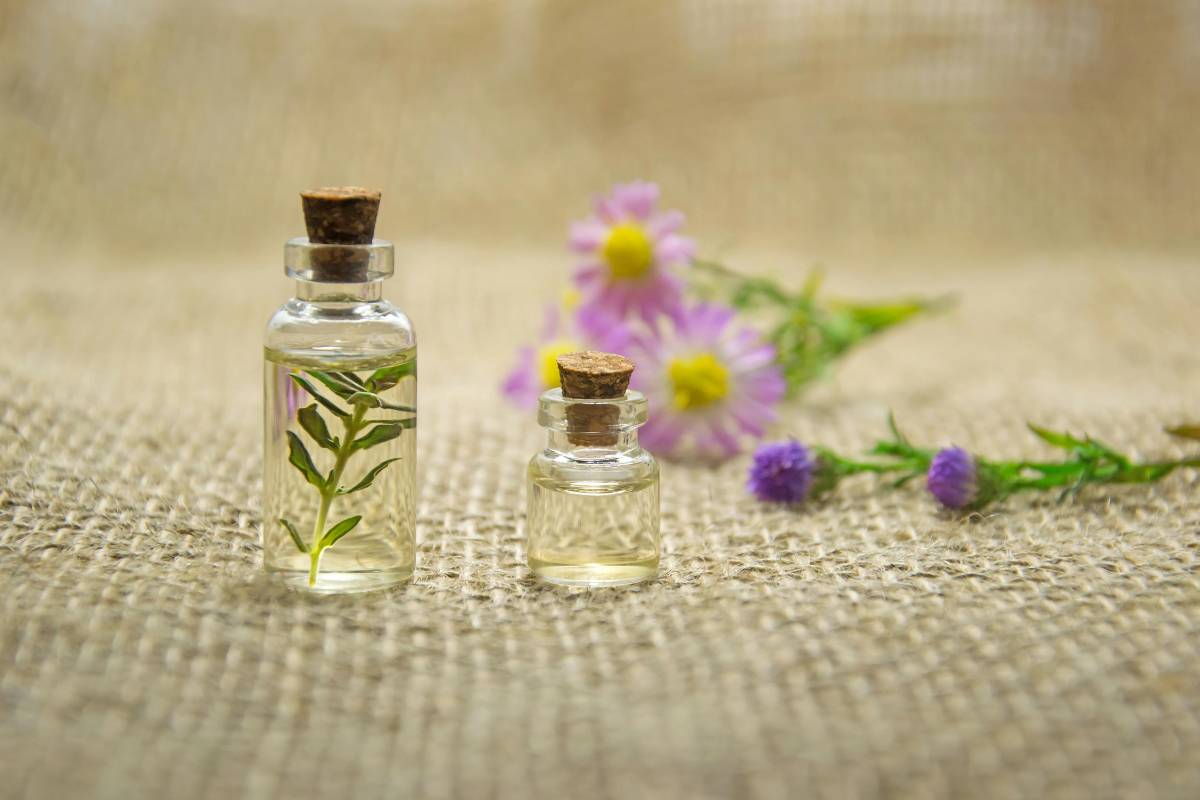
How to Choose a Signature Scent
Choosing a signature scent is a personal and impactful decision that can enhance your identity and leave a lasting impression. A signature fragrance can become an integral part of your style and personality. With countless options available, selecting the right scent requires consideration of various factors. This article provides guidance on how to choose a signature scent that reflects your unique essence.
2 min read | 25 Feb 2025
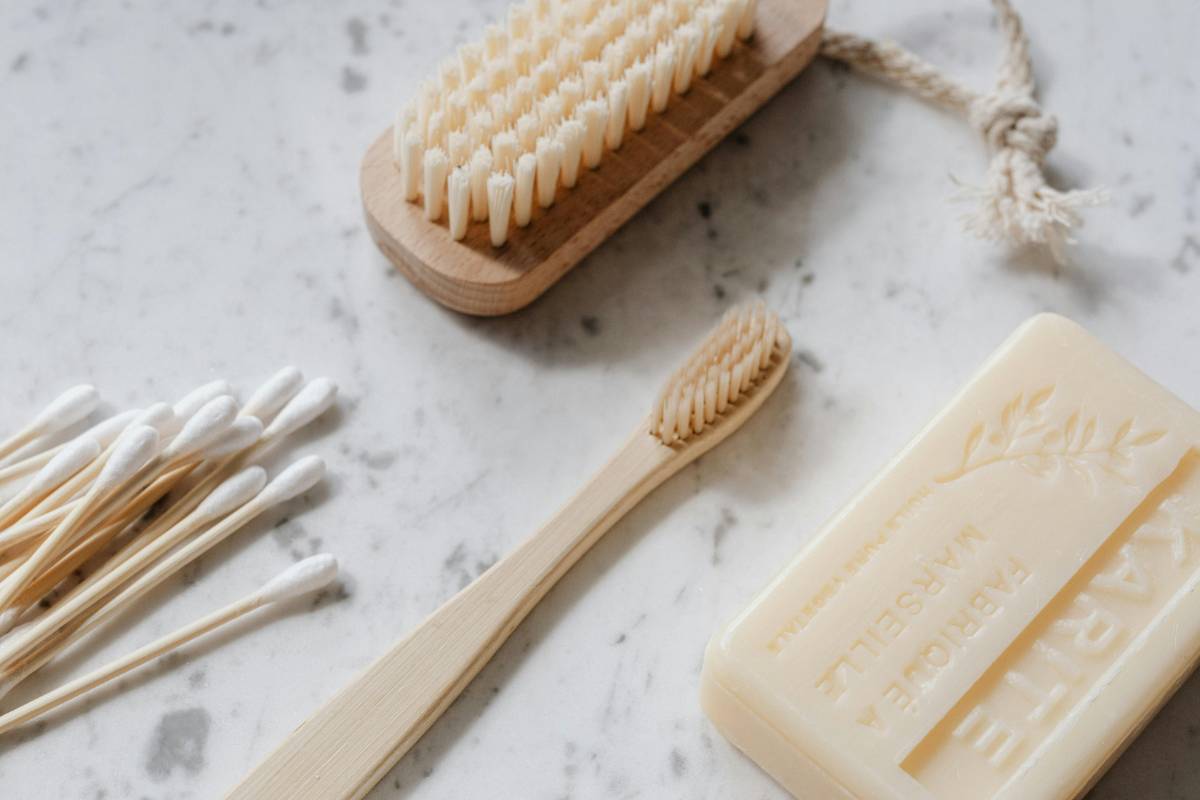
The Benefits of Using Natural Soaps
Natural soaps have gained popularity as a healthier alternative to commercial soaps that often contain synthetic ingredients and harsh chemicals. Made from natural oils, butters, and botanical extracts, these soaps offer various benefits for the skin and overall well-being. This article explores the advantages of using natural soaps and why they might be a great addition to your skincare routine.

3 min read | 24 Feb 2025
How to Keep Your Skin Hydrated All Day
Maintaining skin hydration throughout the day is crucial for a healthy, radiant complexion. Proper hydration helps to keep the skin plump, smooth, and resilient. To achieve long-lasting hydration, consider integrating the following strategies into your daily routine. This article provides practical tips to help you keep your skin hydrated from morning until night.
RECENT POSTS
1
Anti-Aging Skincare Tips for a Youthful Glow
3 min read | 20 Jan 20252
Natural Remedies for Acne-Prone Skin
3 min read | 19 Jan 20253
How to Create an Effective Skincare Routine
4 min read | 18 Jan 20254
Choosing the Right Moisturizer for Your Skin Type
4 min read | 17 Jan 20255
Benefits of Using Sunscreen Daily
5 min read | 16 Jan 20256
The Benefits of Strength Training for Weight Loss
3 min read | 16 Apr 2025MORE POSTS

How to Choose the Right Multivitamin for Weight Management
4 min read | 09 Mar 2025
The Role of Protein Supplements in Weight Loss
4 min read | 08 Mar 2025
Popular Weight Loss Supplements: What You Need to Know
5 min read | 07 Mar 2025
Understanding the Link Between Water and Metabolism
4 min read | 06 Mar 2025
How to Increase Water Intake Throughout the Day
4 min read | 05 Mar 2025