Using Portion Control Plates and Tools

 By Sayan Gosh |
 2 min read
|27 Jan 2025Portion control is a crucial aspect of maintaining a balanced diet and managing weight effectively. Utilizing portion control plates and tools can simplify the process of measuring and managing food portions, making it easier to adhere to nutritional goals and prevent overeating. This article explores the benefits of using portion control plates and tools, provides practical tips on how to use them effectively, and highlights some common options available to support your portion control efforts.

Benefits of Using Portion Control Plates and Tools
Portion control plates and tools offer several benefits for managing food intake and supporting a healthy lifestyle. Here are some of the key advantages:
Simplified Portion Measurement: Portion control plates and tools provide clear visual and quantitative guidance for portion sizes. This simplifies the process of measuring and serving appropriate portions, reducing the guesswork involved in portion control.
Consistent Portion Sizes: Using portion control plates and tools helps ensure that you serve consistent portion sizes for different food groups. This consistency supports balanced nutrition and helps prevent overconsumption of calories.

Enhanced Awareness: Portion control tools can increase awareness of serving sizes and the nutritional content of your meals. This awareness can help you make healthier food choices and manage your calorie intake more effectively.
Improved Portion Management: Portion control plates and tools can help you manage portions more accurately, especially when preparing meals in advance or following specific dietary plans. They can assist in maintaining portion control even when dining out or eating on the go.
Types of Portion Control Plates and Tools
There are various types of portion control plates and tools available to assist with managing food portions. Here are some common options:
Portion-Controlled Plates: Portion-controlled plates are designed with visual guides or compartments to help manage portion sizes for different food groups. These plates often have designated sections for proteins, vegetables, grains, and fruits, making it easier to balance your meals. They can be especially useful for individuals looking to maintain portion control and support a balanced diet.

Measuring Cups: Measuring cups are essential tools for accurately portioning liquids and dry ingredients. They come in various sizes, including 1/4 cup, 1/3 cup, 1/2 cup, and 1 cup. Use measuring cups to portion out ingredients like grains, vegetables, and fruits to ensure you adhere to recommended serving sizes.
Measuring Spoons: Measuring spoons are used to portion small quantities of ingredients such as spices, oils, and condiments. They come in sizes such as 1/4 teaspoon, 1/2 teaspoon, 1 teaspoon, and 1 tablespoon. Measuring spoons help you control the amount of these ingredients and avoid excessive calorie intake.
Food Scales: Food scales provide precise measurements for both solid and liquid foods. Digital food scales can weigh portions of meat, cheese, grains, and other foods accurately. Using a food scale ensures that you measure portions by weight, which can be particularly useful for following specific dietary guidelines or meal plans.

Portion-Controlled Containers: Portion-controlled containers are designed to help manage portion sizes and prevent overeating. These containers often have built-in measurement markings or dividers to indicate appropriate portion sizes for different food groups. They are ideal for meal prepping and portioning out snacks or meals in advance.
Tips for Using Portion Control Plates and Tools Effectively
To make the most of portion control plates and tools, consider the following tips:
Follow Recommended Serving Sizes: Familiarize yourself with recommended serving sizes for different food groups and use your portion control tools accordingly. For example, use a 1-cup measuring cup for vegetables or a 3-ounce portion-controlled plate section for protein. Adhering to these guidelines helps maintain balanced nutrition and manage calorie intake.
Read Nutrition Labels: Nutrition labels on packaged foods provide information on serving sizes and calories per serving. Use this information in conjunction with your portion control tools to ensure accurate portioning and make informed food choices.
Be Consistent: Consistency is key when using portion control plates and tools. Make it a habit to measure your portions accurately and use your tools regularly to maintain portion control and support your dietary goals.
Practice Mindful Eating: While portion control tools help manage portions, it’s also important to practice mindful eating. Pay attention to hunger and fullness cues, eat slowly, and enjoy each bite. Mindful eating helps you recognize when you’re satisfied and prevents overeating, even with portion control tools.

Incorporate Variety: Use different portion control tools for various types of foods. For example, use measuring cups for grains, a food scale for proteins, and portion-controlled containers for snacks. Incorporating a variety of tools ensures accurate portion management for all types of foods.
Common Challenges and Solutions
Using portion control plates and tools can sometimes present challenges. Here are some common challenges and solutions to help you overcome them:
Over-reliance on Tools: While portion control tools are helpful, it’s important not to become overly reliant on them. Develop a good understanding of portion sizes and practice mindful eating to complement the use of your tools.
Inconsistent Use: Inconsistent use of portion control tools can undermine their effectiveness. Make it a habit to use your tools regularly and integrate them into your daily routine to achieve the best results.
Difficulty in Measuring Out: If you find it challenging to measure out portions accurately, consider using visual cues and practice measuring regularly. Over time, you will become more skilled at estimating portion sizes and using your tools effectively.
Conclusion
Using portion control plates and tools is an effective strategy for managing food intake and supporting weight management. By incorporating these tools into your daily routine, you can simplify the process of measuring and managing portions, maintain balanced nutrition, and achieve your dietary goals. Whether you’re using portion-controlled plates, measuring cups, food scales, or portion-controlled containers, these tools can help you regulate portion sizes and promote a healthier lifestyle. Embrace the benefits of portion control and make it a fundamental part of your approach to managing weight and improving overall health.
Trending Around the Web
About the Author
Sayan Gosh
Sayan Gosh is a passionate health and wellness advocate, with a deep understanding of the challenges modern parents face. With a focus on holistic well-being, Sayan Gosh aims to empower mothers and families with practical tips, science-backed advice, and inspiring stories to promote a healthy lifestyle. Whether it's nutrition, fitness, mental health, or parenting, Sayan Gosh is committed to making health and wellness approachable and accessible for every SuperMoomy reader.
MORE ARTICLES
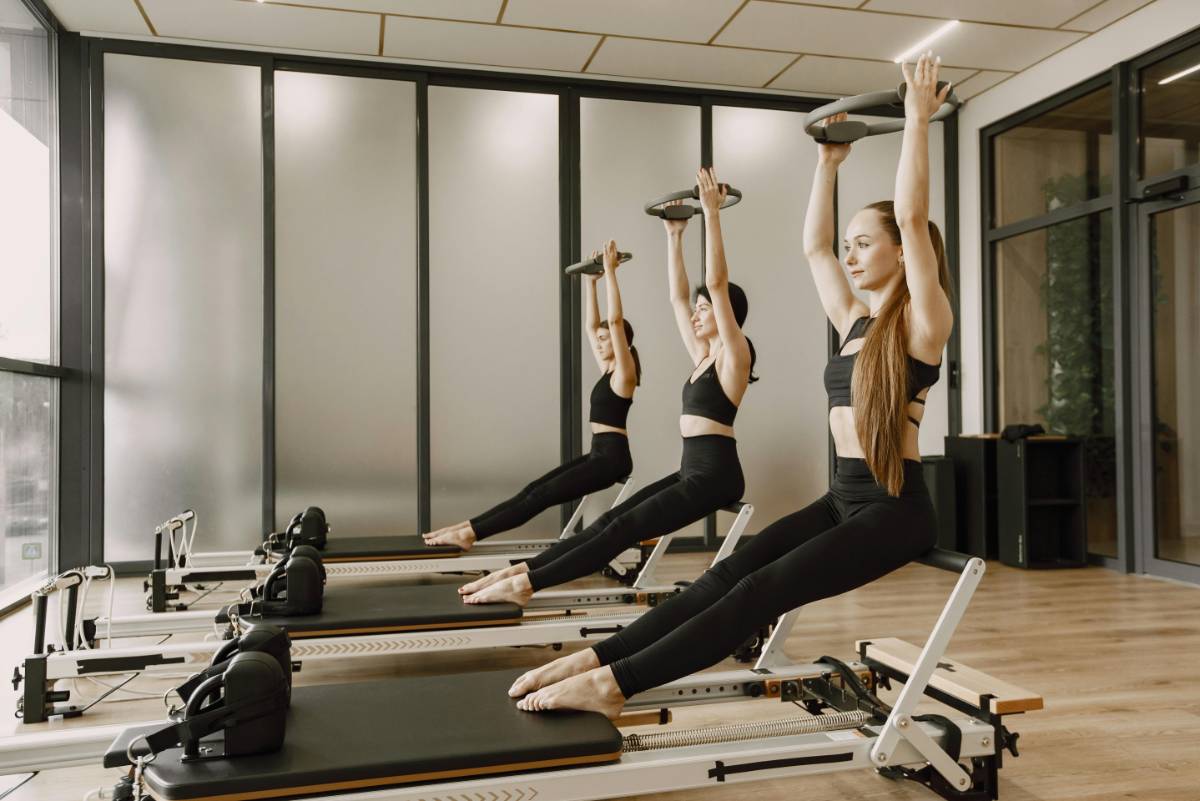
5 min read | 13 Feb 2025
Creating a Daily Stretching Routine for Better Mobility
Incorporating a daily stretching routine into your life can significantly enhance your mobility, flexibility, and overall physical well-being. Stretching regularly helps maintain muscle elasticity, improve range of motion, and reduce the risk of injuries. This article will guide you through creating an effective daily stretching routine to achieve better mobility and support your overall fitness goals.

5 min read | 12 Feb 2025
Common Stretching Mistakes and How to Avoid Them
Stretching is a vital component of any fitness routine, contributing to improved flexibility, reduced muscle tension, and enhanced overall performance. However, many individuals make common stretching mistakes that can diminish the effectiveness of their stretches or even lead to injuries. In this article, we’ll identify common stretching mistakes and provide tips on how to avoid them to ensure a safe and effective stretching routine.

4 min read | 11 Feb 2025
Flexibility Routines for Athletes
Flexibility is crucial for athletes, as it enhances performance, reduces the risk of injuries, and aids in recovery. A well-designed flexibility routine can help athletes achieve better range of motion, improved muscle function, and overall physical balance. In this article, we’ll explore effective flexibility routines tailored for athletes, including key stretches and techniques to incorporate into your training regimen.

4 min read | 10 Feb 2025
How to Use Foam Rollers for Improved Mobility
Foam rolling is a popular technique used to enhance mobility, reduce muscle soreness, and improve overall muscle function. By using a foam roller, you can target specific areas of your body to relieve tension and increase flexibility. In this article, we’ll explore how foam rollers work, the benefits they offer, and tips for effectively incorporating them into your mobility routine.
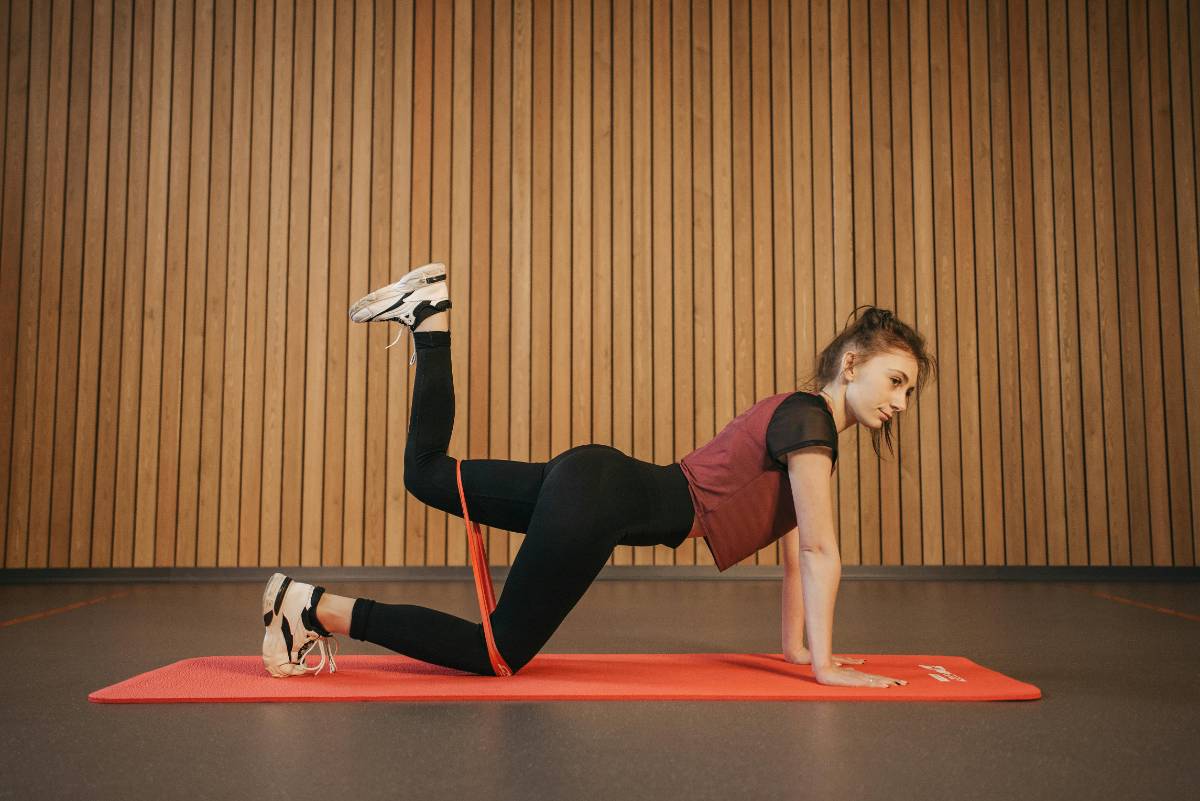
2 min read | 09 Feb 2025
Incorporating Pilates into Your Flexibility Routine
Pilates is a versatile exercise method that focuses on strengthening the core, improving posture, and enhancing overall flexibility. By incorporating Pilates into your flexibility routine, you can achieve greater range of motion, balance, and strength. In this article, we’ll explore how Pilates can complement your flexibility routine, key exercises to include, and tips for getting the most out of your practice.

2 min read | 08 Feb 2025
Top 10 Stretching Exercises for Improved Flexibility
Improving flexibility is essential for overall fitness and well-being. Stretching exercises can help enhance your range of motion, reduce muscle tension, and prevent injuries. In this article, we’ll explore the top 10 stretching exercises that can help you achieve greater flexibility and maintain a balanced fitness routine.
RECENT POSTS
1
The Importance of Flossing Daily
4 min read | 08 Feb 20252
Benefits of Using Mouthwash Regularly
3 min read | 07 Feb 20253
How to Maintain Oral Hygiene with Braces
5 min read | 06 Feb 20254
The Dos and Don'ts of Hair Styling
3 min read | 05 Feb 20255
Natural Oils That Promote Hair Growth
3 min read | 04 Feb 20256
How to Achieve Salon-Quality Hair at Home
5 min read | 03 Feb 2025MORE POSTS

How to Prevent Ingrown Hairs After Shaving
5 min read | 05 Apr 2025
Best Practices for Trimming Facial Hair
5 min read | 04 Apr 2025
How to Maintain a Polished Look
2 min read | 03 Apr 2025
Men's Grooming Essentials for Travel
2 min read | 02 Apr 2025
How to Style a Mustache
4 min read | 01 Apr 2025