Flexibility Routines for Athletes
 By Lewis Adam |
 4 min read
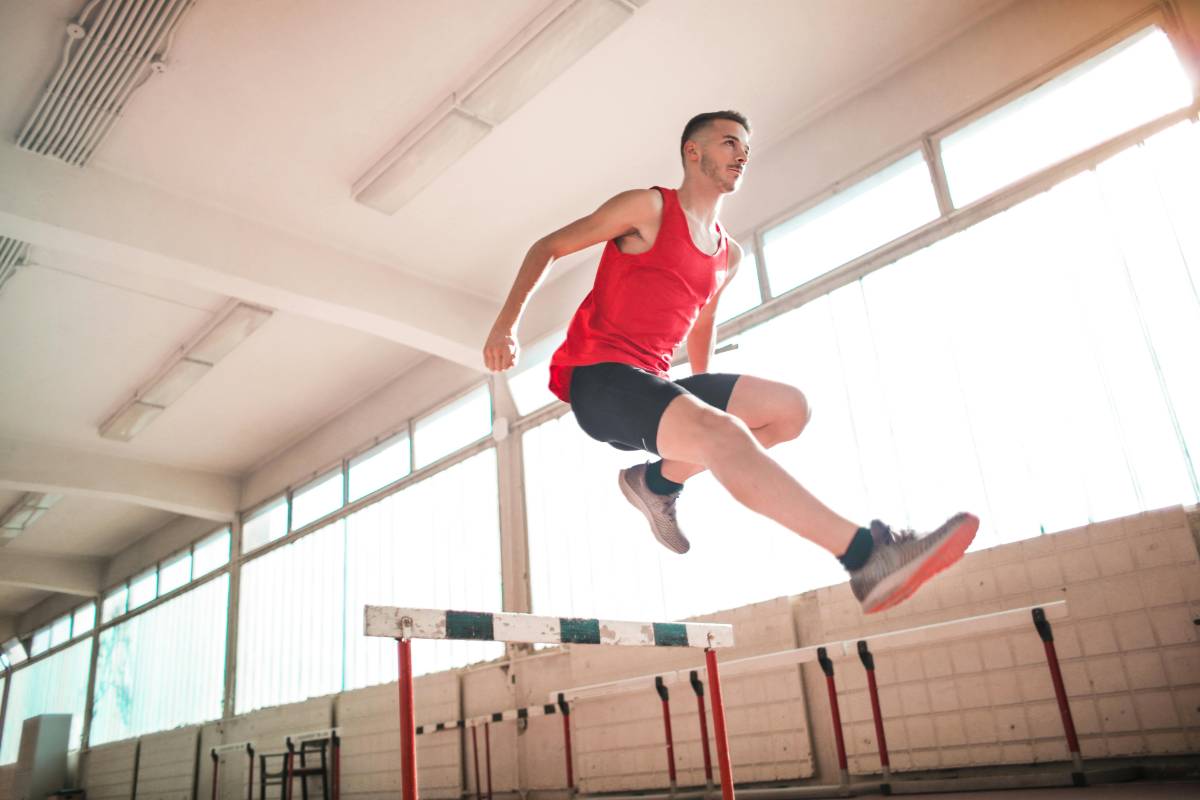
|11 Feb 2025Flexibility is crucial for athletes, as it enhances performance, reduces the risk of injuries, and aids in recovery. A well-designed flexibility routine can help athletes achieve better range of motion, improved muscle function, and overall physical balance. In this article, we’ll explore effective flexibility routines tailored for athletes, including key stretches and techniques to incorporate into your training regimen.

Why Flexibility Matters for Athletes
Flexibility plays a vital role in athletic performance. Here’s why it’s essential:
Enhanced Performance:
Improved flexibility allows athletes to perform movements with greater efficiency and fluidity. It contributes to better technique, increased power, and overall enhanced performance in various sports.

Injury Prevention:
A flexible body is less prone to injuries. By maintaining and improving flexibility, athletes can reduce the risk of strains, sprains, and other muscle-related injuries.
Faster Recovery:

Stretching and flexibility exercises help alleviate muscle soreness and stiffness, promoting quicker recovery after intense workouts or competitions. This aids in maintaining peak performance levels.
Effective Flexibility Routines for Athletes
Here are some flexibility routines designed specifically for athletes:
Dynamic Stretching Routine:
Dynamic stretching is ideal for warming up before exercise. It involves active movements that prepare the muscles and joints for physical activity.

Leg Swings:
Stand next to a wall or support. Swing one leg forward and backward in a controlled manner. Perform 10-15 swings per leg to loosen up the hip flexors and hamstrings.

Arm Circles:
Extend your arms out to the sides and make small circles, gradually increasing the size. Perform 20-30 seconds in each direction to warm up the shoulders and upper body.
Walking Lunges:
Take a step forward into a lunge position, keeping your torso upright and knees aligned. Alternate legs and perform 10-12 lunges per leg to stretch the hip flexors and quads.
Static Stretching Routine:

Static stretching is best for cooling down after exercise. It involves holding stretches for an extended period to improve flexibility.
Hamstring Stretch:
Sit on the ground with one leg extended and the other bent. Reach towards your extended leg while keeping your back straight. Hold for 15-30 seconds and switch legs.
Quadriceps Stretch:
Stand on one leg and pull your other ankle towards your glutes. Keep your knees close together and your hips forward. Hold for 15-30 seconds and switch legs.
Hip Flexor Stretch:
Kneel on one knee with the other foot in front. Push your hips forward gently while keeping your torso upright. Hold for 15-30 seconds and switch sides.
Foam Rolling Routine:
Foam rolling can help release muscle tension and improve flexibility. Incorporate these foam rolling exercises into your routine:
Calf Roll:
Sit on the ground and place the foam roller under your calves. Roll slowly from your ankles to your knees, applying gentle pressure. Spend 1-2 minutes on each leg.
IT Band Roll:
Lie on your side with the foam roller under your outer thigh. Roll from your hip to your knee, focusing on any tight areas. Spend 1-2 minutes on each side.
Glute Roll:
Sit on the foam roller with one ankle resting on the opposite knee. Roll over your glutes and hip area, applying gentle pressure. Spend 1-2 minutes on each side.
Tips for an Effective Flexibility Routine
To maximize the benefits of your flexibility routine, consider the following tips:
Consistency is Key:
Incorporate flexibility exercises into your regular training schedule. Consistent practice helps maintain and improve your flexibility over time.
Warm Up and Cool Down:
Always start with a proper warm-up to prepare your muscles for stretching and end with a cool-down to promote recovery. This helps prevent injuries and enhances the effectiveness of your routine.
Listen to Your Body:
Pay attention to how your body responds to stretching and foam rolling. Adjust the intensity and duration based on your comfort level and specific needs.
Combine Techniques:
Mix dynamic stretching, static stretching, and foam rolling to create a well-rounded flexibility routine. This combination ensures that all muscle groups are targeted and improves overall flexibility.
Seek Professional Guidance:
Consider working with a fitness coach or physical therapist to develop a personalized flexibility routine tailored to your sport and individual needs. Professional guidance can help you achieve optimal results and prevent injuries.
Final Thoughts
Incorporating a structured flexibility routine into your training can significantly benefit athletes by enhancing performance, preventing injuries, and aiding in recovery. By following the routines and tips provided, you can improve your flexibility, maintain peak physical condition, and support your athletic goals. Embrace the importance of flexibility and enjoy the positive impact it has on your overall performance and well-being.
Trending Around the Web
About the Author
Lewis Adam
Lewis Adam is a passionate health and wellness advocate, with a deep understanding of the challenges modern parents face. With a focus on holistic well-being, Lewis Adam aims to empower mothers and families with practical tips, science-backed advice, and inspiring stories to promote a healthy lifestyle. Whether it's nutrition, fitness, mental health, or parenting, Lewis Adam is committed to making health and wellness approachable and accessible for every SuperMoomy reader.
MORE ARTICLES
2 min read | 15 Mar 2025
The Relationship Between Core Strength and Lower Back Health
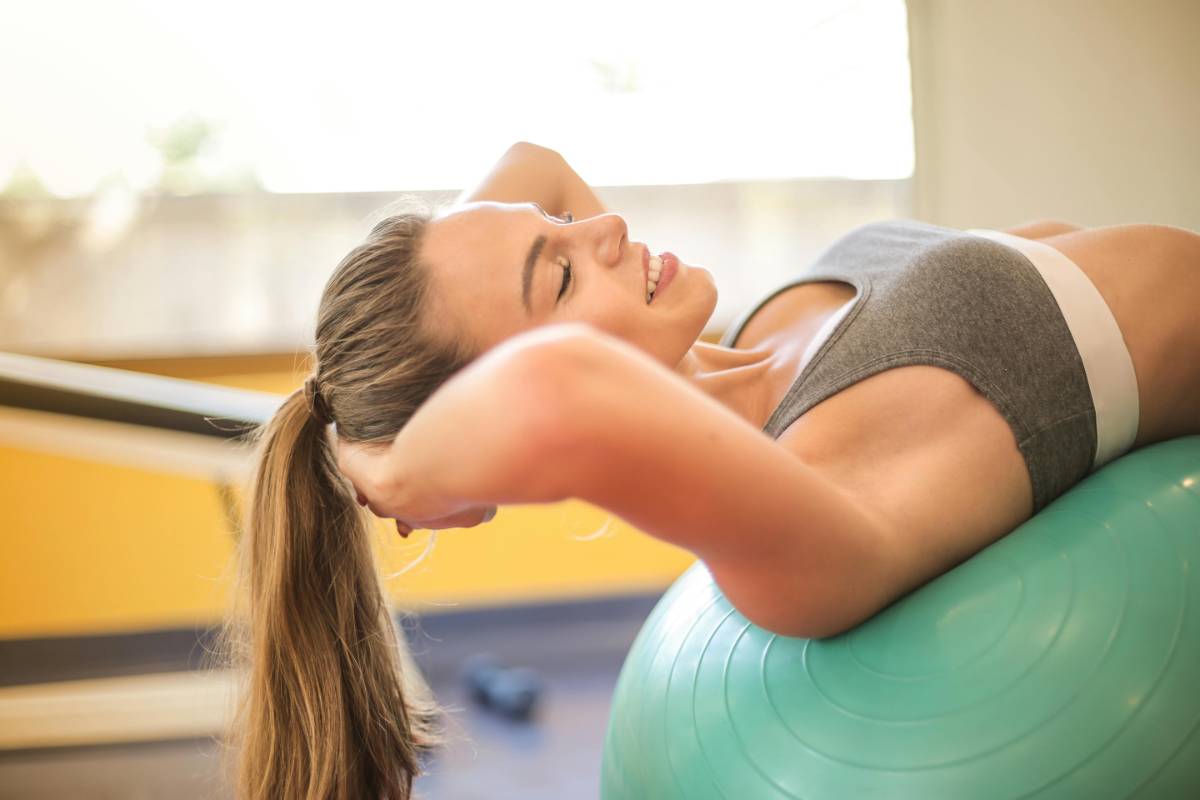
Core strength plays a crucial role in maintaining lower back health. A strong core supports the spine, helps distribute loads evenly, and reduces the risk of lower back injuries. This article explores how core strength influences lower back health and provides tips for strengthening your core to protect and improve your lower back.
4 min read | 14 Mar 2025
Advanced Core Exercises for Experienced Lifters
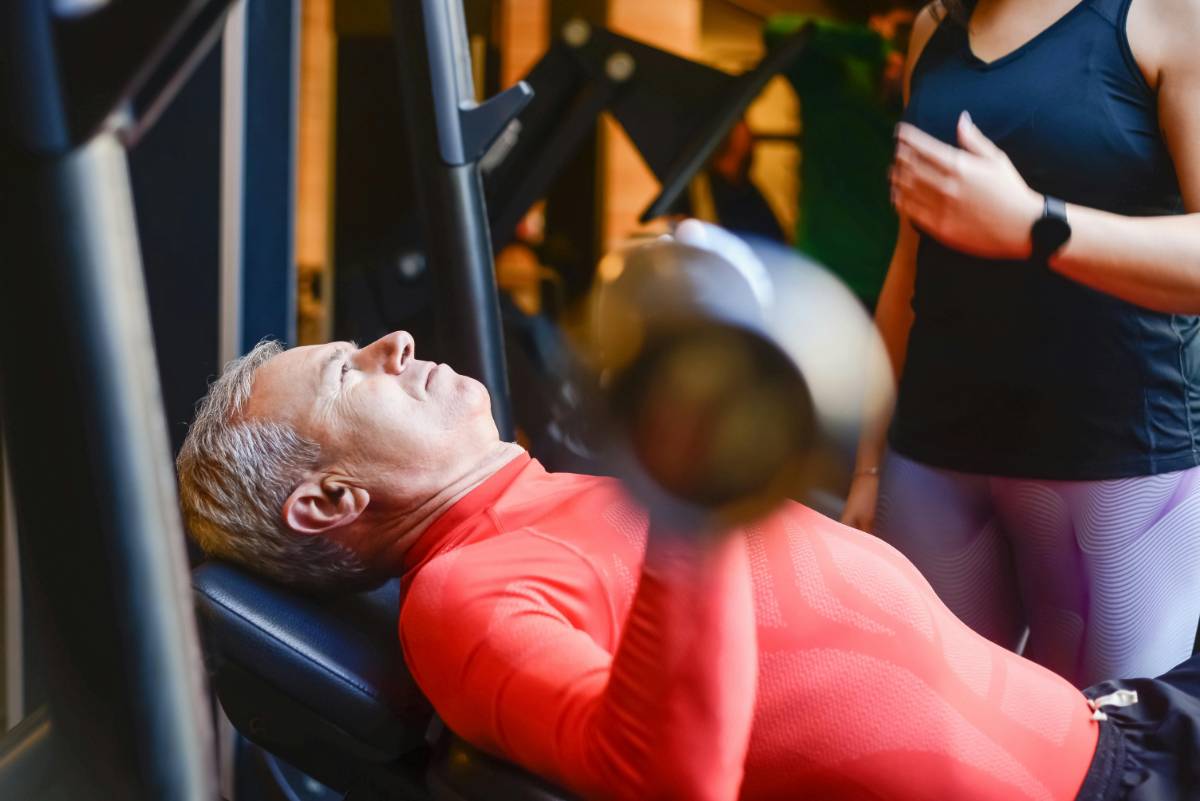
For experienced lifters, core training is an opportunity to push the boundaries of strength and stability. Advanced core exercises not only challenge your core muscles but also engage multiple muscle groups, enhancing overall functional strength. This article explores some advanced core exercises designed for seasoned lifters looking to elevate their training.

5 min read | 13 Mar 2025
How to Incorporate Core Training into Your Cardio Routine
Combining core training with your cardio routine can enhance overall fitness and improve your performance in both areas. Core exercises can help stabilize your body, reduce the risk of injury, and make your cardio workouts more effective. In this article, we'll explore how to integrate core training into your cardio routine for maximum benefits.

3 min read | 12 Mar 2025
Top 5 Mistakes to Avoid in Core Training
Core training is essential for building a strong and stable midsection, which supports overall fitness and helps prevent injury. However, many people make mistakes that can hinder their progress or even lead to injury. In this article, we’ll explore the top mistakes to avoid in core training and provide tips on how to perform your core workouts more effectively.
4 min read | 11 Mar 2025
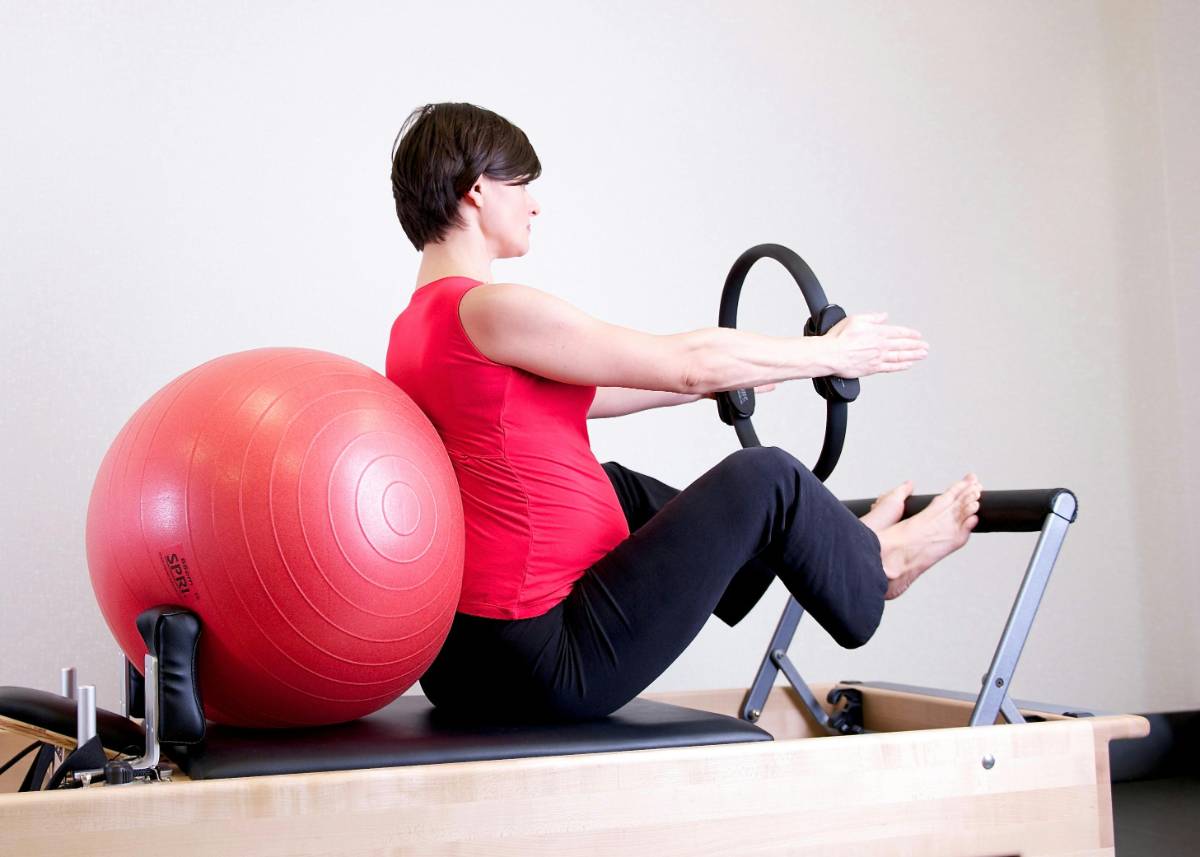
Using Stability Balls for Core Training
Stability balls, also known as exercise balls or Swiss balls, are versatile tools that can enhance your core training routine. These balls challenge your balance and stability, engaging your core muscles more effectively than traditional exercises. In this article, we'll explore how to use stability balls for core training, highlighting key exercises and their benefits.
5 min read | 10 Mar 2025
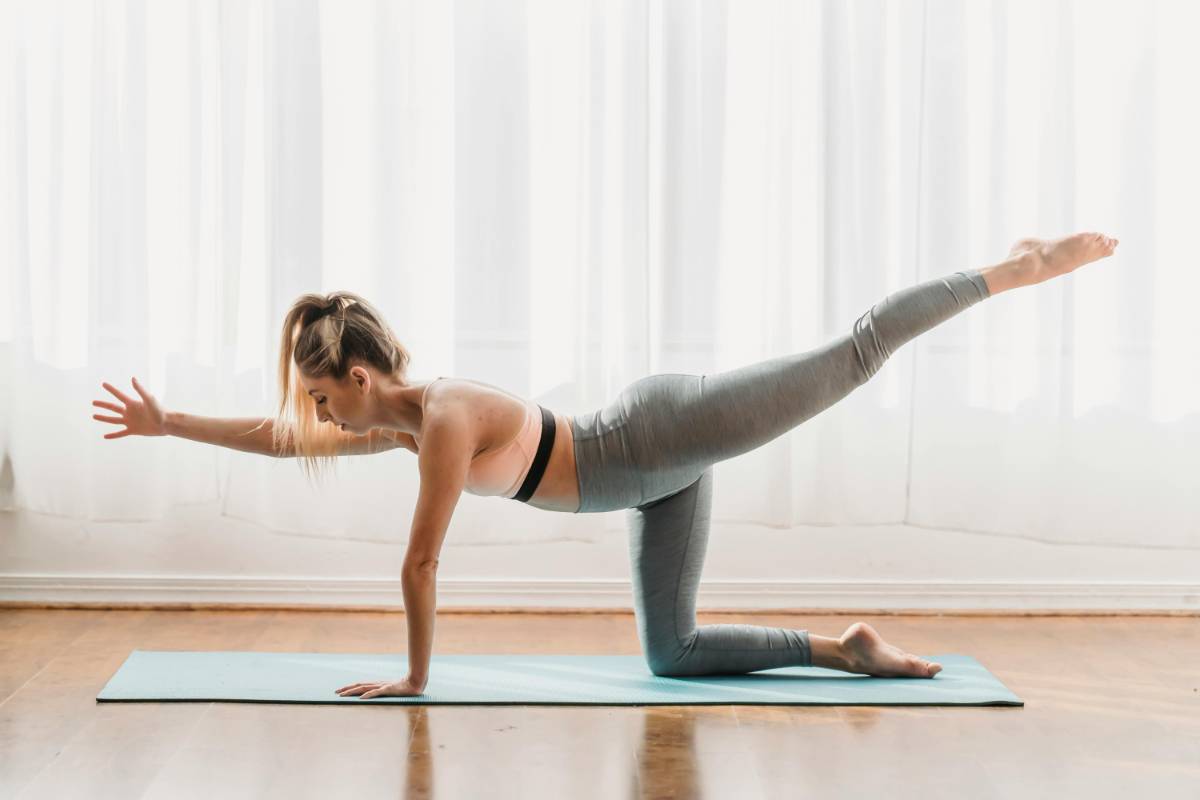
Effective Core Workouts for Improved Posture
Good posture is essential for overall health and well-being. It can prevent back pain, reduce strain on your muscles and joints, and enhance your overall physical appearance. One of the most effective ways to improve posture is by strengthening the core muscles, which support and stabilize the spine. In this article, we'll explore core workouts that specifically target the muscles responsible for maintaining good posture.
RECENT POSTS
1
Are Meal Replacement Shakes Effective for Weight Loss?
4 min read | 11 Mar 20252
The Science Behind Fat-Burning Supplements
4 min read | 10 Mar 20253
How to Choose the Right Multivitamin for Weight Management
4 min read | 09 Mar 20254
The Role of Protein Supplements in Weight Loss
4 min read | 08 Mar 20255
Popular Weight Loss Supplements: What You Need to Know
5 min read | 07 Mar 20256
Understanding the Link Between Water and Metabolism
4 min read | 06 Mar 2025MORE POSTS

The Impact of Caffeine and Alcohol on Hydration
3 min read | 16 Feb 2025
How to Incorporate Hydrating Foods into Your Diet
4 min read | 15 Feb 2025
Hydration Tips for Active Lifestyles
5 min read | 14 Feb 2025
Best Hydrating Beverages Beyond Water
4 min read | 13 Feb 2025
Signs of Dehydration and How to Prevent It
3 min read | 12 Feb 2025