Incorporating Pilates into Your Flexibility Routine
 By Prince Matthews |
 2 min read
|09 Feb 2025Pilates is a versatile exercise method that focuses on strengthening the core, improving posture, and enhancing overall flexibility. By incorporating Pilates into your flexibility routine, you can achieve greater range of motion, balance, and strength. In this article, we’ll explore how Pilates can complement your flexibility routine, key exercises to include, and tips for getting the most out of your practice.

Why Pilates for Flexibility?
Pilates emphasizes controlled movements and deep breathing, which can significantly enhance flexibility. Here’s why Pilates is beneficial for improving flexibility:
Core Strengthening:
A strong core is essential for maintaining proper alignment and stability during stretching. Pilates exercises strengthen the core muscles, which support better posture and more effective stretching.

Controlled Movements:
Pilates movements are performed with precision and control, allowing you to target specific muscle groups and improve flexibility gradually. This controlled approach helps prevent overstretching and reduces the risk of injury.
Breath Control:
Pilates incorporates focused breathing techniques that help relax the muscles and increase the effectiveness of each stretch. Deep breathing aids in muscle relaxation and enhances your range of motion.
Key Pilates Exercises for Flexibility
Incorporating the following Pilates exercises into your routine can help improve flexibility and overall body balance:
The Roll-Up:
This exercise targets the spine and hamstrings. Lie on your back with your arms extended overhead. Slowly roll up to a seated position, reaching towards your toes, then roll back down. Repeat for 8-10 reps.

The Saw:
The Saw stretches the hamstrings and spine. Sit with your legs extended and spread apart. Reach towards your opposite foot while twisting your torso. Alternate sides and perform 6-8 reps per side.
The Spine Stretch:
This exercise helps lengthen the spine and stretch the lower back. Sit with your legs extended and feet flexed. Inhale as you lengthen your spine, then exhale as you reach forward, keeping your back straight. Hold for a few seconds and return to the starting position. Repeat for 8-10 reps.
The Swan:
The Swan stretches the chest and lower back. Lie on your stomach with your hands under your shoulders. Lift your chest off the floor while extending your spine. Hold for a few seconds, then lower back down. Perform 6-8 reps.
The Teaser:
The Teaser strengthens the core and stretches the hip flexors. Lie on your back with your arms extended overhead and legs lifted. Roll up to a V-sit position, then lower back down. Repeat for 6-8 reps.
Tips for Incorporating Pilates
To get the most out of incorporating Pilates into your flexibility routine, follow these tips:
Start Slowly:
If you’re new to Pilates, begin with basic exercises and gradually progress to more advanced movements. This will help you build a solid foundation and prevent overexertion.
Focus on Form:
Proper form is crucial in Pilates. Pay attention to alignment and control to maximize the benefits of each exercise and reduce the risk of injury.
Combine with Other Stretches:
Incorporate Pilates exercises alongside traditional stretching techniques for a comprehensive flexibility routine. Combining different methods can enhance overall flexibility and balance.
Stay Consistent:
Regular practice is key to seeing improvements in flexibility. Aim for at least two to three Pilates sessions per week to experience the full benefits.
Use Props if Needed:
Pilates props such as blocks, straps, and rings can assist in achieving proper alignment and support during exercises. Utilize these tools to enhance your practice and improve flexibility.
Creating a Balanced Routine
To effectively incorporate Pilates into your flexibility routine, consider the following:
Schedule Regular Sessions:
Allocate specific times during the week for Pilates practice. Consistent sessions will help you maintain and improve flexibility over time.
Combine with Other Activities:
Blend Pilates with other forms of exercise, such as yoga or strength training, to create a well-rounded fitness routine. This combination can improve overall flexibility and support overall health.
Monitor Progress:
Keep track of your flexibility improvements and adjust your routine as needed. Regularly assess how your flexibility is changing and modify your exercises to continue making progress.
Final Thoughts
Incorporating Pilates into your flexibility routine can offer significant benefits, including improved range of motion, better posture, and enhanced core strength. By including key Pilates exercises and following the tips provided, you can create a balanced and effective routine that supports your flexibility goals. Embrace the precision and control of Pilates to complement your overall fitness journey and enjoy the rewards of increased flexibility and well-being.
Trending Around the Web
About the Author
Prince Matthews
Prince Matthews is a passionate health and wellness advocate, with a deep understanding of the challenges modern parents face. With a focus on holistic well-being, Prince Matthews aims to empower mothers and families with practical tips, science-backed advice, and inspiring stories to promote a healthy lifestyle. Whether it's nutrition, fitness, mental health, or parenting, Prince Matthews is committed to making health and wellness approachable and accessible for every SuperMoomy reader.
MORE ARTICLES
3 min read | 07 Apr 2025
How Personal Care Routines Can Impact Your Weight Loss Journey
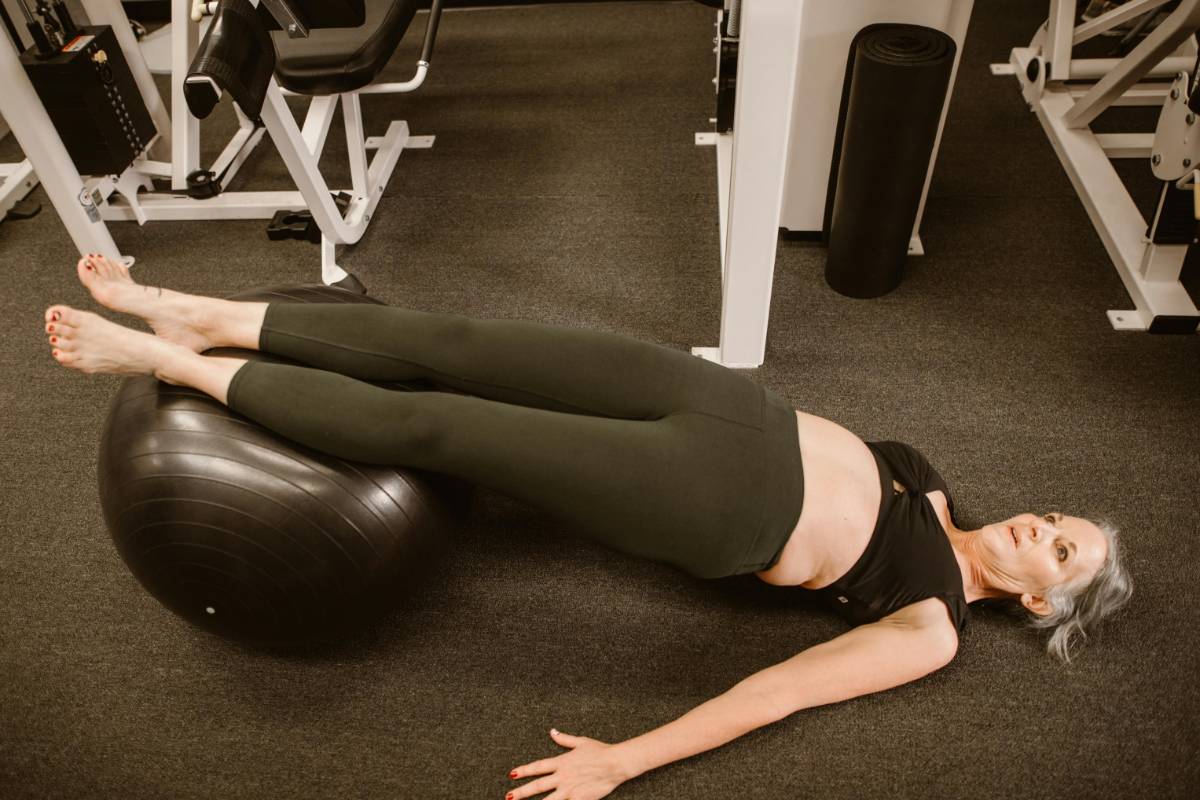
Personal care routines play a crucial role in supporting and enhancing your weight loss journey. While diet and exercise are commonly recognized as the primary factors in weight management, personal care practices can significantly impact your overall health and success in achieving your weight loss goals. Here’s how incorporating personal care routines into your lifestyle can positively affect your weight loss efforts.
4 min read | 15 Apr 2025
Effective Strategies for Weight Loss Through Diet and Exercise
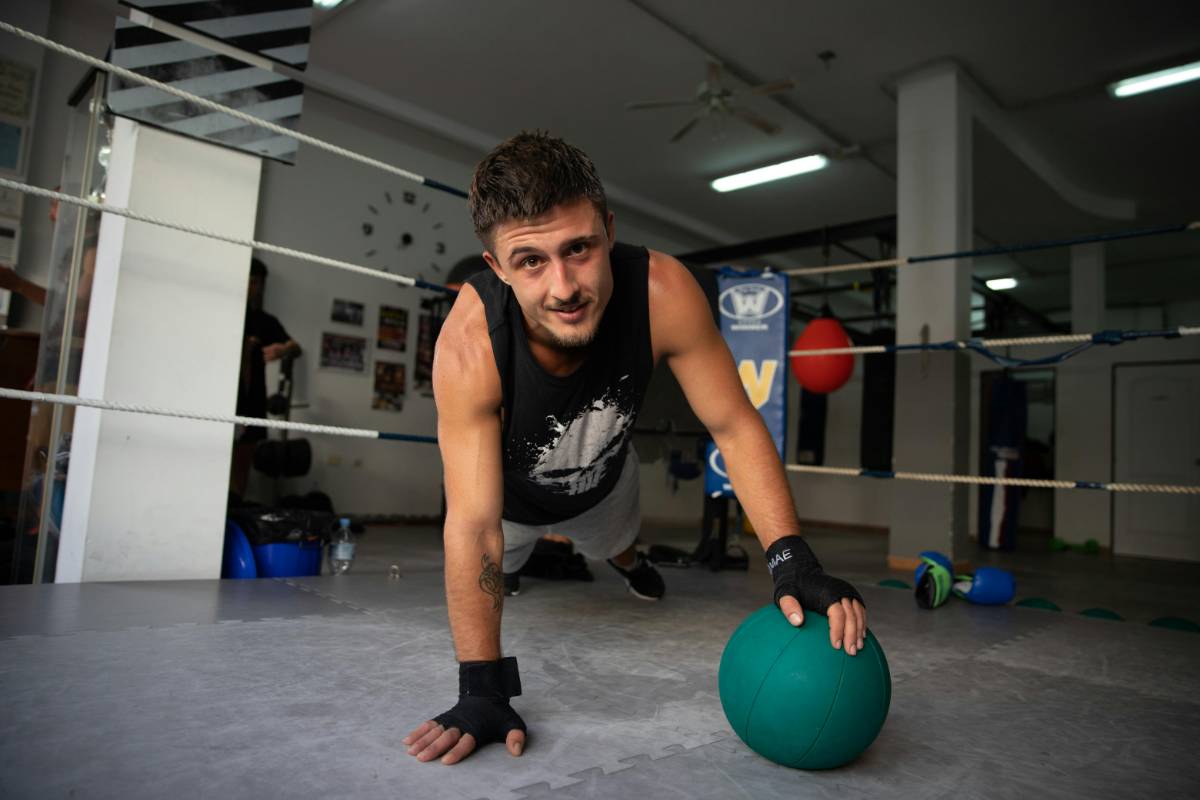
Weight loss is a multifaceted journey that combines both dietary changes and exercise. To achieve lasting results, it’s important to integrate effective strategies from both areas into a cohesive plan. This guide outlines key strategies for successful weight loss through diet and exercise, focusing on creating a balanced approach that supports long-term success.

2 min read | 14 Apr 2025
Creating a Holistic Approach: Combining Nutrition, Exercise, and Personal Care
A holistic approach to health involves integrating multiple aspects of well-being to create a balanced and fulfilling lifestyle. Combining nutrition, exercise, and personal care can significantly enhance your overall health and quality of life. By addressing these key areas, you can achieve a harmonious balance that supports both physical and mental well-being. Here’s how to create a holistic approach by effectively blending these three essential components.
5 min read | 13 Apr 2025
How to Incorporate Healthy Foods into Your Pre- and Post-Workout Meals
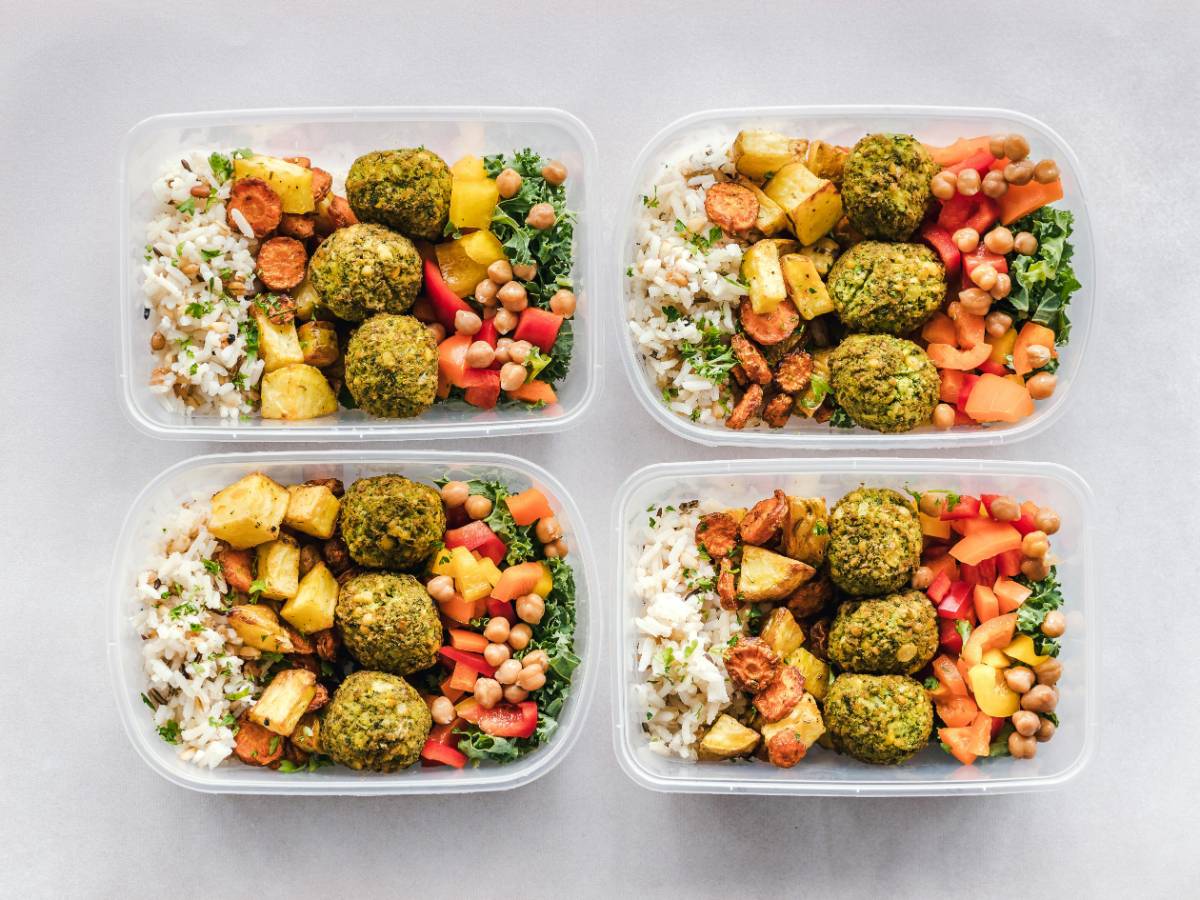
Incorporating healthy foods into your pre- and post-workout meals is crucial for optimizing performance, enhancing recovery, and supporting overall fitness goals. The right nutrients can provide energy, improve endurance, and aid in muscle repair. Here’s a guide on how to effectively include healthy foods in your workout meals to maximize their benefits.
3 min read | 12 Apr 2025
The Best Skincare Practices for Active Individuals
For active individuals, maintaining healthy skin can be challenging due to frequent sweat, exposure to the elements, and the physical demands of a rigorous lifestyle. Adopting effective skincare practices is crucial to protect and nourish your skin while staying active. Here are some of the best skincare practices tailored for those who lead an active lifestyle.

3 min read | 11 Apr 2025
Top 10 Healthy Eating Habits for Weight Loss and Fitness
Adopting healthy eating habits is crucial for achieving weight loss and fitness goals. A well-balanced diet not only supports weight management but also enhances overall health and performance. Here are the top 10 healthy eating habits to help you stay on track with your weight loss and fitness journey.
RECENT POSTS
1
How to Adjust Your Workout Routine for Different Fitness Levels
3 min read | 09 Apr 20252
Sample Weekly Workout Routines for Different Fitness Goals
4 min read | 08 Apr 20253
The Importance of Rest and Recovery in Your Workout Routine
2 min read | 07 Apr 20254
Creating a Workout Routine for Weight Loss and Toning
5 min read | 15 Apr 20255
Strength Training vs. Cardio: Finding the Right Balance
5 min read | 14 Apr 20256
How to Incorporate Stretching into Your Workout Routine
3 min read | 13 Apr 2025MORE POSTS

The Science Behind HIIT and Its Benefits
3 min read | 19 Feb 2025
How to Incorporate HIIT into Your Existing Workout Routine
2 min read | 18 Feb 2025
HIIT Workouts for Burning Fat Quickly
5 min read | 17 Feb 2025
Creating a Beginner-Friendly HIIT Routine
4 min read | 16 Feb 2025
What is HIIT and Why is it Effective?
5 min read | 15 Feb 2025