Why Balance Training is Crucial for Fitness

 By Aditi Sharma |
 5 min read
|17 Mar 2025Balance training is an often overlooked but essential component of a comprehensive fitness routine. It improves stability, coordination, and overall functional strength, which are crucial for maintaining physical health and preventing injuries. This article explores the importance of balance training and how it contributes to overall fitness.

The Benefits of Balance Training
Balance training offers several key benefits that enhance overall fitness and well-being:
Injury Prevention: Improving balance helps prevent falls and injuries, especially in older adults and athletes. By strengthening stabilizing muscles and improving coordination, balance training reduces the risk of accidents and injuries.
Enhanced Stability: A well-developed sense of balance supports stability during various physical activities, from everyday movements to complex exercises. This stability translates to better performance in sports and daily tasks.

Improved Posture: Balance training helps develop core strength and body awareness, which contributes to better posture. Good posture reduces the risk of back pain and other musculoskeletal issues.
Increased Functional Strength: Balance exercises engage multiple muscle groups simultaneously, enhancing overall functional strength and stability. This increased strength supports better performance in a wide range of physical activities.
Core Exercises for Balance

Incorporating balance-focused exercises into your routine can improve your stability and functional strength. Here are some effective balance exercises:
Single-Leg Stands: Stand on one leg and hold the position for as long as possible. To increase the challenge, try closing your eyes or standing on an unstable surface, such as a balance pad.

BOSU Ball Squats: Perform squats on a BOSU ball to engage stabilizing muscles and enhance balance. The unstable surface forces your body to work harder to maintain stability.
Standing Balance Reach: Stand on one leg and reach forward with the opposite arm, then return to the starting position. This exercise improves balance and coordination while engaging the core.
Tips for Effective Balance Training

To maximize the benefits of balance training, consider the following tips:
Consistency is Key: Incorporate balance exercises into your regular workout routine to see consistent improvements over time.

Progress Gradually: Start with basic exercises and gradually increase the difficulty by adding unstable surfaces or incorporating weights.
Focus on Form: Proper form is essential for effective balance training. Ensure that you are performing exercises with good technique to avoid injuries and maximize benefits.
Combine with Other Training: Integrate balance exercises with strength training, cardiovascular workouts, and flexibility training for a well-rounded fitness program.
Conclusion
Balance training is a crucial element of overall fitness that enhances stability, coordination, and functional strength. By incorporating balance-focused exercises into your routine, you can improve your performance, prevent injuries, and support better overall health. Make balance training a regular part of your fitness regimen to reap the numerous benefits it offers.

Trending Around the Web
About the Author
Aditi Sharma
Aditi Sharma is a passionate health and wellness advocate, with a deep understanding of the challenges modern parents face. With a focus on holistic well-being, Aditi Sharma aims to empower mothers and families with practical tips, science-backed advice, and inspiring stories to promote a healthy lifestyle. Whether it's nutrition, fitness, mental health, or parenting, Aditi Sharma is committed to making health and wellness approachable and accessible for every SuperMoomy reader.
MORE ARTICLES

3 min read | 20 Jan 2025
How to Read Nutrition Labels Effectively
Reading nutrition labels is an essential skill for making informed food choices and maintaining a healthy diet. Nutrition labels provide valuable information about the contents of packaged foods, helping you understand their nutritional value and make better decisions about what to eat. In this article, we’ll break down how to read nutrition labels effectively, so you can make healthier choices and better manage your diet.

2 min read | 19 Jan 2025
The Benefits of Meal Prepping for Weight Loss
Meal prepping has become a popular strategy for individuals seeking to lose weight and maintain a healthy lifestyle. By preparing meals in advance, you can streamline your eating habits, control portion sizes, and make healthier choices. In this article, we'll explore the benefits of meal prepping for weight loss and offer practical tips to help you get started.

5 min read | 18 Jan 2025
Low-Carb vs. Low-Fat Diets: What Works Best?
When it comes to choosing a diet for weight loss or overall health, low-carb and low-fat diets are two of the most popular options. Each approach has its own set of benefits and potential drawbacks. In this article, we will explore the differences between low-carb and low-fat diets, their effectiveness, and which might work best for your goals.

4 min read | 17 Jan 2025
The Role of Fiber in Weight Management
Fiber is often lauded for its role in promoting digestive health, but its impact on weight management is equally significant. Incorporating fiber into your diet can be a powerful tool for achieving and maintaining a healthy weight. Here's a detailed look at how fiber contributes to weight management and how you can leverage its benefits.

4 min read | 16 Jan 2025
Understanding Macronutrients and Micronutrients for Weight Loss
When it comes to weight loss, understanding macronutrients and micronutrients is crucial for creating an effective and sustainable plan. Both types of nutrients play distinct yet complementary roles in supporting your body’s functions and achieving your weight loss goals. Here’s a comprehensive guide to help you understand how they contribute to your weight management efforts.
4 min read | 16 Apr 2025
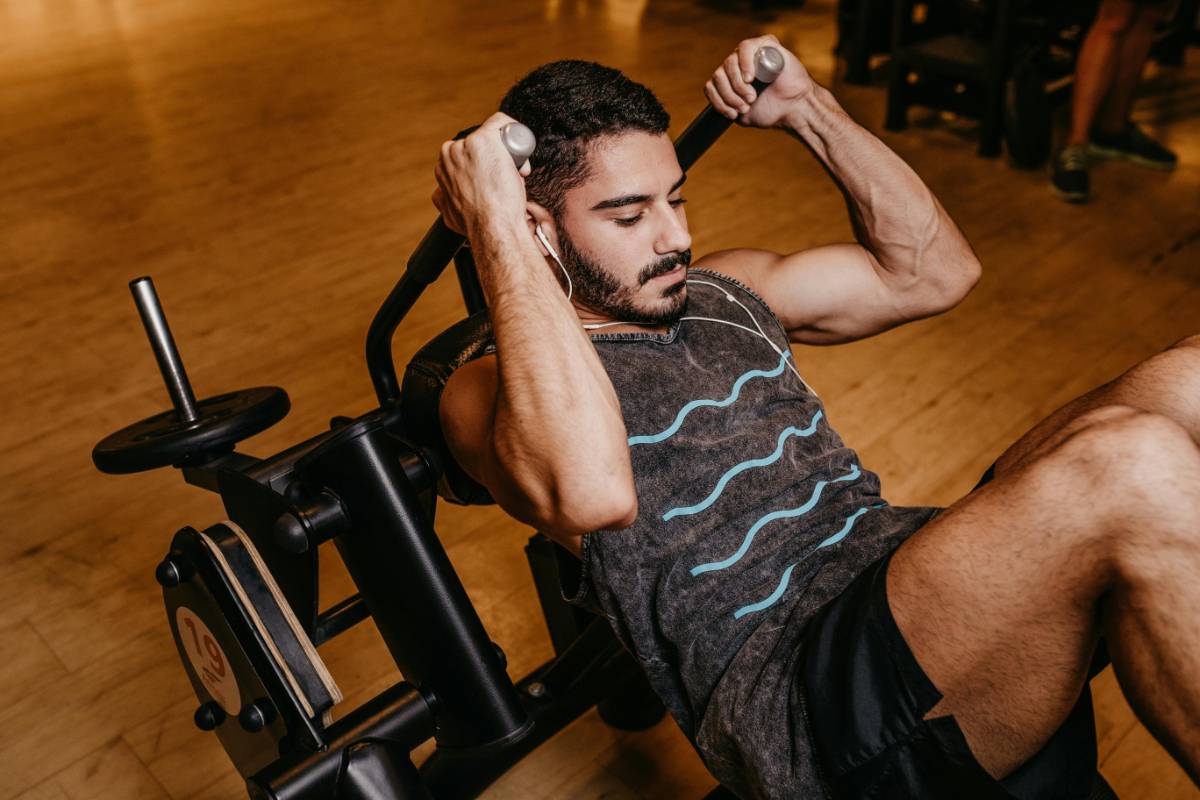
The Role of Nutrition in Supporting Your Workout Routine
Nutrition plays a crucial role in supporting your workout routine and enhancing your overall fitness. Proper nutrition not only fuels your workouts but also aids in recovery, muscle growth, and overall health. Understanding the relationship between nutrition and exercise can help you optimize your performance and achieve your fitness goals. Here’s a comprehensive guide on how to align your nutrition with your workout routine.
RECENT POSTS
1
How to Overcome Weight Loss Plateaus
2 min read | 25 Mar 20252
The Role of Protein in Weight Loss
2 min read | 24 Mar 20253
Healthy Swaps: Small Changes for Big Weight Loss Results
5 min read | 23 Mar 20254
How to Avoid Common Weight Loss Mistakes
5 min read | 22 Mar 20255
Understanding Calorie Deficit and Its Role in Weight Loss
2 min read | 21 Mar 20256
The Importance of Sleep in Weight Loss
2 min read | 20 Mar 2025MORE POSTS

The Link Between Sleep and Weight Loss
3 min read | 05 Feb 2025
Outdoor vs. Indoor Workouts: Which is Better?
3 min read | 04 Feb 2025
How to Incorporate Walking into Your Daily Routine
3 min read | 03 Feb 2025
The Role of Rest and Recovery in Fitness
5 min read | 02 Feb 2025
How to Stay Motivated to Exercise Regularly
4 min read | 01 Feb 2025