Whole Grains vs. Refined Grains: What’s the Difference?
 By Lewis Adam |
 4 min read
|03 Feb 2025Grains are a fundamental part of many diets around the world, providing a significant source of energy and essential nutrients. However, not all grains are created equal. Whole grains and refined grains differ significantly in their nutritional value and health benefits. Understanding these differences can help you make more informed dietary choices. In this article, we will explore what whole grains and refined grains are, their differences, and the impact they have on your health.

What Are Whole Grains?
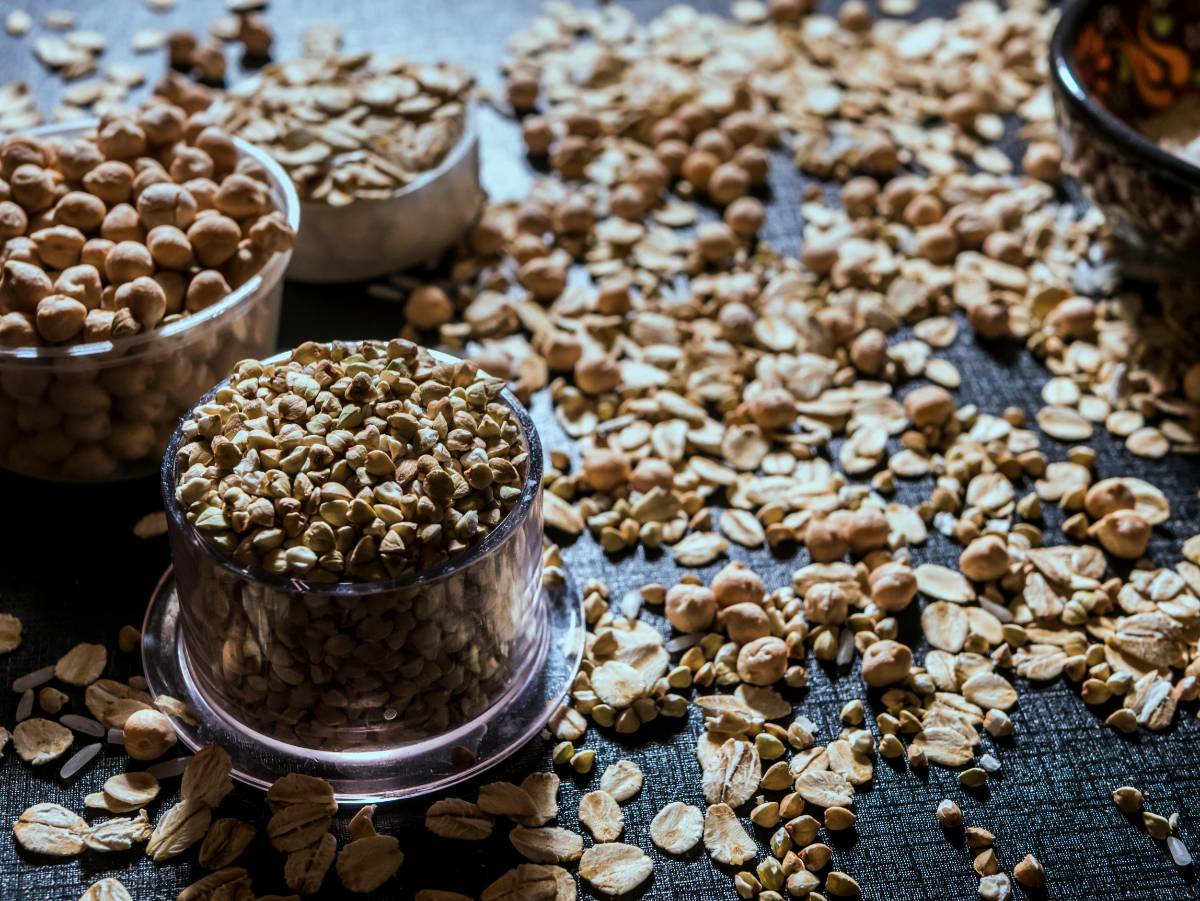
Whole grains are grains that contain all three parts of the grain kernel: the bran, germ, and endosperm. Each of these parts contributes to the grain's nutritional profile:
Bran: The outer layer of the grain, which is rich in fiber, B vitamins, and antioxidants. The bran helps promote healthy digestion and may reduce the risk of chronic diseases.
Germ: The innermost part of the grain, which contains essential fatty acids, vitamins, and minerals. The germ is the nutrient-rich core that supports growth and development.

Endosperm: The middle layer, which provides carbohydrates and a small amount of protein. The endosperm is the primary energy source in the grain.
Whole grains include foods such as brown rice, quinoa, oats, whole wheat, barley, and bulgur. These grains are less processed and retain more of their natural nutrients compared to refined grains.
What Are Refined Grains?
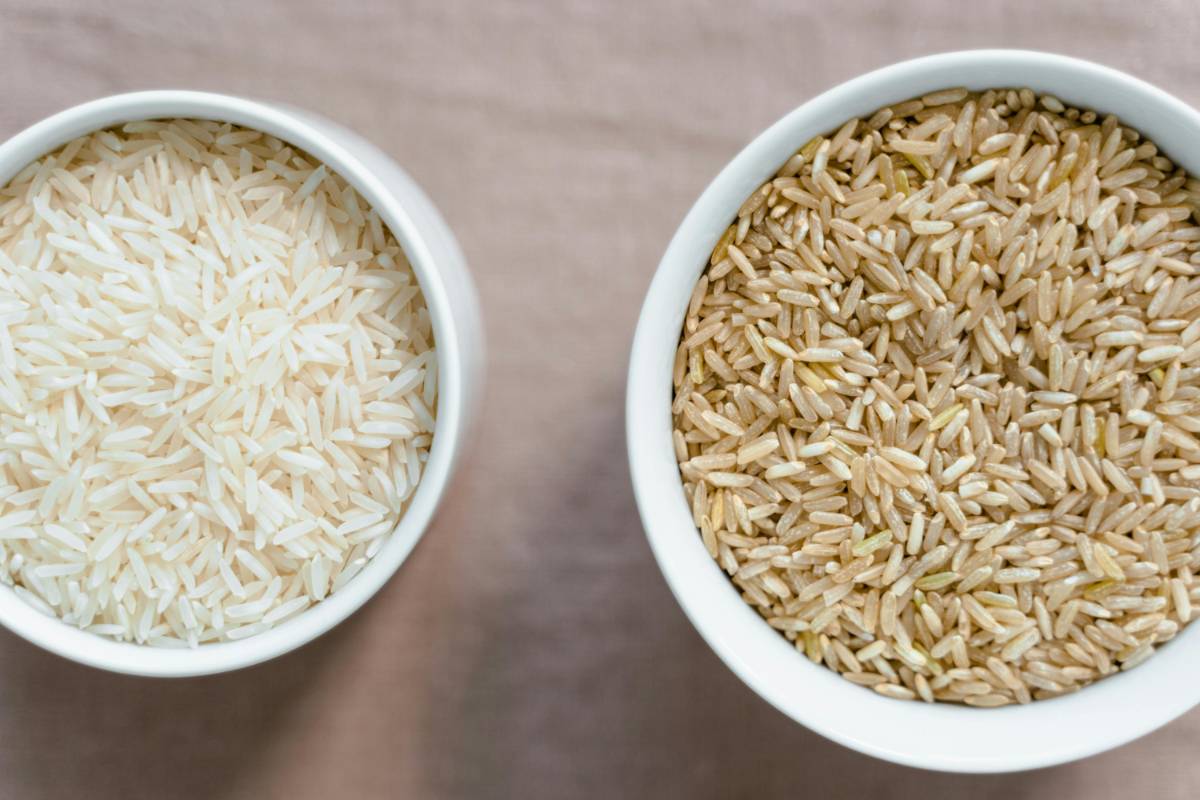
Refined grains have been processed to remove the bran and germ, leaving only the starchy endosperm. This processing improves the grain's texture and shelf life but also strips away many of its nutrients. Refined grains are often enriched with some vitamins and minerals, but they lack the full range of nutrients found in whole grains.
Common refined grains include white rice, white bread, and many types of pasta. These products are made from refined flours and have a finer texture compared to their whole grain counterparts.

Differences Between Whole Grains and Refined Grains
The key differences between whole grains and refined grains lie in their nutritional content and health benefits:
Nutritional Value: Whole grains are richer in nutrients compared to refined grains. They contain more fiber, which aids in digestion, helps maintain healthy blood sugar levels, and promotes a feeling of fullness. Whole grains also provide essential vitamins and minerals that are often lost during the refining process.
Digestive Health: The high fiber content in whole grains supports healthy digestion and regular bowel movements. Fiber helps prevent constipation and may reduce the risk of gastrointestinal disorders. Refined grains, on the other hand, have lower fiber content and can contribute to digestive issues.
Blood Sugar Control: Whole grains have a lower glycemic index compared to refined grains, meaning they have a slower impact on blood sugar levels. This can help manage blood sugar levels and reduce the risk of type 2 diabetes. Refined grains can cause rapid spikes in blood sugar, which may lead to insulin resistance and other metabolic problems.

Heart Health: Whole grains have been associated with a reduced risk of heart disease. The fiber, antioxidants, and healthy fats found in whole grains can help lower cholesterol levels and improve cardiovascular health. Refined grains, due to their lower fiber content and higher glycemic index, are less beneficial for heart health.
Weight Management: Incorporating whole grains into your diet can aid in weight management. The fiber in whole grains helps you feel full longer, reducing the likelihood of overeating. Refined grains, with their lower fiber content, may lead to increased hunger and calorie consumption.
Choosing Whole Grains Over Refined Grains
To maximize the health benefits of grains, consider making the following changes to your diet:
Opt for Whole Grain Alternatives: Replace refined grains with whole grain options whenever possible. Choose brown rice over white rice, whole wheat bread instead of white bread, and whole grain pasta instead of regular pasta.

Read Labels: Check food labels for whole grain ingredients. Look for terms like “whole wheat,” “brown rice,” “quinoa,” or “oats” to ensure you are choosing whole grain products.
Incorporate Variety: Include a variety of whole grains in your diet to get a range of nutrients and flavors. Experiment with grains like quinoa, barley, farro, and bulgur to add diversity to your meals.
Make Whole Grains a Staple: Incorporate whole grains into your daily meals by adding them to salads, soups, and side dishes. Use whole grain flour in baking and try making your own whole grain bread or muffins.
In Conclusion
Understanding the differences between whole grains and refined grains is crucial for making informed dietary choices that support your health and well-being. Whole grains offer a wealth of nutrients, fiber, and health benefits that are often lost in refined grains. By incorporating more whole grains into your diet and reducing your consumption of refined grains, you can improve digestive health, manage blood sugar levels, support heart health, and aid in weight management. Embrace the variety and benefits of whole grains to enhance your overall nutrition and enjoy a healthier lifestyle.
Trending Around the Web
About the Author
Lewis Adam
Lewis Adam is a passionate health and wellness advocate, with a deep understanding of the challenges modern parents face. With a focus on holistic well-being, Lewis Adam aims to empower mothers and families with practical tips, science-backed advice, and inspiring stories to promote a healthy lifestyle. Whether it's nutrition, fitness, mental health, or parenting, Lewis Adam is committed to making health and wellness approachable and accessible for every SuperMoomy reader.
MORE ARTICLES

5 min read | 08 Apr 2025
How to Build a Self-Care Routine That Works
Building a self-care routine is essential for maintaining your physical, mental, and emotional well-being. However, with busy schedules and daily responsibilities, it can be challenging to make time for self-care. Creating a routine that works for you and is sustainable in the long term is key to truly benefiting from it. Here’s how you can build a self-care routine that supports your overall wellness and fits into your lifestyle.

3 min read | 07 Apr 2025
Natural Remedies for Glowing Skin
Achieving glowing, radiant skin doesn’t always require expensive products or treatments. Many natural remedies can help you enhance your skin’s health and appearance. From ingredients you likely have in your kitchen to simple lifestyle changes, there are plenty of ways to nourish your skin naturally. Here’s a guide to some of the best natural remedies for glowing skin that you can incorporate into your daily routine.

5 min read | 06 Apr 2025
The Ultimate Skincare Routine for Every Skin Type
A good skincare routine is essential for maintaining healthy, glowing skin. However, with so many products and techniques available, it can be challenging to know where to start, especially since every skin type has unique needs. Whether you have oily, dry, combination, or sensitive skin, following a tailored skincare routine can help address specific concerns while keeping your skin balanced and radiant. Here’s a comprehensive guide to building the ultimate skincare routine for every skin type.

5 min read | 05 Apr 2025
How to Prevent Ingrown Hairs After Shaving
Ingrown hairs can be an uncomfortable and unsightly result of shaving. They occur when hair grows back into the skin rather than outward, leading to bumps, redness, and irritation. Preventing ingrown hairs requires a combination of proper shaving techniques, skincare practices, and post-shave care. In this article, we’ll explore effective strategies to minimize the risk of ingrown hairs and keep your skin smooth and irritation-free.

5 min read | 04 Apr 2025
Best Practices for Trimming Facial Hair
Trimming facial hair is an essential aspect of maintaining a well-groomed appearance. Whether you prefer a clean shave, a well-defined beard, or a mustache, following best practices ensures your facial hair looks neat and styled. In this guide, we’ll cover the key practices for trimming facial hair to achieve a polished and professional look.

2 min read | 03 Apr 2025
How to Maintain a Polished Look
Maintaining a polished look involves more than just a well-chosen outfit. It’s about consistently presenting yourself in a way that reflects attention to detail, grooming, and personal care. Whether you’re heading to a professional setting or a social event, these tips will help you achieve and maintain a sophisticated appearance.
RECENT POSTS
1
Common Functional Training Exercises and Their Benefits
4 min read | 06 Mar 20252
How to Progress Your Functional Training Routine
5 min read | 05 Mar 20253
The Role of Stability in Functional Training
5 min read | 04 Mar 20254
Functional Training Exercises for Core Strength
3 min read | 03 Mar 20255
Incorporating Balance Exercises into Functional Training
4 min read | 02 Mar 20256
Using Medicine Balls in Functional Training
2 min read | 01 Mar 2025MORE POSTS

How to Choose the Right Shampoo for Your Hair Type
5 min read | 27 Jan 2025
The Role of Serums in Skincare
2 min read | 26 Jan 2025
How to Exfoliate Your Skin Safely
2 min read | 25 Jan 2025
Best Ingredients for Hydrating Dry Skin
2 min read | 24 Jan 2025Best Ingredients for Hydrating Dry Skin
2 min read | 23 Jan 2025