Effective Strength Training Routines for Women
 By Neha Jain |
 5 min read
|21 Jan 2025Strength training is a vital component of a well-rounded fitness routine, and it's beneficial for women of all ages and fitness levels. Effective strength training routines can help build muscle, improve bone density, boost metabolism, and enhance overall health. In this article, we’ll explore various strength training routines designed specifically for women, including key exercises, workout splits, and tips for maximizing results.

Understanding Strength Training for Women
Strength training involves using resistance to build and tone muscles, improve strength, and enhance overall fitness. For women, strength training can be especially effective in addressing common fitness goals such as increasing muscle tone, enhancing core strength, and improving overall body composition. It’s important to recognize that strength training is not just about lifting heavy weights; it encompasses a variety of exercises and techniques that can be tailored to individual needs and goals.
Key Exercises for Women
When designing a strength training routine, incorporating a mix of compound and isolation exercises ensures a balanced approach. Here are some key exercises to consider:

Squats: Squats are a fundamental lower body exercise that targets the quadriceps, hamstrings, and glutes. They can be performed with body weight or with added resistance using dumbbells or barbells.
Deadlifts: Deadlifts are a powerful compound movement that works the entire posterior chain, including the hamstrings, glutes, and lower back. This exercise helps build strength and stability in the lower body.
Lunges: Lunges are another excellent lower body exercise that targets the quads, hamstrings, and glutes. They can be performed with body weight or with added resistance and can be varied with forward, reverse, or lateral lunges.

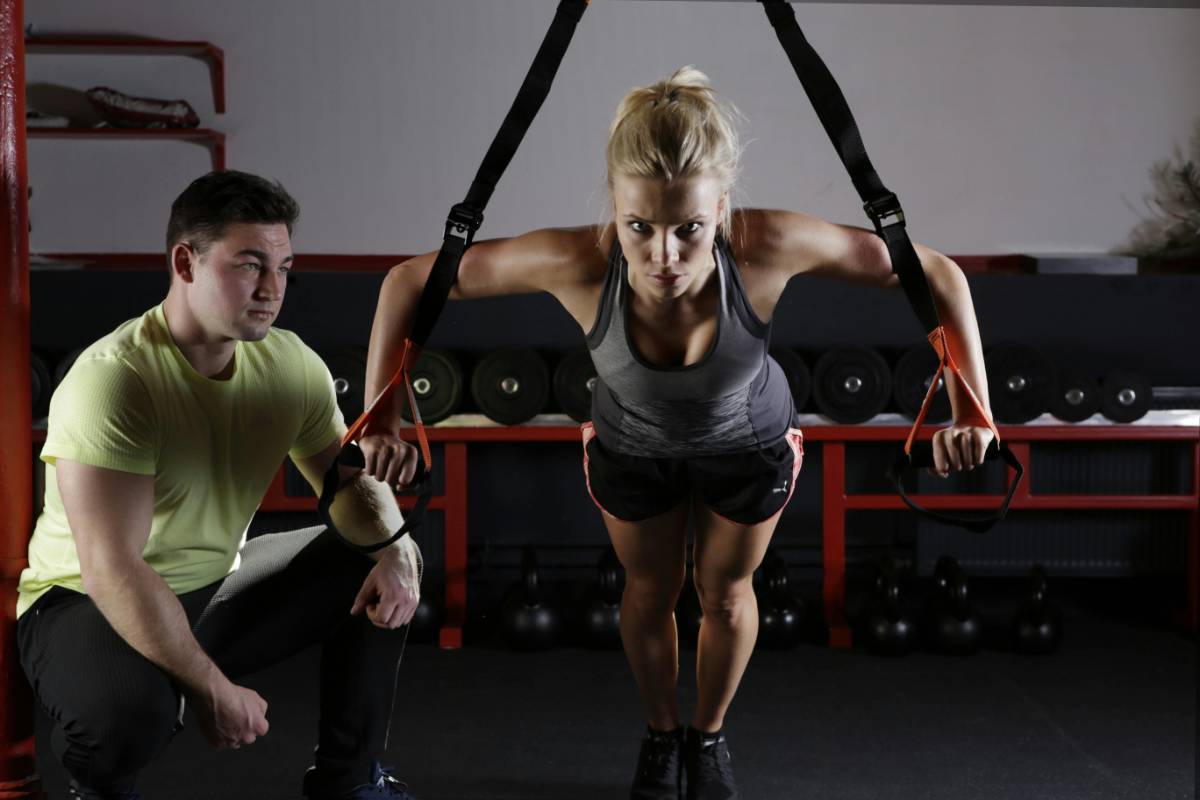
Push-Ups: Push-ups are a versatile upper body exercise that works the chest, shoulders, and triceps. They can be modified to suit different fitness levels by adjusting hand placement or performing them on the knees.
Dumbbell Rows: Dumbbell rows are an effective back exercise that targets the upper back and biceps. They can be performed using a bench or standing, and can be varied with single-arm or double-arm rows.

Planks: Planks are a core-strengthening exercise that targets the abdominal muscles, obliques, and lower back. They can be performed in various positions, including forearm and side planks, to challenge different areas of the core.
Designing a Balanced Routine
A well-rounded strength training routine for women should include exercises that target all major muscle groups. Here’s a sample weekly workout split:

Upper Body Workout: Focus on exercises such as push-ups, dumbbell rows, shoulder presses, and bicep curls. Aim for 3-4 sets of 8-12 reps per exercise.
Lower Body Workout: Incorporate squats, deadlifts, lunges, and calf raises. Perform 3-4 sets of 10-15 reps for each exercise.

Full Body Workout: Combine upper and lower body exercises, including compound movements like squats, deadlifts, and push-ups. Perform 2-3 sets of 12-15 reps for each exercise.
Core Workout: Focus on exercises like planks, Russian twists, and bicycle crunches. Aim for 3 sets of 15-20 reps or 30-60 seconds per exercise.
Tips for Maximizing Results
To make the most of your strength training routine, consider these tips:
Progressive Overload: Gradually increase the weight or resistance used in your exercises to continue challenging your muscles and promote growth.

Proper Form: Ensure you use correct form and technique to prevent injuries and maximize the effectiveness of each exercise.
Variety: Incorporate a variety of exercises and workout routines to target different muscle groups and avoid plateaus.
Rest and Recovery: Allow adequate time for recovery between workouts to prevent overtraining and support muscle repair and growth.
Nutrition: Fuel your body with a balanced diet that includes protein, healthy fats, and complex carbohydrates to support muscle growth and overall health.
Consistency: Stick to your routine and stay committed to your fitness goals. Regular exercise is key to achieving and maintaining results.
Common Mistakes to Avoid
When starting a strength training routine, avoid these common mistakes:
Neglecting Warm-Ups: Always include a proper warm-up before starting your workout to prepare your muscles and reduce the risk of injury.
Overtraining: Avoid working the same muscle groups on consecutive days. Allow time for rest and recovery to prevent overtraining and injuries.
Ignoring Strength and Flexibility: While strength training is important, don’t neglect flexibility and mobility exercises. Incorporate stretching or yoga to improve overall flexibility and prevent injuries.
Setting Unrealistic Goals: Set achievable and realistic goals to stay motivated and track your progress. Avoid setting goals that are too ambitious or unattainable.
Final Thoughts
Effective strength training routines for women can lead to significant improvements in muscle tone, strength, and overall health. By incorporating key exercises, designing a balanced routine, and following tips for maximizing results, you can achieve your fitness goals and enjoy the benefits of a well-rounded strength training program. Remember to stay consistent, listen to your body, and make adjustments as needed to continue progressing and reaching your full potential.
Trending Around the Web
About the Author
Neha Jain
Neha Jain is a passionate health and wellness advocate, with a deep understanding of the challenges modern parents face. With a focus on holistic well-being, Neha Jain aims to empower mothers and families with practical tips, science-backed advice, and inspiring stories to promote a healthy lifestyle. Whether it's nutrition, fitness, mental health, or parenting, Neha Jain is committed to making health and wellness approachable and accessible for every SuperMoomy reader.
MORE ARTICLES
5 min read | 02 Mar 2025
The Role of Electrolytes in Hydration
Hydration is more than just drinking water; it involves maintaining the right balance of fluids and electrolytes in your body. Electrolytes are minerals that carry an electric charge and are vital for various bodily functions. They include sodium, potassium, calcium, magnesium, chloride, and phosphate, all of which play crucial roles in hydration and overall health.

4 min read | 01 Mar 2025
Hydrating Foods to Include in Your Diet
Staying hydrated is essential for your overall health, and while drinking water is the most direct way to maintain hydration, incorporating hydrating foods into your diet can also be highly effective. These foods not only help keep you hydrated but also provide essential nutrients and vitamins. Here are some of the best hydrating foods to include in your diet:

5 min read | 28 Feb 2025
How to Identify and Combat Dehydration
Dehydration occurs when your body loses more fluids than it takes in, leading to a lack of sufficient water to perform its normal functions. Identifying and combating dehydration is crucial to maintaining your health and well-being. Here’s how you can recognize the signs of dehydration and take steps to prevent it:

5 min read | 27 Feb 2025
Benefits of Drinking Water Before Meals
Drinking water before meals is a simple habit with numerous health benefits. Incorporating this practice into your daily routine can positively impact your digestion, weight management, and overall well-being. Here are some of the key benefits of drinking water before meals:

6 min read | 26 Feb 2025
How Much Water Should You Drink Each Day?
Staying hydrated is essential for maintaining overall health, but how much water should you actually drink each day? The answer can vary based on factors such as age, weight, activity level, and climate. Here's a guide to help you understand your daily water needs and ensure you stay properly hydrated:

4 min read | 25 Feb 2025
The Importance of Staying Hydrated for Weight Loss
Staying hydrated is essential for overall health, and it plays a significant role in weight loss as well. Proper hydration supports various bodily functions, aids digestion, and can even help control hunger. Here's why staying hydrated is crucial for weight loss:
RECENT POSTS
1
How to Choose the Right Multivitamin for Weight Management
4 min read | 09 Mar 20252
The Role of Protein Supplements in Weight Loss
4 min read | 08 Mar 20253
Popular Weight Loss Supplements: What You Need to Know
5 min read | 07 Mar 20254
Understanding the Link Between Water and Metabolism
4 min read | 06 Mar 20255
How to Increase Water Intake Throughout the Day
4 min read | 05 Mar 20256
The Impact of Caffeinated and Sugary Drinks on Hydration
6 min read | 04 Mar 2025MORE POSTS

Mindful Eating: How to Develop a Healthy Relationship with Food
2 min read | 16 Apr 2025
Incorporating More Vegetables into Your Daily Diet
5 min read | 15 Apr 2025
How to Stay Healthy During the Holidays
4 min read | 14 Apr 2025
The Health Benefits of Organic Foods
4 min read | 13 Apr 2025
Portion Control Tips to Avoid Overeating
3 min read | 12 Apr 2025