How to Start Eating Healthy on a Budget

 By Prince Matthews |
 3 min read
|07 Apr 2025Eating healthy doesn’t have to break the bank. With some planning and smart choices, you can enjoy nutritious meals without spending a fortune. Here’s a comprehensive guide to help you start eating healthy on a budget.

Plan Your Meals
Meal planning is a crucial step in eating healthy on a budget. By planning your meals ahead of time, you can make informed decisions about what to buy and avoid impulse purchases. Start by creating a weekly menu that includes a variety of meals. Consider using budget-friendly ingredients and incorporating leftovers into your plan. This will help you reduce food waste and save money.
Make a Shopping List
Once you’ve planned your meals, create a shopping list based on your menu. Stick to the list to avoid buying unnecessary items. When making your list, focus on staples such as whole grains, beans, and vegetables that are often more affordable and versatile. Shopping with a list helps you stay organized and prevents overspending.

Buy in Bulk
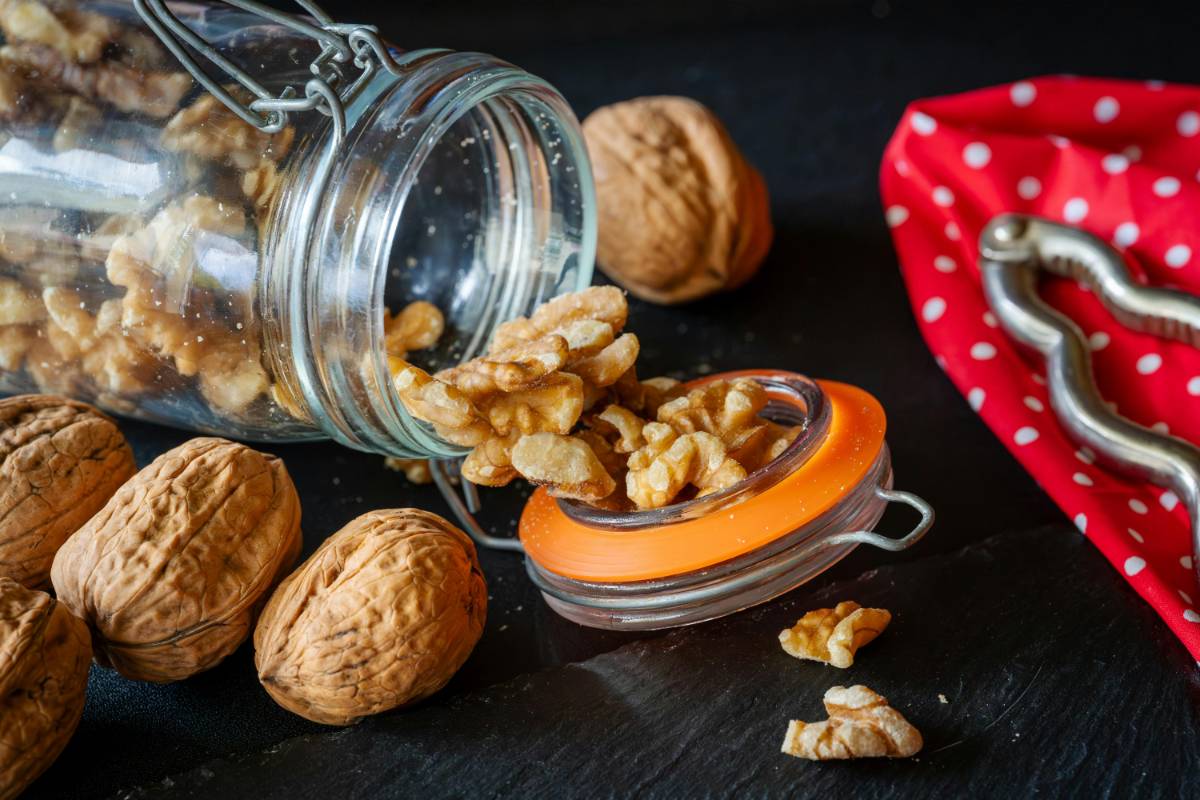
Buying in bulk can be a cost-effective way to purchase staple foods like grains, legumes, and nuts. Look for bulk bins at your local grocery store or shop at warehouse clubs for larger quantities at lower prices. Just be sure to store bulk items properly to maintain their freshness and avoid spoilage.
Choose Seasonal and Local Produce

Seasonal fruits and vegetables are often more affordable and taste better than out-of-season produce. Visit local farmers’ markets or consider joining a community-supported agriculture (CSA) program to access fresh, locally grown produce at lower prices. Seasonal produce is also more likely to be on sale, further helping you save money.
Opt for Frozen Fruits and Vegetables

Frozen fruits and vegetables can be a budget-friendly alternative to fresh produce. They are often less expensive and have a longer shelf life, reducing the risk of waste. Frozen produce is typically frozen at peak freshness, retaining most of its nutrients. Incorporate frozen options into your diet to enjoy a variety of fruits and vegetables year-round.
Cook at Home
Preparing meals at home is generally more cost-effective than eating out. Cooking at home allows you to control ingredients, portion sizes, and overall cost. Invest in a few essential kitchen tools and learn basic cooking techniques to create healthy and budget-friendly meals. Consider batch cooking and meal prepping to save time and money throughout the week.
Use Coupons and Take Advantage of Sales
Look for coupons and promotions to save money on groceries. Many grocery stores offer discounts on healthy items, and using coupons can help you reduce your grocery bill. Additionally, take advantage of sales and stock up on non-perishable items when they are on sale. Be sure to check store flyers and online deals for savings opportunities.

Incorporate Affordable Protein Sources
Protein is an essential part of a healthy diet, but it doesn’t have to be expensive. Affordable protein sources include beans, lentils, eggs, and canned tuna. These options are not only budget-friendly but also versatile and nutritious. Incorporate a variety of protein sources into your meals to ensure you’re meeting your nutritional needs.
Reduce Meat Consumption
Meat can be one of the more expensive items on your grocery list. Reducing meat consumption and focusing on plant-based proteins can help you save money. Try incorporating meatless meals into your weekly menu, using beans, lentils, tofu, and other plant-based protein sources as alternatives. Meatless meals can be both satisfying and budget-friendly.
Grow Your Own Herbs and Vegetables

Growing your own herbs and vegetables can be a fun and cost-effective way to enjoy fresh produce. Even if you have limited space, you can grow herbs like basil, parsley, and cilantro in small pots on a windowsill. Consider starting a small garden or using container gardening techniques to grow your own vegetables. This can reduce grocery expenses and provide you with fresh, homegrown ingredients.
Monitor Portion Sizes
Being mindful of portion sizes helps prevent overeating and reduces food waste. Use measuring cups and a food scale to portion out meals and snacks. Proper portion control can help you make the most of your groceries and avoid unnecessary spending. Pay attention to serving sizes and adjust them according to your nutritional needs.
By implementing these strategies, you can enjoy a healthy diet without straining your budget. Meal planning, shopping smartly, and making the most of affordable ingredients will help you maintain a nutritious diet while saving money. Eating healthy on a budget is achievable with a bit of effort and creativity, leading to better overall health and financial well-being.
Trending Around the Web
About the Author
Prince Matthews
Prince Matthews is a passionate health and wellness advocate, with a deep understanding of the challenges modern parents face. With a focus on holistic well-being, Prince Matthews aims to empower mothers and families with practical tips, science-backed advice, and inspiring stories to promote a healthy lifestyle. Whether it's nutrition, fitness, mental health, or parenting, Prince Matthews is committed to making health and wellness approachable and accessible for every SuperMoomy reader.
MORE ARTICLES

2 min read | 25 Mar 2025
How to Overcome Weight Loss Plateaus
Experiencing a weight loss plateau can be frustrating, especially when you feel like you're putting in the effort but not seeing the results you want. Weight loss plateaus are common and can occur for various reasons, but the good news is that there are strategies you can use to overcome them and continue making progress toward your goals. In this article, we'll explore the reasons behind weight loss plateaus and offer practical tips to help you break through and keep moving forward.

2 min read | 24 Mar 2025
The Role of Protein in Weight Loss
Protein is a vital macronutrient that plays a crucial role in weight loss and overall health. It is essential for building and repairing tissues, producing enzymes and hormones, and supporting immune function. Incorporating an adequate amount of protein into your diet can enhance weight loss efforts and contribute to better body composition. In this article, we’ll explore the various ways protein aids in weight loss, how much you should consume, and the best sources of protein for optimal results.

5 min read | 23 Mar 2025
Healthy Swaps: Small Changes for Big Weight Loss Results
Making small, healthy swaps in your diet can lead to significant weight loss results over time. These changes are often easier to implement and maintain than drastic diet overhauls. Here’s how making simple adjustments can help you achieve your weight loss goals and improve your overall health.

5 min read | 22 Mar 2025
How to Avoid Common Weight Loss Mistakes
Embarking on a weight loss journey can be challenging, and avoiding common mistakes is key to achieving long-term success. Understanding and addressing these pitfalls can help you stay on track and make the most of your efforts. Here’s how to avoid common weight loss mistakes and enhance your results.
2 min read | 21 Mar 2025
Understanding Calorie Deficit and Its Role in Weight Loss
A calorie deficit is a fundamental concept in weight loss and plays a crucial role in achieving your fitness goals. Understanding what a calorie deficit is and how it works can help you create an effective weight loss strategy. Here’s a detailed look at calorie deficit and its importance in weight loss.

2 min read | 20 Mar 2025
The Importance of Sleep in Weight Loss
Sleep is a crucial component of overall health and plays a significant role in weight loss. While diet and exercise are often emphasized, getting adequate rest is equally important for achieving and maintaining a healthy weight. Here’s why sleep is essential for weight loss and how it affects your journey.
RECENT POSTS
1
Effective Strategies for Sustainable Weight Loss
3 min read | 06 Apr 20252
Evaluating and Adjusting Your Weight Loss Plan Based on Tracking Data
5 min read | 05 Apr 20253
How to Use Graphs and Charts to Visualize Your Progress
6 min read | 04 Apr 20254
Using Technology to Monitor Dietary Intake
6 min read | 03 Apr 20255
The Importance of Regular Weigh-Ins
6 min read | 02 Apr 20256
How to Interpret Data from Fitness Trackers
6 min read | 01 Apr 2025MORE POSTS

The Role of Fiber in Managing Blood Sugar Levels
4 min read | 20 Feb 2025
How to Increase Fiber Intake Without Overdoing It
4 min read | 19 Feb 2025
Top Fiber-Rich Foods to Add to Your Diet
4 min read | 18 Feb 2025
The Benefits of Dietary Fiber for Digestive Health
2 min read | 17 Feb 2025
The Impact of Caffeine and Alcohol on Hydration
3 min read | 16 Feb 2025