The Importance of Core Strength in Fitness
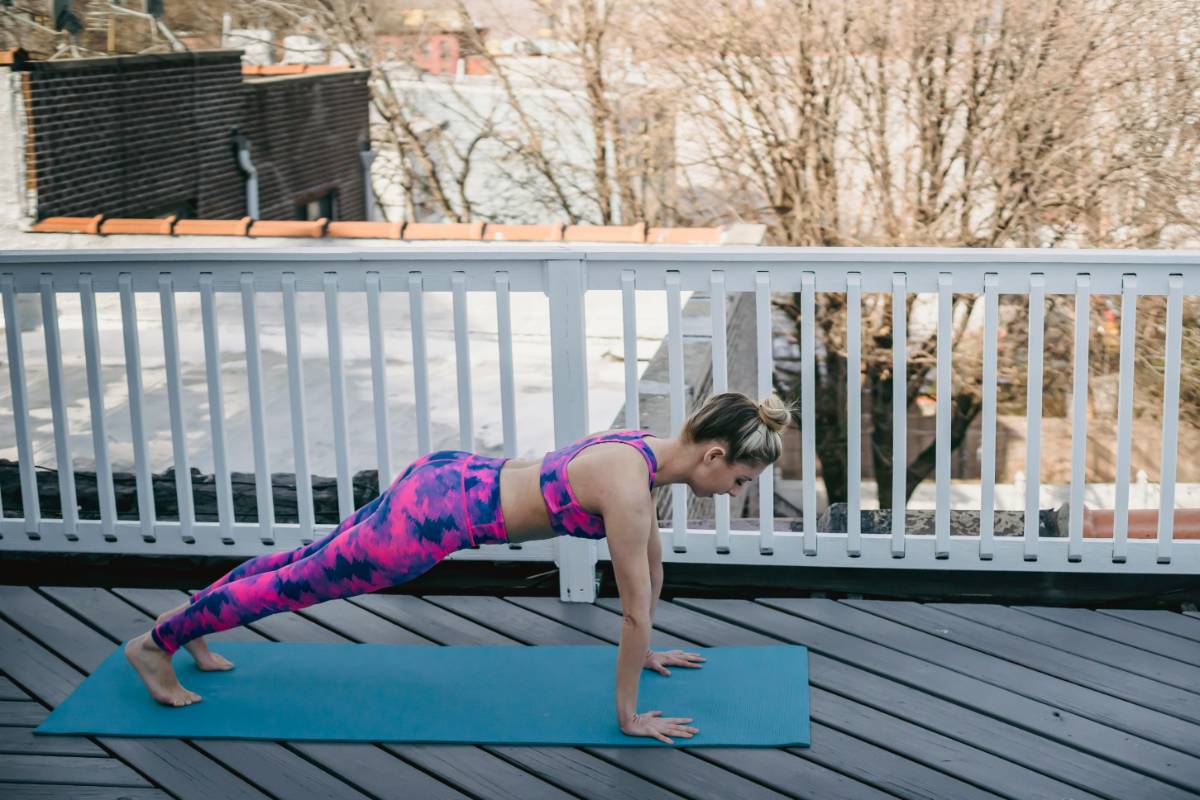
 By Lewis Adam |
 3 min read
|07 Mar 2025Core strength is a fundamental component of overall fitness that plays a crucial role in both athletic performance and everyday activities. A strong core enhances stability, balance, and power, making it essential for a well-rounded fitness regimen. In this article, we’ll explore the importance of core strength, its benefits, and effective exercises to build a robust core.

Understanding Core Strength
The core refers to the muscles in your abdomen, lower back, hips, and pelvis. These muscles work together to support and stabilize your spine, allowing you to maintain proper posture and execute movements efficiently. Core strength is not just about having a six-pack; it involves the entire core musculature working in unison.
Benefits of Core Strength
Developing core strength offers several advantages:

Improved Posture: A strong core supports your spine and helps maintain proper alignment, reducing the risk of poor posture and back pain.
Enhanced Balance and Stability: Core strength is crucial for maintaining balance and stability during dynamic movements and static holds.
Better Athletic Performance: A powerful core enhances your ability to generate force and power, improving performance in sports and physical activities.

Injury Prevention: Strengthening your core helps protect your lower back and reduces the risk of injuries related to poor posture or weak stabilizing muscles.
Effective Core Strength Exercises
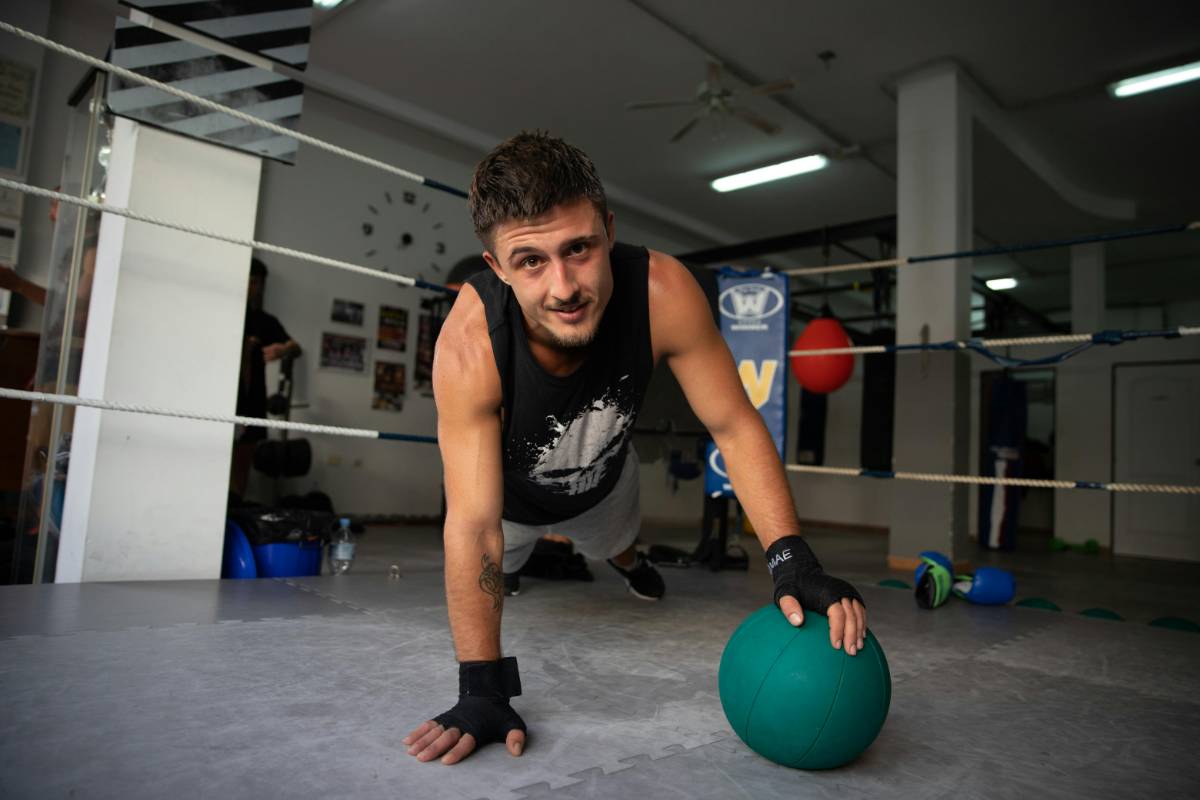
Here are some effective exercises to build core strength:
Planks
Planks are a fundamental core exercise that engages the entire abdominal region along with the shoulders, back, and legs.

How to Perform:
Start in a forearm plank position with your body in a straight line from head to heels. Hold this position for 30-60 seconds, keeping your core engaged and your hips level. Variations include side planks and plank with leg lifts.

Benefits:
Strengthens the entire core, improves overall stability, and supports functional movements.
Russian Twists
Russian twists target the oblique muscles and improve rotational strength.
How to Perform:

Sit on the floor with your knees bent and feet elevated. Lean back slightly and hold a weight or medicine ball. Twist your torso to one side, then return to the center and twist to the other side. Repeat for a set number of reps.
Benefits:
Enhances rotational strength, targets the oblique muscles, and improves core stability.
Dead Bugs
Dead bugs are an effective exercise for developing core stability and coordination.
How to Perform:
Lie on your back with your arms extended towards the ceiling and your knees bent at a 90-degree angle. Slowly lower one arm and the opposite leg towards the floor while keeping your lower back pressed into the ground. Return to the starting position and repeat with the other arm and leg.
Benefits:
Improves core stability, enhances coordination, and strengthens the entire abdominal region.
Bicycle Crunches
Bicycle crunches are a dynamic exercise that targets the rectus abdominis and oblique muscles.
How to Perform:
Lie on your back with your hands behind your head and your legs lifted. Bring one knee towards your chest while simultaneously twisting your torso to bring your opposite elbow towards the knee. Alternate sides in a pedaling motion.
Benefits:
Engages the rectus abdominis and obliques, improves rotational strength, and enhances core endurance.
Leg Raises
Leg raises are a great exercise for targeting the lower abdominal muscles.
How to Perform:
Lie on your back with your legs extended and your arms at your sides. Lift your legs towards the ceiling while keeping them straight, then slowly lower them back down without touching the floor. Repeat for a set number of reps.
Benefits:
Strengthens the lower abs, improves core stability, and enhances overall abdominal strength.
Incorporating Core Exercises into Your Routine
When adding core exercises to your fitness routine, consider the following tips:
Consistency: Incorporate core exercises into your routine 2-3 times per week to build and maintain strength.
Variety: Include a mix of exercises that target different areas of the core for balanced development.
Progression: Gradually increase the difficulty of your core exercises by adding resistance, increasing duration, or trying more challenging variations.
Proper Form: Ensure correct form to maximize effectiveness and reduce the risk of injury.
Conclusion
Core strength is a vital aspect of overall fitness that enhances posture, balance, and athletic performance. By incorporating exercises such as planks, Russian twists, dead bugs, bicycle crunches, and leg raises into your routine, you can build a strong and stable core. Focus on consistency, variety, progression, and proper form to achieve the best results and support your overall fitness goals.
Trending Around the Web
About the Author
Lewis Adam
Lewis Adam is a passionate health and wellness advocate, with a deep understanding of the challenges modern parents face. With a focus on holistic well-being, Lewis Adam aims to empower mothers and families with practical tips, science-backed advice, and inspiring stories to promote a healthy lifestyle. Whether it's nutrition, fitness, mental health, or parenting, Lewis Adam is committed to making health and wellness approachable and accessible for every SuperMoomy reader.
MORE ARTICLES

3 min read | 12 Apr 2025
The Benefits of Intermittent Fasting for Weight Management
Intermittent fasting has gained popularity as an effective approach to weight management and overall health. This dietary strategy involves alternating periods of eating and fasting, which can offer several benefits for weight control. Here’s an overview of how intermittent fasting can support your weight management goals.

4 min read | 11 Apr 2025
How to Incorporate More Vegetables into Your Diet for Weight Loss
Incorporating more vegetables into your diet is a great way to support weight loss and improve overall health. Vegetables are low in calories, high in nutrients, and provide essential fiber to keep you feeling full. Here’s how you can easily add more vegetables to your meals and make them a central part of your weight loss strategy.

5 min read | 10 Apr 2025
Top 10 Weight Loss Myths Debunked
Weight loss can be a complex journey, often surrounded by myths and misconceptions. Understanding the truth behind common weight loss myths can help you make informed decisions and avoid pitfalls. Here are ten prevalent weight loss myths debunked.

5 min read | 09 Apr 2025
Mindful Eating: How to Avoid Overeating
Mindful eating is a practice that involves paying full attention to the experience of eating and drinking. It encourages being present during meals, which can help you avoid overeating and develop a healthier relationship with food. Here’s how mindful eating can help you manage portion sizes and prevent overeating.

5 min read | 08 Apr 2025
The Role of Exercise in Achieving Your Weight Loss Goals
Exercise plays a crucial role in achieving weight loss goals by boosting metabolism, burning calories, and improving overall health. Incorporating regular physical activity into your routine can enhance your weight loss efforts and contribute to long-term success. Here’s how exercise supports weight loss and how to effectively integrate it into your lifestyle.

5 min read | 07 Apr 2025
How to Create a Balanced Diet Plan for Weight Loss
Creating a balanced diet plan for weight loss involves incorporating a variety of nutrient-dense foods while maintaining a caloric deficit. A well-rounded diet plan not only helps in shedding pounds but also ensures you receive essential nutrients for overall health. Here’s how to create a balanced diet plan that supports effective and sustainable weight loss.
RECENT POSTS
1
Effective Core Workouts for Strength and Stability
4 min read | 13 Apr 20252
How to Include Functional Training in Your Fitness Regimen
3 min read | 12 Apr 20253
The Benefits of Compound Exercises in Your Workout Routine
2 min read | 11 Apr 20254
Tips for Staying Motivated with Your Workout Routine
5 min read | 10 Apr 20255
How to Adjust Your Workout Routine for Different Fitness Levels
3 min read | 09 Apr 20256
Sample Weekly Workout Routines for Different Fitness Goals
4 min read | 08 Apr 2025MORE POSTS
How to Create a Balanced Workout Routine for Overall Fitness
2 min read | 07 Apr 2025
The Ultimate Full-Body Workout Routine for Beginners
2 min read | 06 Apr 2025
Combining Endurance Training with Strength Workouts for Balanced Fitness
4 min read | 05 Apr 2025
The Role of Nutrition in Endurance Training
5 min read | 04 Apr 2025
Endurance Workouts for Beginners
5 min read | 03 Apr 2025